A slow look at one of Brazil's most storied hill towns

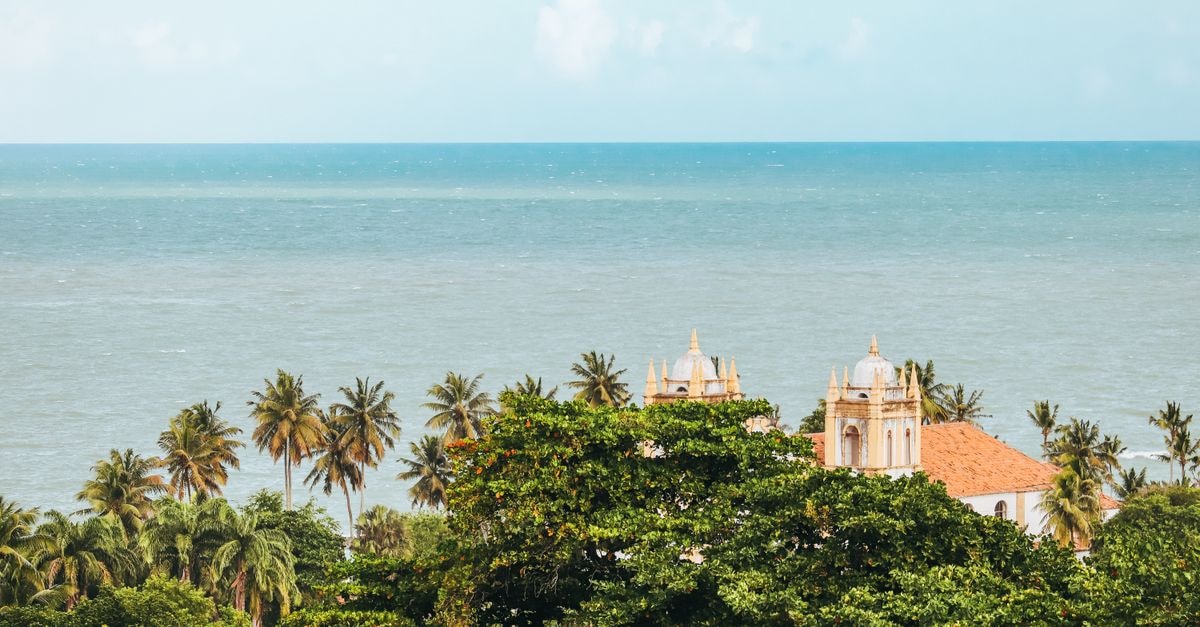
There is a particular kind of travel pleasure in a city where the streets bend, the light drops, and the rooftops tumble toward the sea. Olinda, in the state of Pernambuco, is that kind of place. It sits on a series of green hills that look out over the Atlantic, and its center has the layered, lived-in character of a colonial town that has been continuously inhabited rather than carefully preserved behind glass. Recognized by UNESCO as a World Heritage Site in 1982, it remains one of Brazil's most enchanting colonial towns, and the appeal is as much about the atmosphere as it is about any single landmark.
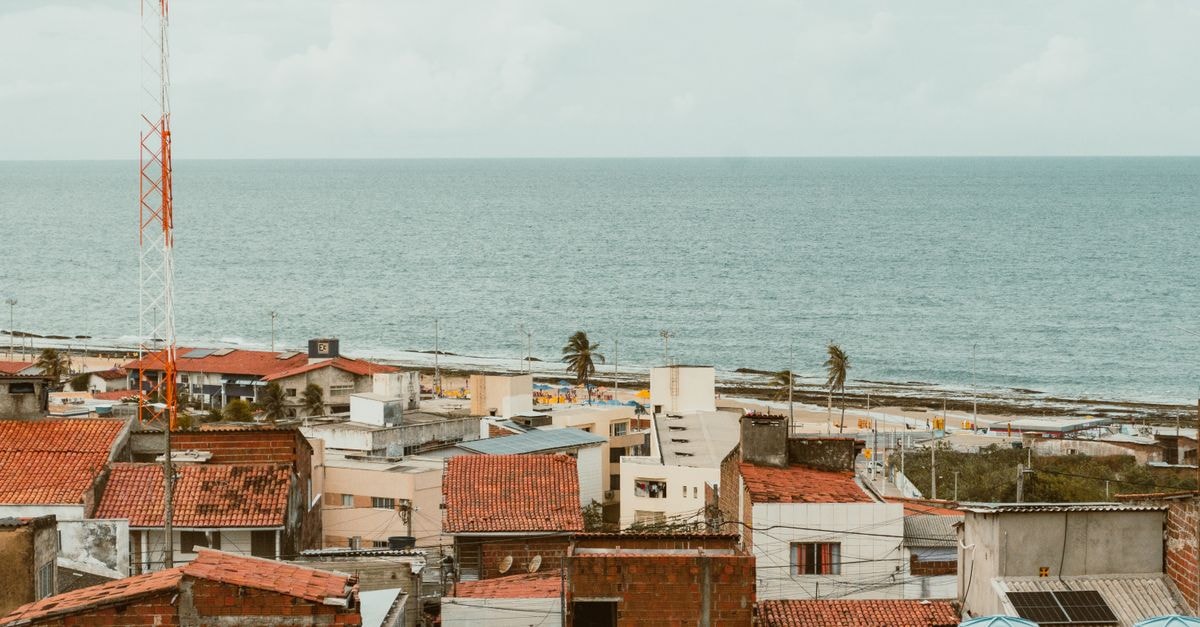
The best way to approach Olinda is on foot, with comfortable shoes and a willingness to pause. The cobblestones climb and fall, the pastel facades catch the light, and almost every corner frames a view toward the water. That mix of hills, color, and ocean is the first thing most visitors fall for, and it sets the tone for a more contemplative style of sightseeing.
Weather and seasonal context
Olinda's climate rewards travelers who plan for warmth rather than a fixed calendar. The water temperature along the coast stays in a fairly narrow band through the year, hovering around 79 to 83°F, which means the sea is never really cold. Inland, the temperatures feel consistently tropical, and the rhythm of a day tends to be shaped by sun and shade rather than by dramatic seasonal swings.
The wider window for hot-weather activities along the coast tends to fall from late July through late October, when conditions are typically the most comfortable for beach time and outdoor wandering. Outside that window the area can still be visited, but visitors often find it useful to pace the day differently, resting in the early afternoon and returning to the streets when the light softens. Because the climate is steady rather than extreme, a light wardrobe, sun protection, and a refillable water bottle will serve most travelers well in any season.
Getting around
Olinda is compact, and the most enjoyable way to move through the historic center is simply by walking. The hills are not punishing, but they are real, so a relaxed pace with plenty of stops for views and photographs tends to feel more rewarding than racing between sights.
For travelers arriving by air, the city sits close to Recife International Airport, with the distance between the two typically given as 15 to 18 km. There is no direct train or flight between Olinda and the airport, so the road is the only option. Uber and rideshare services are widely used for this short hop and are often described as the most reliable way to make the transfer, especially for visitors who are not familiar with the local taxi scene. Once in town, rideshare can also be useful for returning to a hotel after a long evening of walking, or for reaching points that sit outside the historic core.
Attractions and planning
The historic center itself is the headline attraction. Because Olinda has been recognized as a UNESCO World Heritage Site, the streets, churches, and viewpoints come wrapped in a layer of significance that goes beyond their visual charm. Visitors will find that the pleasure of the place is in the cumulative effect of climbing from one square to the next, pausing at a balcony, and taking in the same Atlantic horizon that travelers have admired for centuries.
For travelers who prefer a more structured introduction, guided tours offer a way to unlock the deeper layers of the city's history and to visit at least one well-regarded museum you wouldn't easily find on your own. Even visitors who normally explore independently often find that a half-day with a local guide adds context to the rest of their stay, making the subsequent hours of solo wandering feel richer and more legible.
Practical planning notes are simple. Set aside at least one full day for the historic core, and resist the urge to pack in too many destinations. The charm of Olinda is best absorbed slowly, and the experience tends to be stronger when there is time for a long lunch, an unhurried sunset, and a second walk through the same streets after the light has changed.
Food and local context
Olinda's culinary scene is as rich and diverse as its historical heritage, and the way to enjoy it is to graze rather than to sit down to a single large meal. A typical day on the hill might begin with a tapioca with a view, continue with a sweet named after a hat, and end with a cold drink as the sun drops over Recife. That same pattern, eat a little, walk a little, eat a little more, is how many locals experience the city, and it suits the terrain beautifully.
Technically, Olinda food is Pernambuco food, and Pernambuco food is shaped by a meeting of three culinary roots. Visitors will notice that wider Brazil context in the markets and tables around the city, where the influences of Indigenous, Portuguese, and African cooking traditions are layered into familiar dishes. The scent of fresh seafood often drifts through the narrow, cobblestone streets, and that combination of sea air, colonial setting, and overlapping food traditions is part of what makes the city feel distinct from other Brazilian destinations.
Choosing what to eat is less about finding a single famous restaurant and more about following the rhythm of the hills. Snack stalls, small lunch counters, and casual sit-down spots all have their place, and the act of sampling several small things over the course of a day tends to feel more satisfying than committing to a single tasting menu. A good rule of thumb is to ask locally what is being served that day, and to be open to whatever the neighborhood is celebrating.
A few final notes
Factual travel conditions can change over time, and it is always wise to confirm the latest details through official channels before departure. Treat this guide as a starting point for your own research, and let the slow pace of the hills set the tone for the rest of your planning.
Share this article
TOOLS FOR THIS PLAN
Make the Olinda plan measurable
Choose a tool only when it answers the next question in your trip. Your values stay in the browser, and each tool offers a route back to this planning context.