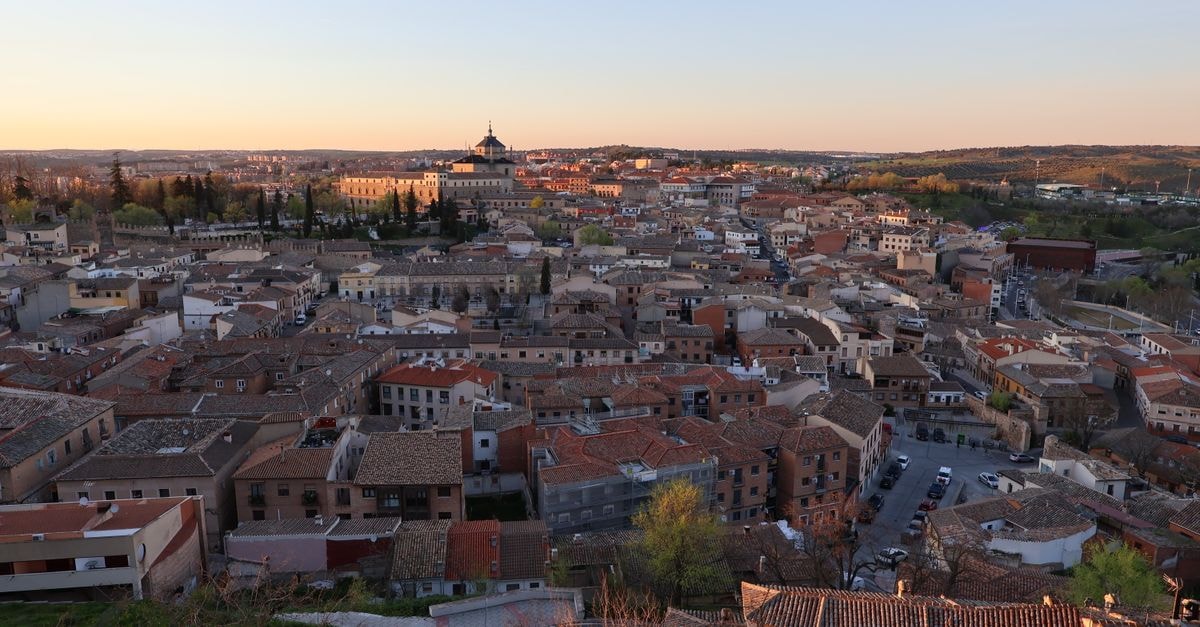
A Slow Capital on the Water

There's something quietly appealing about Olympia. It sits on Puget Sound at the southern tip of the sound, and the whole state capital feels shaped by that shoreline rather than competing with it. Visitors tend to arrive expecting Seattle energy and find something gentler instead: a small capital where government, neighborhood streets, and saltwater edge meet in the same glance.
The wider State of Washington context matters here. The region around Olympia is described in travel literature as a place that "sits on Puget Sound and excites with its aquatic pursuits, art, wildlife and museums," and the capital itself is framed as "an attractive city of natural beauty and historic and cultural attractions." That tone — natural beauty, history, culture, and water — is a useful compass for setting expectations before you arrive.
This guide is intentionally compact. It sticks to what the evidence actually supports: a sense of Olympia's setting, how to think about getting around, and the broader United States food culture you may bump into while eating your way through the city.
Weather and Seasonal Context
Because outdoor plans around the capital can shift with weather and streetwork, the loosest possible schedule tends to serve visitors best. Keep the must-see list short, leave room for a quiet detour, and let the weather decide the order of the day rather than the other way around.
Getting Around
Olympia reads as a city best explored at a walking pace, with occasional help from local transit. The Experience Olympia visitor materials describe the destination in inviting terms — a place where "outdoor and sports enthusiasts, art and music lovers, food and wine enthusiasts" can all find "amazing experiences and events to enjoy." That same visitor framing suggests building a saved list of "must-sees in the Olympia area" rather than trying to cover the region in a single sweep.
A few practical habits help:
- **Use the core as your anchor.** Capitol Way, 4th Avenue, and the waterfront are short walks apart, so most of a day can be spent on foot with a light jacket in hand. - **Treat the Puget Sound shoreline as part of the route, not a separate trip.** The water is woven into the city rather than sitting outside it, so a stroll toward the sound often pairs naturally with a coffee stop.
The wider travel press positions Olympia as a base for exploring both "aquatic pursuits" and the broader set of "art, wildlife and museums" the region is known for. You don't have to commit to a packed itinerary to enjoy that mix — a couple of anchors per day is usually plenty.
Food and Local Context
The approved evidence describes the food of the United States as a whole, not Olympia specifically, so anything written here is wider context visitors may encounter while in the city — not a city-specialty claim or a restaurant recommendation.
At the national level, traditional American food is described as "a melting pot of flavors, reflecting the nation's diverse cultural heritage and regional specialties." That's a useful reminder that what shows up on menus across the country, including in a Pacific Northwest capital, is rarely a single story. It pulls from many traditions at once.
The same source frames the goal as diving into "the rich tapestry of United States of America cuisine, showcasing the most popular dishes of United States of America that define American food culture." In a setting like Olympia, where regional ingredients and broader American comfort food often share the same room, the most rewarding approach is usually to ask what's local to the season and what's familiar from a wider American table — then eat accordingly.
Because the evidence does not name a specific Olympia restaurant, market, dish, or price, this guide deliberately stays at the level of context rather than recommendations. The practical takeaway is simple: expect variety, expect regional ingredients to do a lot of the talking, and let curiosity about what's locally sourced guide the day.
Practical Notes and Verification
A short, honest checklist helps tie the guide together:
- **Verify time-sensitive details yourself.** Construction notices, transit alerts, and event schedules can change between publication and travel dates. Official channels — the city, Intercity Transit, and Experience Olympia — should be checked before departure. - **Pace the day softly.** Olympia rewards unhurried walking more than aggressive checklists, especially around the waterfront. - **Stay flexible on food.** Because national context is broader than city-specific evidence here, exploring what's locally in season and what's recognizable from the wider American table is the most honest strategy.
Factual travel conditions can change, and official channels should be checked before departure.
---
Claims and Evidence
The following entries trace each factual sentence in this guide back to the approved ledger. Where a sentence draws on national context, the claim is clearly labeled as such.
Share this article
TOOLS FOR THIS PLAN
Make the Olympia plan measurable
Choose a tool only when it answers the next question in your trip. Your values stay in the browser, and each tool offers a route back to this planning context.