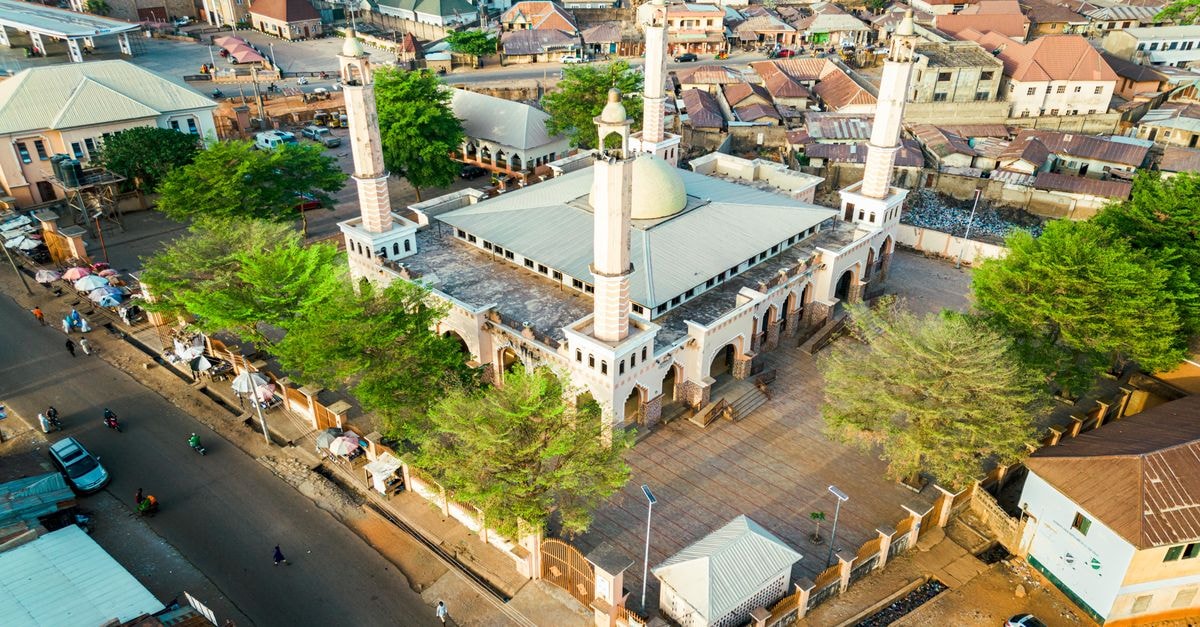
A First Glimpse of Omdurman

Omdurman carries the kind of atmosphere that rewards slow looking. Set across the Nile from Khartoum, it has the feel of a city that has lived through several lifetimes and still hums with everyday life. Travelers who enjoy places where history sits very close to the present tend to feel at home here within a short stroll of the souq and the river.
What makes Omdurman distinctive is the way its past still shapes the streetscape. As the former capital of the Mahdist State and the site of the famous Battle of Omdurman, the city holds a layered story that you can read simply by walking its older quarters. Add to that a working market and a long corniche looking toward the water, and you have a destination that feels both grounded and quietly cinematic.
Attractions and Planning
For travelers thinking about **things to do in Omdurman**, the city rewards an unhurried plan built around a few anchor stops rather than a long checklist. The most evocative thread to follow is the historical one, because it ties the visible streetscape to events that shaped Sudan.
Omdurman was the capital of Sudan during the Mahdist State (1885–1899) and the site of the Battle of Omdurman in 1898, when British-Egyptian forces defeated the Mahdist army. That history still shapes the identity of the city, and travelers with an interest in 19th-century Sudanese history often find the older quarters especially compelling. The Khalifa's House Museum is a natural anchor on any historical walk, since it links the visitor to the Mahdist period in a direct and tangible way.
For couples and slow travelers, the city has an appealing rhythm at the edges of the day. A walk through the Omdurman souq at sunset, a pause to watch the Nile across to Khartoum, and a visit to the Khalifa's House Museum make a simple, atmospheric loop that does not require rushing between sites. Because the city's attractions cluster along this kind of walking-friendly axis, it suits travelers who prefer depth over distance.
When planning your time, it helps to think of Omdurman as a place for two or three meaningful stops in a single day, rather than a long list of separate destinations. The souq, the museum, and a stretch of corniche by the Nile are the kind of trio that lets you experience history, daily commerce, and river life in one relaxed sequence.
Food and Local Context
Food in Omdurman is part of the city's texture, not a separate itinerary item. The same souq that draws visitors for its atmosphere is also where the everyday meals of the city are served, which means a food stop and a sightseeing stop often happen in the same place.
A practical starting point is Omdurman Market, also called Souq Omdurman, where food stalls offer traditional Sudanese dishes for around USD$1–$3. That kind of pricing makes it easy to eat well without overthinking the budget, and it lets you try a couple of small dishes in one sitting rather than committing to a single large plate. Travelers who like to eat their way into a new city usually find the souq one of the most rewarding parts of a visit here.
Evening is when the food scene along the water comes alive. Food stalls along the Nile Corniche in Omdurman are a lively spot for grilled fish and fresh juice while watching the sunset, and the combination of the river light and the smell of grilling is one of the most memorable sensory moments the city offers. It is also one of the most relaxed ways to spend a couple of hours after a day of walking.
Across Sudan more broadly, meals often center on shared plates of stews, beans, and grilled meats served with flatbread, and visitors may encounter that style of eating throughout Omdurman's eateries. Tea and small sweet snacks are common between meals, and fresh juices are widely available at stalls and small cafés. None of this replaces the specifics of any one restaurant, but it does mean travelers who arrive with a sense of Sudanese food culture tend to settle into local meals more comfortably.
A Note on Practicalities
Omdurman works well for travelers who plan in broad strokes rather than minute detail. The attractions cluster, the souq is a self-contained experience, and the corniche gives the day a natural close. Because so much of the appeal here is sensory and ambient, the city tends to suit visitors who enjoy walking, watching, and letting a place unfold at its own pace.
A few general considerations can shape a smoother visit. Sudan is a country where cash is often the most reliable way to pay at local stalls and small eateries, and the souq and corniche food stalls in Omdurman are typical of that pattern, so carrying small local currency makes sense for the food portions of any day. Comfortable shoes and a light layer for the evening breeze off the Nile are small touches that suit the rhythm of the city. As with any destination, current travel advisories, visa requirements, and local conditions should be checked through official channels before departure, since conditions can change.
Closing Thought
Omdurman is the kind of city that stays with you precisely because it does not try to be a spectacle. The history is real, the souq is lived-in, the food is honest, and the Nile does the rest. Travelers who go with curiosity rather than a fixed checklist often leave feeling that they have seen something of the country, not just a stop on a route.
*Travel conditions, prices, opening hours, and local rules can change at any time. Check official government, embassy, and on-the-ground sources before you travel, and confirm practical details close to your departure date.*
Share this article
TOOLS FOR THIS PLAN
Make the Omdurman plan measurable
Choose a tool only when it answers the next question in your trip. Your values stay in the browser, and each tool offers a route back to this planning context.