A pastel capital that rewards a slow wander

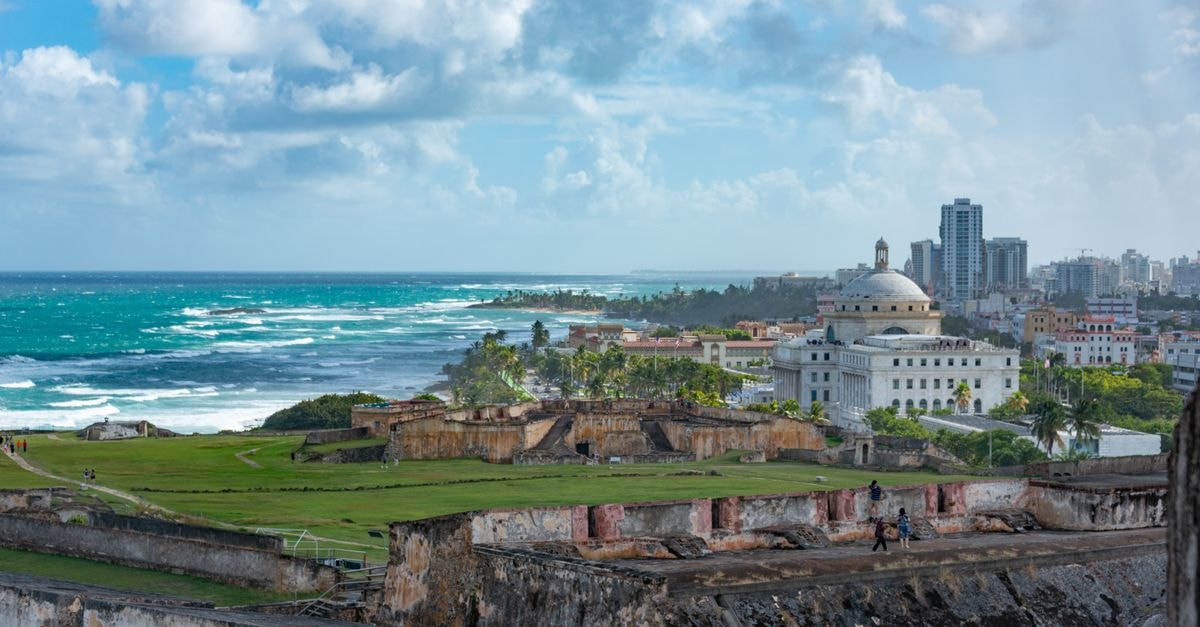
There is something quietly disarming about arriving in Oranjestad. Even before you reach the main square, the rows of facades along the waterfront start telling you what kind of place this is: a small Caribbean capital that wears its color on the outside, mixing Dutch-Caribbean architecture with a cruise-port buzz that comes and goes with the ships. Multiple destination guides describe Oranjestad as a unique blend of old and new, a city with a distinctive charm that goes well beyond a quick port stop, and that framing tends to land the moment you step onto the sidewalk.
For travelers who like to read a place before they walk it, this guide keeps things simple: what the weather and rhythm of the capital feel like, how to think about getting around once you arrive, and the kind of daily budget you can plan around. The goal is not to exhaust Oranjestad in a single paragraph, but to give you a calm starting point so the city can unfold at its own pace.
Weather and seasonal context
Oranjestad sits in the southern Caribbean just off the coast of Venezuela, and the climate is one of the easiest parts of any trip to plan around. Temperatures stay warm through the year, the breeze off the water keeps things comfortable, and rain tends to arrive in short, passing bursts rather than long wet stretches. The practical effect is that you can lean into a fairly even rhythm regardless of when you visit: light morning walks, a slow afternoon by the water, and golden-hour exploring once the day softens.
Day-to-day weather can shift quickly between sun, shade and a quick shower, so packing a light layer or a compact rain jacket tends to pay off more than a heavy coat ever would. The capital itself is walkable and flat, which means the main discomfort on a hot afternoon is usually sun exposure rather than steep streets, and pacing the day around shade, a long lunch or a museum break is an easy win rather than a concession.
TravelDojo's Oranjestad overview frames the city as an entry point for travelers who come for beaches, snorkeling off coral reefs, casinos and the Aruba Aloe museum, with the capital itself anchoring easy island access. That wider purpose matters: the weather story is not really about dodging storms, it is about keeping your energy steady enough to enjoy the mix of indoor and outdoor experiences you came for.
Getting around
Oranjestad is compact enough that you can do a lot on foot, especially once you are near the cruise terminal and the main shopping streets. The pastel architecture that earns the capital its reputation is best appreciated at walking pace, with stops for ice cream, photos and the occasional shaded plaza. For travelers who like a little more distance, taxis and local buses connect the capital with beaches and resorts along the coast, and rental cars are a common option if you want to explore the island on your own schedule.
Multiple Aruban travel guides treat Oranjestad as more than a cruise port. The Aruba Guide describes it as Aruba's colorful capital, while a destination feature on visiting the capital suggests spending a day here is a must while on holiday, even if you are staying elsewhere on the island. That framing is useful for first-time visitors: rather than rushing through on ship time, it encourages a slower pass through the streets, a stop at a museum or two, and an unhurried waterfront walk before heading out.
Budgeting your time in the capital
TravelDojo's Oranjestad guide puts a typical daily budget at around $120 to $200 per person, framing it as mid- to high-range Caribbean prices for food, activities and accommodation. That figure is best treated as a planning range rather than a hard rule: it covers an ordinary day of meals, local transport and entry-level activities, and it excludes hotels and any flights or ferries that brought you to the island.
The way that range tends to break down in practice is simple. A casual breakfast and a casual lunch keep food spending modest, while a single sit-down dinner or a guided experience can lift the day into the upper part of the range. Activities in the capital cluster around museums, shops, harbor cruises and short excursions, so choosing one paid experience per day usually keeps you comfortably inside the budget, with room for a souvenir or a beach club afternoon.
Making the most of a short stay
For visitors with only a day or two, Oranjestad rewards a couple of small habits more than any single checklist. Walk the main street at a slow pace in the morning, when the light is soft and the cruise crowds are still finding their feet. Linger in a courtyard cafe rather than ticking off a list of photo stops. Save the harbor and waterfront for the late afternoon, when the pastel facades catch a warmer glow and the rhythm of the city relaxes into evening.
The capital also works well as a soft anchor for the wider island. Travelers who base themselves here can step out to beaches and resorts along the coast without having to repack, and return to a city with enough restaurants and evening energy to keep the trip varied. For anyone who tends to over-schedule, the helpful move is to leave a real margin in the day so that a long lunch, a museum visit or a sudden rain shower never feels like an interruption.
A note on planning
Weather, prices, opening hours, transport schedules and entry requirements can all change between the time this guide is written and the moment you actually travel, especially on a small island where tourism rules the calendar. Treat the figures and descriptions here as a starting point for planning rather than a live confirmation, and check official channels closer to your trip for the details that matter most. A short verification pass before you fly tends to save a lot of small frustrations once you arrive.
Share this article
TOOLS FOR THIS PLAN
Make the Oranjestad plan measurable
Choose a tool only when it answers the next question in your trip. Your values stay in the browser, and each tool offers a route back to this planning context.