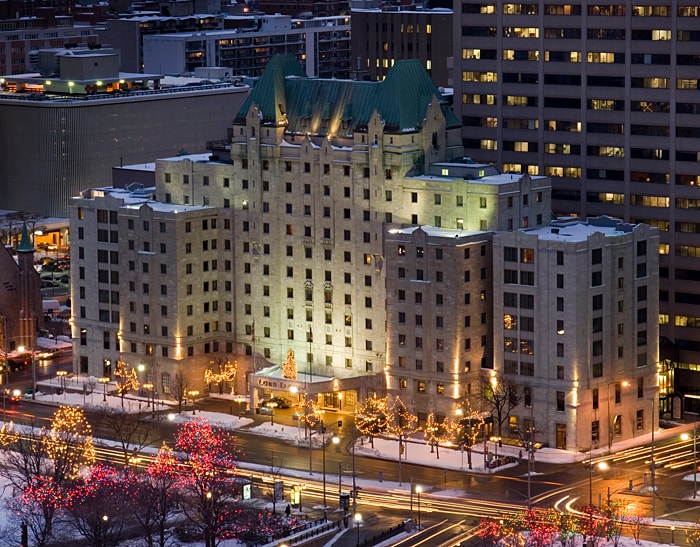
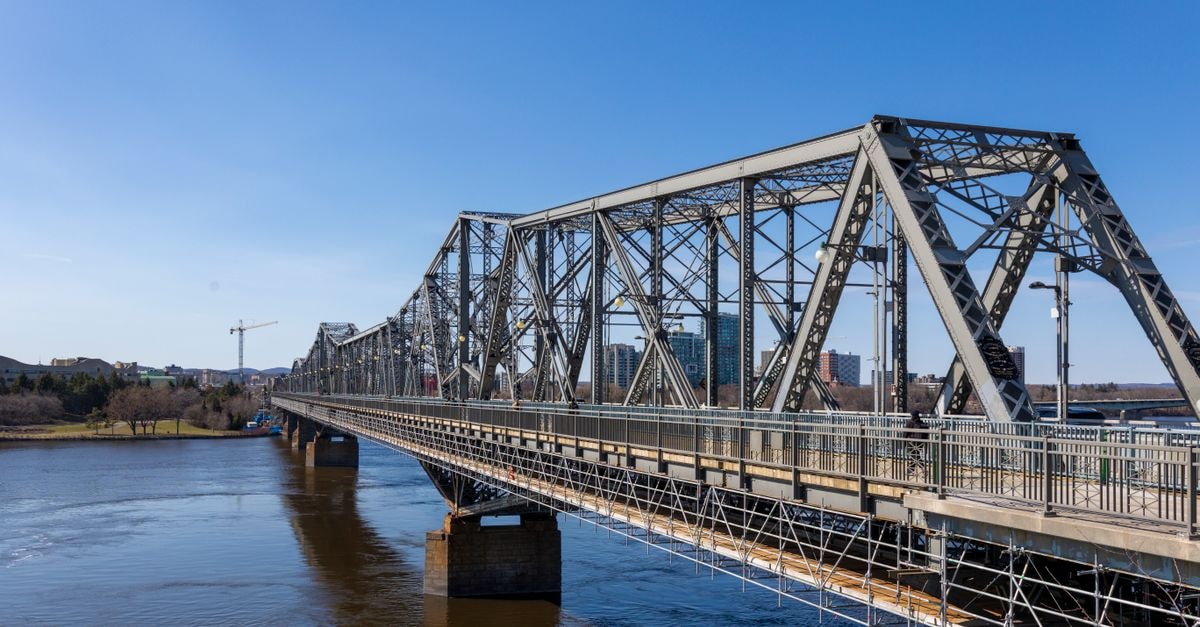
Welcome to Canada's capital

Ottawa sits at the meeting point of Ontario and Quebec, and its identity as the national capital shapes almost everything a visitor encounters, from the monuments on Parliament Hill to the cluster of national institutions just steps away. The compact feel of the downtown core means that the things that draw most visitors — the parliamentary precinct, the canal, and the museums — are easily walked between, with a reliable public transit network ready to carry you further afield when curiosity pulls you past the centre.
The city rewards a slow, intentional pace. Because so much of what Ottawa is famous for is concentrated in one walkable wedge of the riverbank, you can settle into a rhythm of one anchor experience in the morning, a relaxed lunch, and a second museum or viewpoint by late afternoon. The rest of this guide breaks down the practical moving parts so your time in Ottawa feels unhurried rather than rushed.
Attractions and planning
Ottawa is unusually rich in cultural institutions for a city of its size, and the most useful planning fact to carry around with you is a striking one: seven of Canada's nine national museums are in the Ottawa region, sitting alongside more than 30 local museums and galleries. That density means you can build a museum-heavy day without long commutes, and you can mix a big-ticket national institution with a smaller, quirkier local gallery in the same afternoon without feeling hurried.
Because visitor information for the canal and the locks beside Parliament Hill is provided directly by Parks Canada, treat Parks Canada as your authoritative source for anything related to the waterway: current visitor information, access points, and any operational notices are best checked there before you head out. The same principle applies broadly: official channels tend to be more reliable than third-party listings for opening hours, ticketing, and any seasonal considerations along the canal.
A sensible approach is to pick one or two anchor museums, leave room for a walk along the canal, and save the rest for a second visit if your time is short. Trying to cover everything in one day usually means seeing the inside of nothing, and Ottawa's institutions are the kind of place where lingering in a single gallery for an hour is a better use of time than sprinting through three.
Food and local context
Independent exploration is equally rewarding, particularly in the ByWard Market and the surrounding blocks, where restaurant turnover is high and new spots tend to appear alongside long-running favourites. For ongoing recommendations, the Ottawa Tourism website is a useful reference, since it is maintained specifically to help visitors navigate the dining landscape and can be checked closer to your trip for the freshest suggestions.
A few final notes
Ottawa rewards visitors who plan around two or three priorities rather than trying to tick every box. The national museums give the city its cultural weight, the canal and the locks give it its geography, and a foodie tour gives you a confident first taste of the dining scene before you venture out on your own. With OC Transpo handling the longer distances and the downtown core walking-friendly, the practical logistics rarely get in the way.
A short verification pass before you go is worth the ten minutes it takes. Check Parks Canada for current information on the canal and the locks beside Parliament Hill, confirm OC Transpo schedules and fares for the days you will be relying on transit, and skim the Ottawa Tourism website for the freshest dining recommendations. Conditions and openings can shift over time, and official channels are always the most reliable source.
Travel conditions, opening hours, and operational details can change. Please verify key information through official websites before departure, and treat the points in this guide as a starting framework rather than a final word.
Share this article
TOOLS FOR THIS PLAN
Make the Ottawa plan measurable
Choose a tool only when it answers the next question in your trip. Your values stay in the browser, and each tool offers a route back to this planning context.