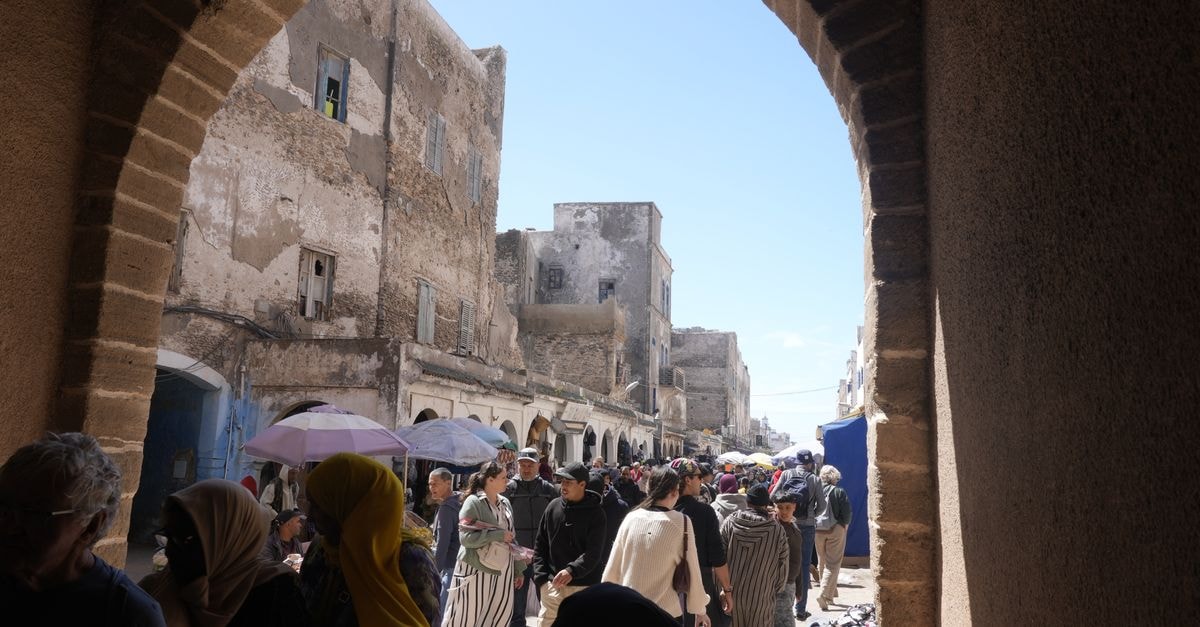
A Northeast Moroccan Pause with Its Own Rhythm

Oujda sits in Morocco's far northeast corner, an unhurried university city that feels a step removed from the country's better-known hubs. Travelers who make the detour tend to find an easy-going center, a compact old quarter to lose an afternoon in, and a culinary identity that rewards the curious palate. The city's character leans more lived-in than polished, which is part of its appeal: you settle into the rhythm of the medina, pause for a long lunch, and let the afternoon stretch out without a hard schedule.
Getting around
For exploring Oujda itself and the wider Oriental region that surrounds it, renting a vehicle offers the most flexibility, especially for day trips or ventures off the main routes. The reasoning is straightforward: a self-driven car lets you set your own pace through the city and reach points of interest that may sit outside the most central areas, which suits the way most travelers approach a regional capital like this one. If you prefer not to drive, taxis and local transit can still connect the main neighborhoods, though the evidence here speaks most clearly to the freedom a rental brings.
Attractions and planning
The historical heart of any visit is the Old Medina, whose origins stretch back to the 10th century and which is recognized as a UNESCO Tentative Site. This is the place to begin and, honestly, the place to linger. Give yourself permission to wander without a fixed route, duck into small lanes, and watch the daily rhythm unfold. The medina rewards slow looking more than checklist ticking.
For a more structured cultural stop, Museum Lalla Meriem serves as the main regional museum. It is the natural anchor if you want context on the area's heritage before or after your medina wander. Treat it as the city's museum of record rather than a quick photo stop.
Oujda also functions as a gateway eastward toward the Mediterranean coast, where Saidia stretches along roughly fifteen kilometres of beach with a lively marina. Mentioning this matters for trip shape more than for itinerary specifics: if a beach day or a stretch of seaside walking appeals, the coast is within reach, and Oujda is a sensible base from which to consider it.
Food and local context
Oujda's culinary scene is one of those quiet discoveries that travelers tend to talk about after the trip rather than before it. The kitchen here leans into slow cooking and aromatic clay pots, and the signature style that keeps coming up is the Oujda-style tajine: tender meat cooked slowly in a clay pot alongside seasonal vegetables. The conical clay pot itself is more than a vessel, it shapes the way flavors concentrate, and the slow method turns a simple combination into something that lingers in memory.
Compared to Morocco's bigger tourist cities, fine dining options in Oujda are more limited. That absence is not a drawback, it simply shifts the focus toward the city's everyday cooking, neighborhood spots, and the kind of unhurried meals that locals themselves enjoy. Come with an appetite, ask what is fresh, and let the meal run longer than you planned.
A note on wider Moroccan food culture, since visitors often encounter it here as well: tagine is the classic slow-cooked stew named after the same conical clay pot, and it appears on tables across the country. In Oujda you will find both the local style of the dish and the broader Moroccan approach, which makes the city a friendly place to compare the two side by side.
Putting it together
A workable shape for a visit looks something like this: arrive, drop your bags, and head straight into the Old Medina for an unhurried first walk, with Museum Lalla Meriem slotted in as a counterweight of context. Build your evenings around food, because Oujda rewards the traveler who eats well and eats slowly. Use a rental if you want to range farther into the Oriental region or out toward Saidia for a coastal pause; otherwise, settle into the city and let the medina set your pace.
Travel conditions and practical details can shift over time, so it is always wise to check official channels and current local information before departure. Prices, hours, and availability for specific venues are best confirmed on the ground or through up-to-date local sources once you arrive.
Share this article