An Oasis on the Saharan Edge

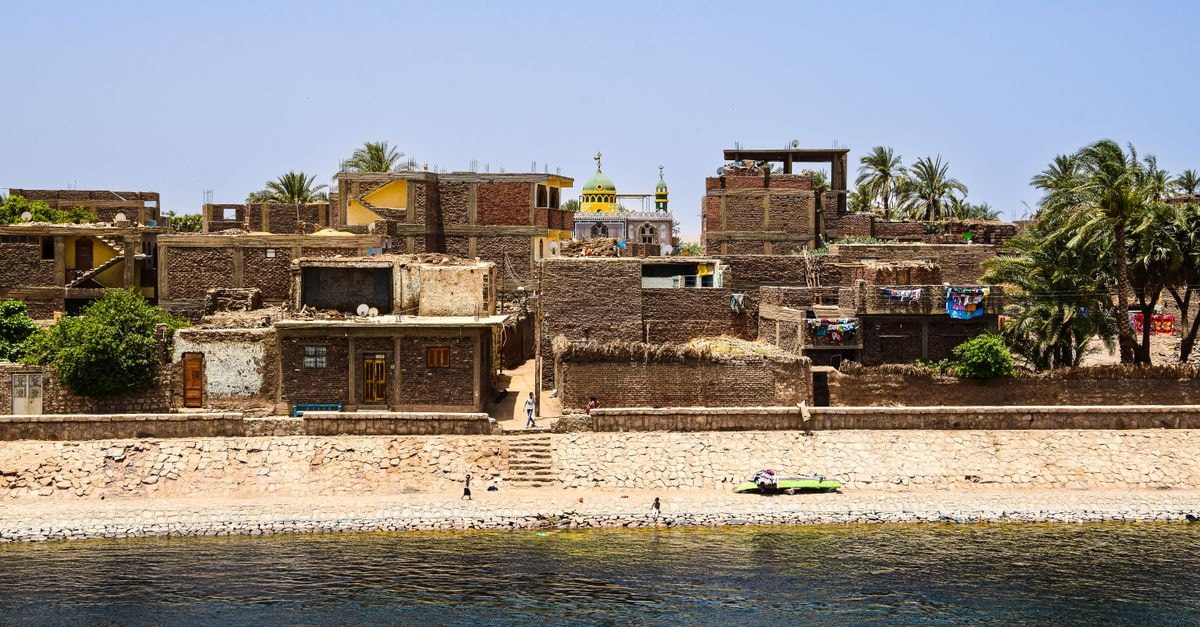
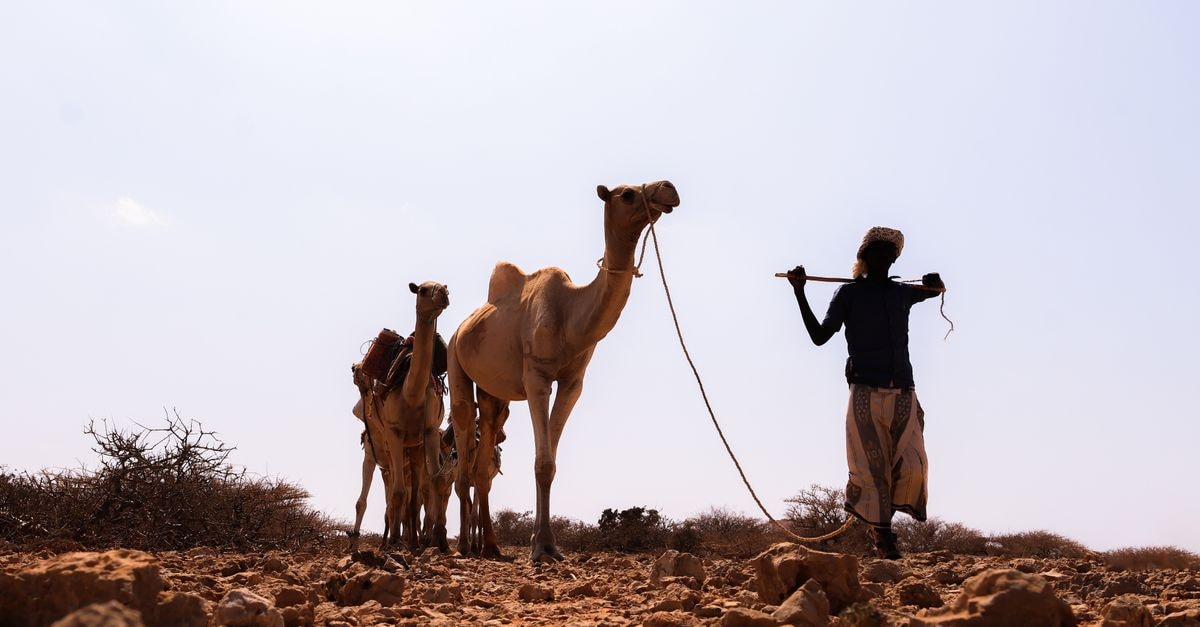
This is not a town built around a clutch of headline attractions or a packed street-food circuit. The appeal of Ouled Djellal is more elemental: the contrast between green corridors of palms and the wide, open landscape beyond them, the sense of being somewhere where Saharan life still feels closely tied to the land. If you are drawn to places whose character comes from geography and tradition rather than monuments, this corner of southern Algeria deserves a place on your radar.
Weather and Seasonal Context
Forecasting in modern travel planning has come a long way from the old nightly broadcast style, and the meteoblue Weather & Climate Summit itself notes that weather forecasting has become central to how travelers and operators make day-to-day decisions. For a destination like Ouled Djellal, where summer heat and the rhythms of the oasis dominate daily life, paying close attention to the forecast is less about choosing a date and more about pacing the day.
Because Ouled Djellal sits on the Saharan high plains, conditions can shift between genuinely warm afternoons and noticeably cooler evenings, especially once the sun drops below the level of the surrounding palms. Visitors who enjoy walking through oasis paths in the softer light of late afternoon, or who prefer to organize outdoor exploration around the cooler parts of the day, will find this rhythm a natural fit. Those sensitive to midday heat in arid environments may want to consider scheduling the longer walks for the early morning or after sunset and reserving the middle of the day for shade, rest, or indoor stops.
The summit will also examine where forecasting is heading next, which is a useful reminder that long-range and seasonal climate tools are improving but still benefit from being checked against current observations closer to your travel dates. For Ouled Djellal specifically, treat general climate guidance as a starting point and pair it with up-to-date forecasts as your trip approaches.
Food and Local Context
Algerian food changes meaningfully with landscape, and that shift is visible the moment you cross from the coast to the interior plateaus and on toward the Sahara. According to Visit Algeria's overview of the country's cuisine, olive oil, fish, and citrus brighten the cooking along the coast, while grains and vegetables anchor the high plateaus. Further south, where oases like Ouled Djellal sit, dates and preserved ingredients play a much larger role, sustaining communities whose pantry has long reflected what the desert, the palms, and the seasonal harvests can provide.
This regional framing is the clearest food lens for visiting Ouled Djellal. Expect meals that lean into the Saharan pantry rather than the Mediterranean one: dates in their fresh and preserved forms, grains shaped into simple, satisfying staples, and ingredients designed to travel and to keep. For travelers who love exploring a country's food through its geography, rather than chasing a fixed list of dishes, this is one of the most rewarding parts of a visit to the Saharan high plains.
Within this Saharan context, food is closely tied to gathering and sharing. Visit Algeria notes that the cuisine is closely associated with family gatherings, Friday meals, and the pleasure of sharing from a generous dish. Visitors to Ouled Djellal may encounter that same communal rhythm, with meals built around collective plates and unhurried conversation rather than individual portions. If you enjoy traveling through food culture with patience and curiosity, this is a setting that rewards exactly that approach.
Because this guide is anchored in widely available context rather than local listings, the practical details of where to eat, specific menus, and opening patterns are best confirmed close to your visit. A reasonable question to settle before you go is whether any community-hosted meals, small local eateries, or cooperative-run food experiences are operating during your travel window, since these are often the most direct way to taste a Saharan oasis town.
Choosing What Fits Your Trip
A few supported tradeoffs are worth naming before you set your expectations. If your main travel interest is the visual and cultural texture of an oasis, the agricultural rhythm of palm groves, and the wide-open semi-desert landscape that begins just beyond them, Ouled Djellal fits naturally into a longer southern Algeria route rather than a short standalone trip. Travelers who prefer destinations with dense, clearly mapped attractions may want to consider pairing the town with broader Saharan high plains exploration rather than expecting a single-town itinerary.
If food is a central motivator, the most rewarding framing is to look at Ouled Djellal through the lens of Saharan cuisine: dates, preserved ingredients, and the communal style of eating that runs through Algerian food culture more broadly. Visitors who are specifically looking for coastal or Mediterranean Algerian flavors will find that part of the country's cuisine elsewhere, and may want to balance their itinerary accordingly.
If you are planning around the climate, the practical approach is to treat the Saharan high plains as a place where the day's structure matters more than the calendar. Building outdoor time around the cooler hours, and leaning on shade or rest during the warmest part of the day, will suit travelers who like to walk and observe at an unhurried pace.
Before You Go
Conditions on the ground in southern Algeria can shift, and details that matter for an actual trip, from local services to transportation options, are best verified close to your departure. Official Algerian travel information and up-to-date weather forecasts are the most reliable baseline before you set off, and confirming the practical specifics of your visit in advance will help the experience match the anticipation.
Prices, opening hours, schedules, reservation rules, and local conditions can change; verify them through official channels before departure.
Share this article
TOOLS FOR THIS PLAN
Make the Ouled Djellal plan measurable
Choose a tool only when it answers the next question in your trip. Your values stay in the browser, and each tool offers a route back to this planning context.