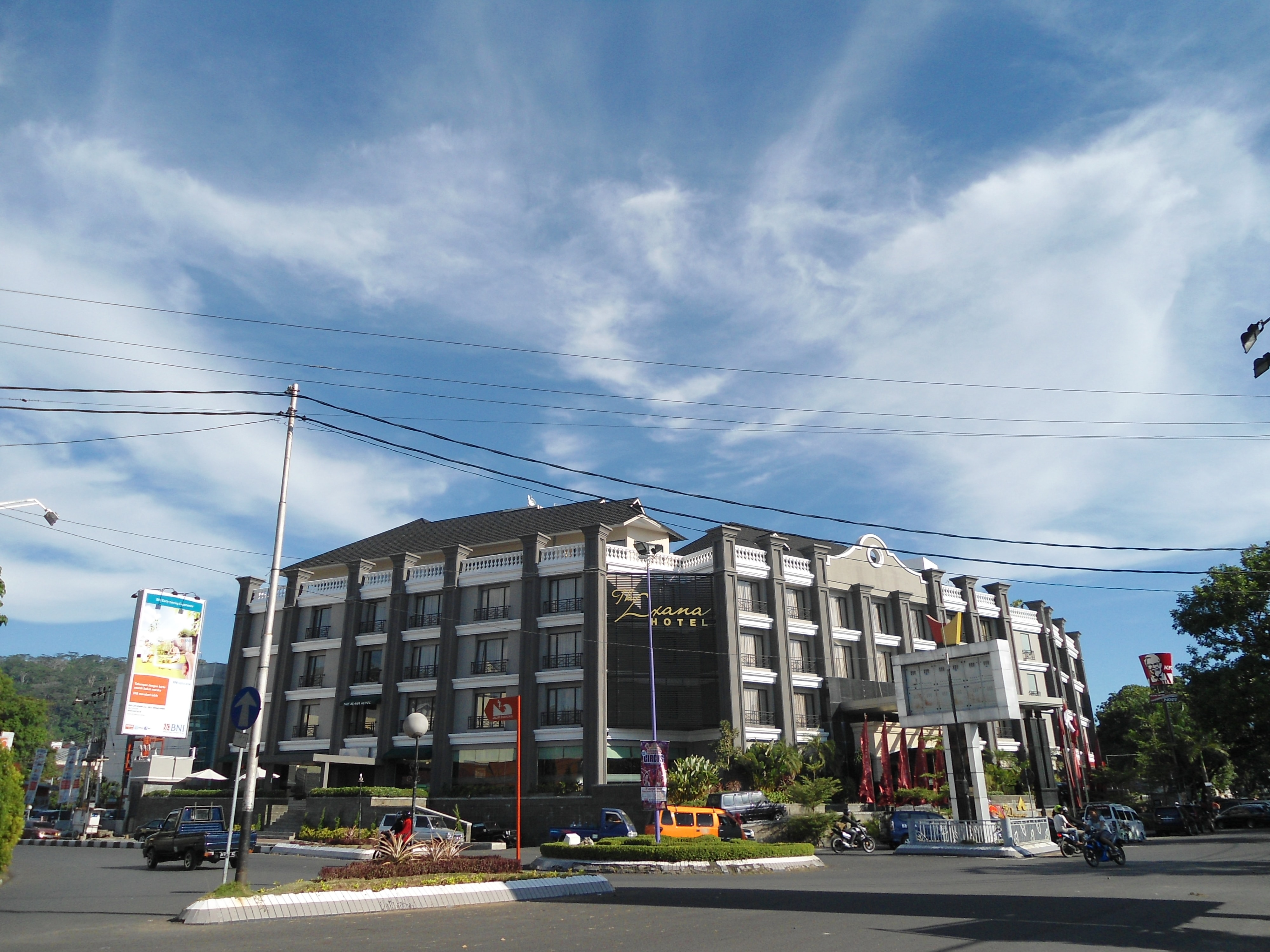
A first impression of Padang

Padang sits on the western edge of Sumatra, where the coast meets the hills and the cultural gravity of the Minangkabau world pulls gently outward into the surrounding countryside. For a visitor arriving for the first time, the city often feels quieter than its reputation suggests, and the real texture of the trip comes from how Minangkabau traditions are woven into daily life rather than concentrated in a single landmark.
This guide is shaped around two practical questions that tend to matter most in the early days of a Padang visit: what the climate rhythm does to your day, and how the geography of the city shapes the way you arrive and move. If you are planning a trip that leans into heritage and slow regional travel, the notes below should help you set expectations without overcommitting to anything you cannot yet verify on the ground.
Weather and seasonal context
Padang's climate tends to shape the mood of a trip more than most Indonesian destinations. The general local pattern frames the wettest stretch of the year as running from November through March, when rainfall is typically heavier and outdoor plans can be disrupted more often. That said, the same stretch can still appeal to travelers who prefer lusher scenery, quieter streets, and a less hurried pace.
Outside of that rainy season, conditions usually feel drier and more predictable for walking, sightseeing, and slow meals by the coast. Because the city sits close to both the Indian Ocean and the Bukit Barisan range, weather can shift quickly between bright sun, passing clouds, and short showers even in the calmer months, so layering light rain protection into your day kit is rarely wasted.
For cultural sightseeing, the climate also affects how you approach the Minangkabau heritage sites around the region. Grand Rumah Gadang architecture is best appreciated on foot and at a relaxed pace, which is easier to do when the air feels less heavy. If you are keen to understand Minangkabau traditions more deeply, planning around the drier part of the year gives you more flexibility to linger outdoors and revisit a site if a brief shower interrupts a first attempt.
Two habits tend to help across the year: starting the day early before the strongest sun, and keeping afternoons open for indoor stops, long meals, or a slow coffee while weather decides what it wants to do. None of this requires precise forecasting to be useful, and it leaves room for the kind of serendipity that often defines a Padang visit.
Getting around
Most independent travelers arrive at Minangkabau International Airport, which sits roughly 23 kilometers outside Padang city centre. That distance is short enough that the airport never feels far away, but long enough that the choice of onward transport quietly sets the tone for your first hours in West Sumatra.
Because the airport lies inland of the city, the road in often offers the first real look at the surrounding landscape, with the coastal plain and the rising outline of nearby hills framing the approach. For visitors staying within the city itself, the journey is usually straightforward, while those heading toward heritage sites further into the Minangkabau heartland will find themselves transitioning straight from the airport into a longer regional drive.
Within Padang, distances tend to be manageable, and the layout of the city makes it easy to combine coastal scenery, neighborhood meals, and cultural stops without spending long stretches in transit. A simple plan that groups activities by area, rather than chasing a strict timetable, tends to suit the rhythm of the place.
A note on costs and daily spending
This guide deliberately stays away from a hard daily budget figure, because the approved sources do not provide a clean per-person daily range that excludes hotels and intercity transport. Cost patterns in Padang can vary widely depending on whether you lean into small local warungs, mid-range hotels, or private drivers for regional sightseeing, and any single number risks being misleading without that breakdown.
What is safe to say is that Padang is generally treated as a value destination within Indonesia, with local meals and short city trips often feeling modest compared to better-known Indonesian cities. Travelers who plan to explore further into West Sumatra should think about their spending in two layers: daily city costs, and the separate budget for any regional excursions that may involve a driver, fuel, and longer days on the road.
Practical reminders before you go
A few small habits tend to make a Padang visit feel smoother:
- Carry a light layer for air-conditioned spaces, sudden rain, or cooler hill-town evenings if your plans extend inland. - Treat the November to March window as the wetter stretch of the year, and plan around it rather than against it. - Allow slack in your schedule for weather-driven changes, especially around outdoor heritage stops. - Keep your airport-to-city transfer simple, since Minangkabau International Airport is around 23 kilometers from the centre.
This guide is evergreen by design, which means it focuses on patterns that hold across the year rather than on short-term conditions. Factual details such as transport availability, weather on a specific week, entry rules at heritage sites, and current prices can change without notice, so it is always worth confirming the latest information through official channels before you travel.
If you keep your plans loose, stay curious about Minangkabau culture, and let the climate set the day's pace, Padang has a way of rewarding the unhurried traveler with a quieter, more textured side of Indonesia than you might have expected.
Share this article
TOOLS FOR THIS PLAN
Make the Padang plan measurable
Choose a tool only when it answers the next question in your trip. Your values stay in the browser, and each tool offers a route back to this planning context.