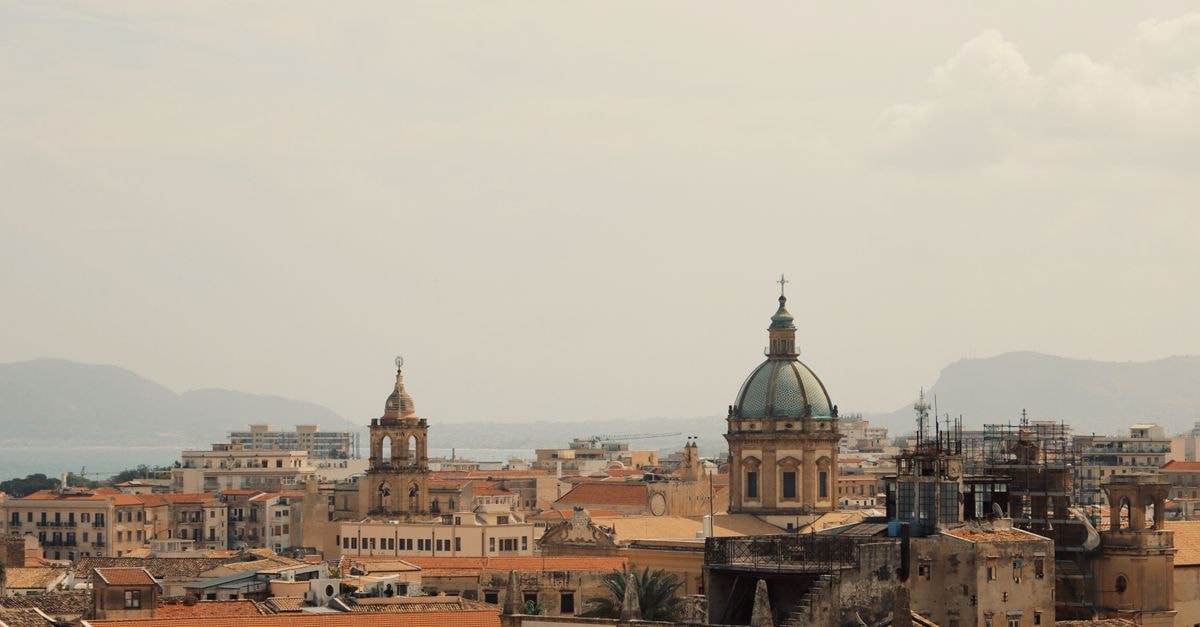
A city that refuses to be simplified

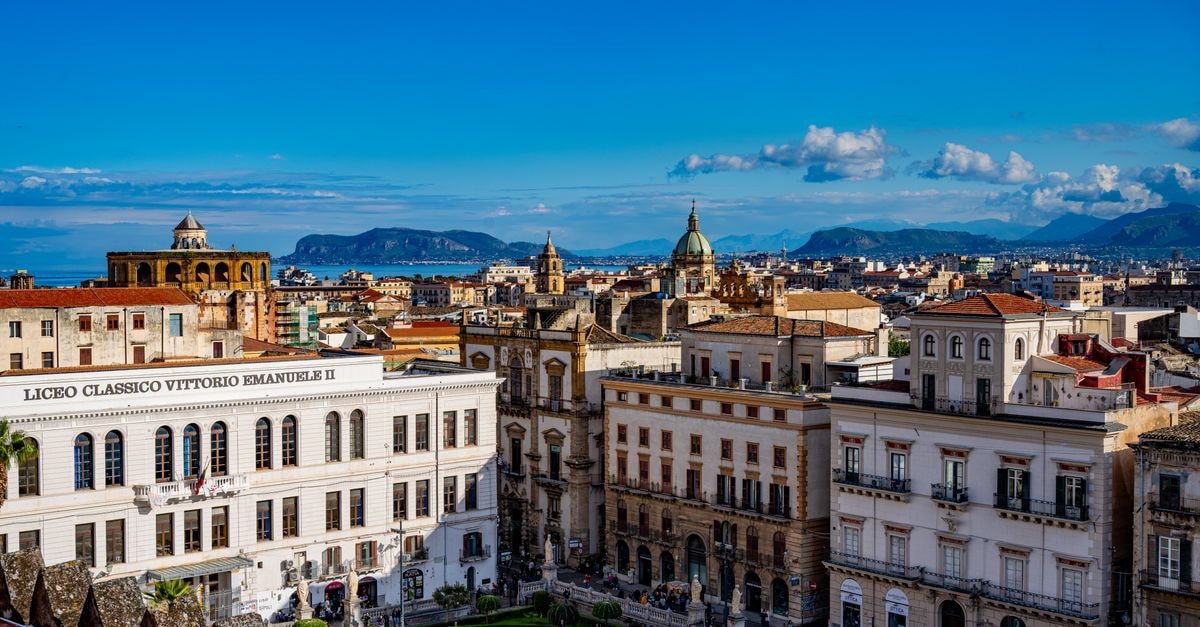
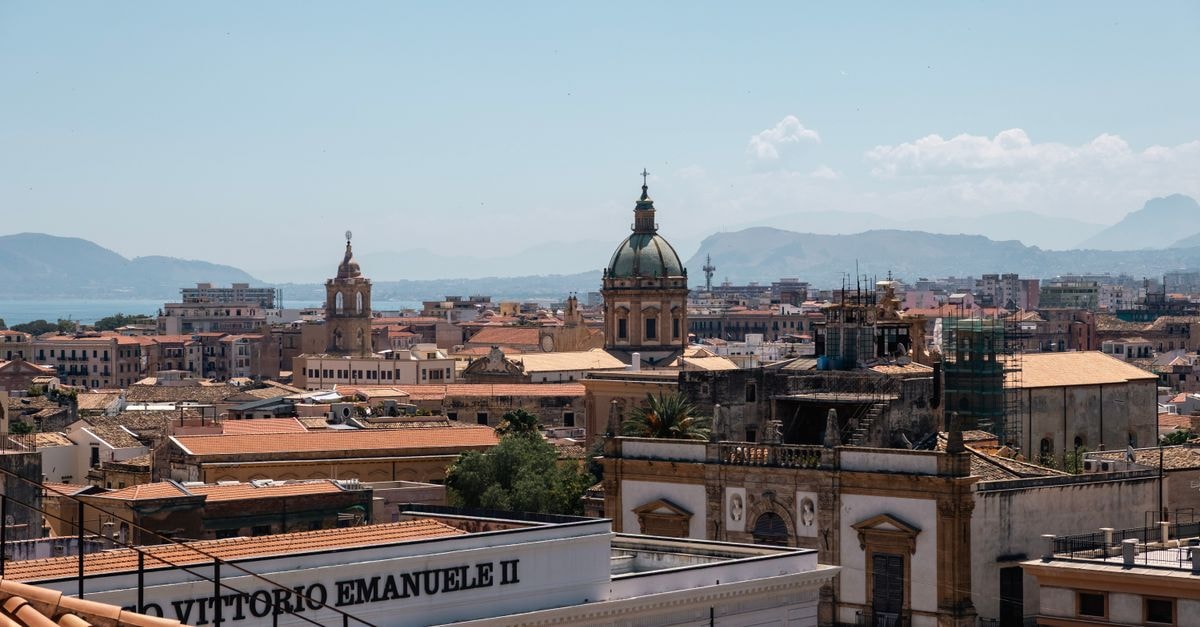
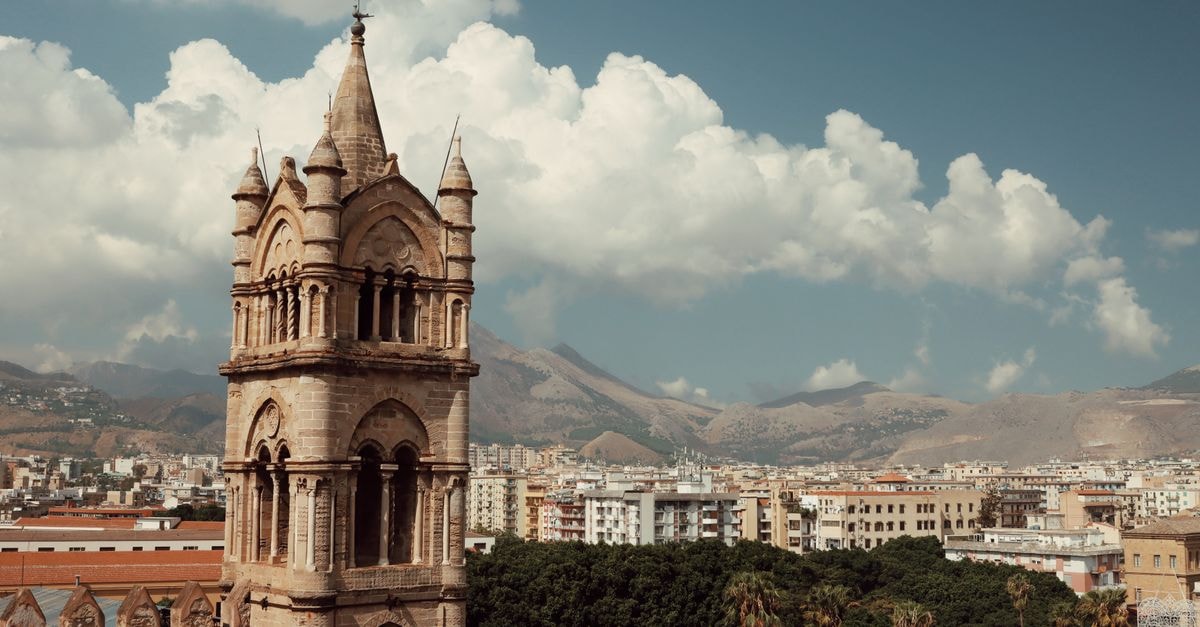
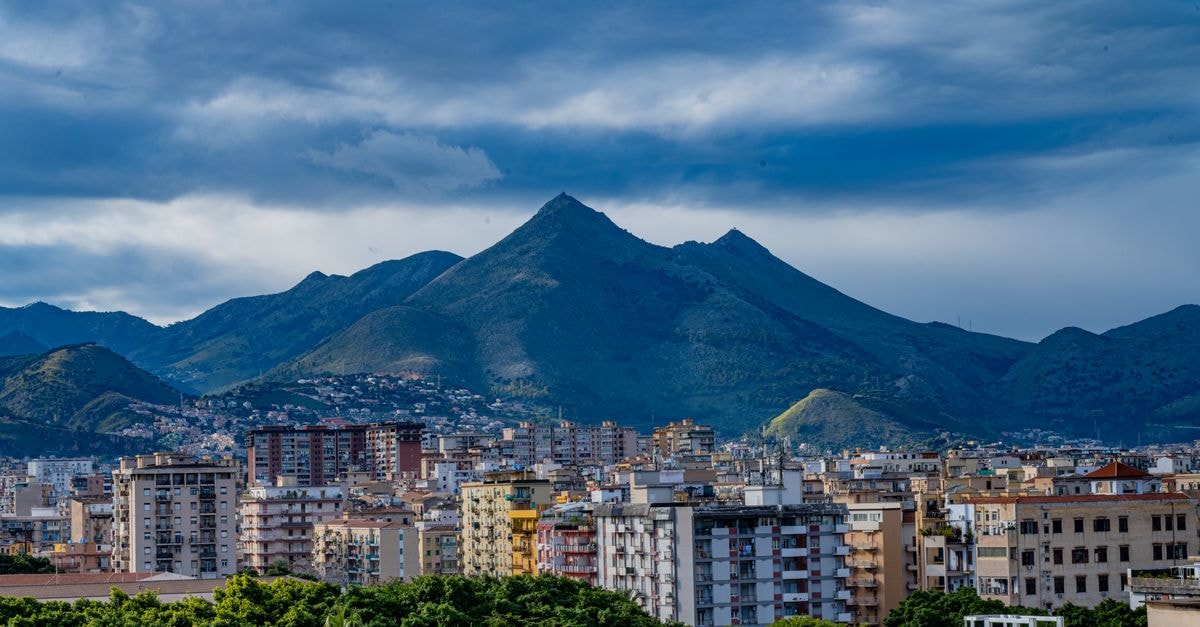
Palermo is one of those places that opens up only when you stop trying to pin it down. Layered, loud, weathered and warm, it rewards travelers who let the day unfold a little. Travel writing often frames it as a place you either get immediately or struggle with; the truer middle ground is that Palermo is best approached with curiosity, comfortable shoes, and a willingness to let plans bend.
This guide keeps things simple and practical. Think of it as a travel tip sheet rather than a checklist: how the city's rhythm tends to feel, how to move through it, and how to plan visits to cultural sites without friction. Where you can verify a price or a schedule, it appears; here is everything you need to know.
Weather and seasonal context
Palermo's setting on the coast generally brings mild weather through much of the year, with hot, dry stretches in summer and cooler, wetter months in winter. Local travel writing often describes Palermo as a city that "refuses to be simplified," and that phrase captures the climate as well as the culture: it shifts, it surprises, and it rarely behaves like a textbook forecast. For visitors, the practical takeaway is to pack for sun and heat when traveling in the warmer months, and to build lighter, slower days into the itinerary. The long coastal light is part of the pleasure of being here; give yourself time to sit in a piazza rather than rushing between sights. A hat, sunscreen, and a refillable water bottle tend to do more for a Palermo day than any single monument ticket.
If you are visiting during the hotter months, plan indoor pauses: a long lunch, a museum stop, an afternoon gelato. The city's evening rhythm picks up as the temperature softens, so it is worth building an unhurried evening into your day rather than packing everything into the morning. In the cooler months, the same idea applies in reverse: morning light is gentler, while a midday pause in a café feels earned. Either way, the climate invites a slower pace than a checklist trip would suggest.
Getting around
Getting around Palermo is part of the texture of the visit. Driving in the historic centre is described in local transport guidance as not straightforward, owing to traffic patterns and restricted zones that can confuse even experienced drivers. For most visitors, leaving the car behind, or at least not relying on one for city exploration, is the simplest path. The upside is that walking the centre tends to be rewarding: the distances are manageable, the street life is part of the appeal, and the city opens up at street level.
When walking is too much, Palermo's public transport network includes buses, trams, and a metro system, and the same local guidance notes that car-sharing and bike-sharing services are also available. That mix gives you options: metro or tram for longer crossings, a bus to reach neighborhoods that sit beyond the walking radius, and a shared bike for short, flat stretches when you want a change of pace. If you do decide to drive, treat the car as something for arrival and departure rather than for sightseeing within the centre, and pay close attention to restricted-area signage so that a relaxed trip does not turn into a paperwork problem.
Walking remains the best way to feel the city. Palermo's markets, side streets, and unexpected little squares reward wandering, and the food culture, which the city's tourism portal frames as more than street food alone, tends to reveal itself between formal sights. The same portal points visitors toward artisan shopping and the wider craft tradition of the area, which is easiest to discover on foot, browsing along the way rather than targeting a single shop.
Attractions and planning
The broader lesson is to check each site's calendar before you go. Opening days, free-entry days, and reservation requirements vary across Palermo's churches, palaces, and museums, and the rules change more often than guidebooks update. Build a short list of the places you most want to enter, then verify the day, the price, and whether a reservation is required, rather than relying on memory or a third-party listing. This is the kind of small preparation that turns a rushed museum visit into a calm one.
A practical rhythm that works well in Palermo: one big indoor sight in the morning, a long and slow lunch, then a walk through a market street or artisan quarter in the afternoon, picking up something small from a local maker. The tourism portal's emphasis on the area's craft tradition fits naturally into that arc. You do not need to plan a shopping itinerary; instead, let curiosity lead, and stop where something catches your eye. Palermo is at its best when you let the route drift a little.
A final note on planning
Treat the suggestions above as a starting frame rather than a fixed itinerary. Weather, opening hours, and transport details can change, and the city's energy shifts with the season and the day of the week. Check official channels before you travel, especially for ticketed sites and any restricted traffic zones you might cross. With those small checks done, Palermo is a place where you can travel lightly, eat well, and let the city's layers reveal themselves at their own pace.
Before you go, take a moment to confirm current opening times, public transport maps, and any visitor notices from the city's official tourism portal. A few minutes of preparation can save a long detour, and it leaves more of your trip open to the kind of unplanned moment that often turns into the best memory of the visit.
Share this article
TOOLS FOR THIS PLAN
Make the Palermo plan measurable
Choose a tool only when it answers the next question in your trip. Your values stay in the browser, and each tool offers a route back to this planning context.