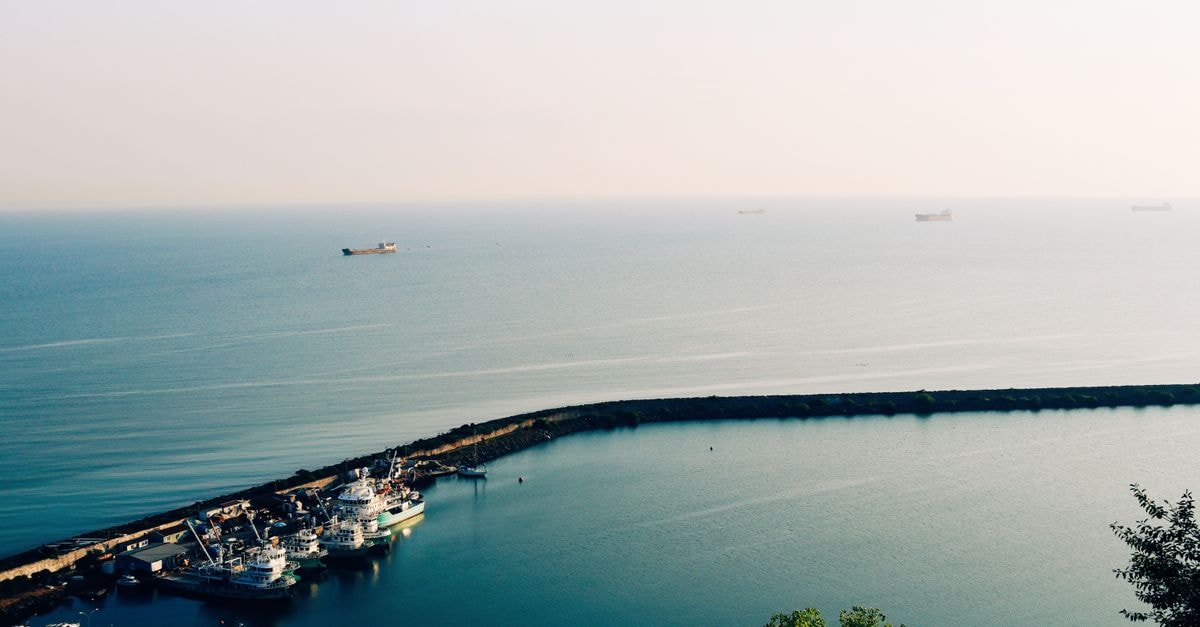
A first look at Palu

Palu sits on a long, narrow bay on the west coast of Central Sulawesi, framed by mountains that shape both the scenery and the climate of the city. The bay gives the place a gentle, harbor-side rhythm, and the surrounding peaks create the strong rain shadow that defines weather patterns here. For travelers who like cities with a sense of place but without the rush of Indonesia's larger hubs, Palu offers a slower introduction to Sulawesi.
This guide is written for independent visitors planning their own itinerary around Palu itself, with a couple of broader notes on Indonesian food culture you may encounter while you're in town.
Weather and seasonal context
Palu has a tropical rainforest climate, classified as Köppen *Af*, though the surrounding mountains keep it relatively dry compared with other rainforest cities in the region [F1-2]. The rain shadow cast by those mountains means rainfall patterns differ from what a tropical label alone might suggest.
In practical terms for visitors, this means warm, humid conditions can be expected year-round, with periods of heavier rain that may shape how you plan your days. Light rain gear, breathable clothing, and the habit of pacing outdoor activities for the cooler parts of the day are sensible general habits for any visit. Because specific monthly conditions are not documented in the available sources, it is wise to check a current forecast closer to your trip.
The key takeaway is climate character rather than a specific calendar window: expect warmth, expect humidity, and expect the mountains to influence when the rain falls rather than the rain itself.
Getting around
Palu does not have a railway or metro system [F3-2]. For travelers arriving in the city, the practical question is how to reach central Palu and move around once you are there.
The fastest and most convenient option for the airport run is typically a taxi or a ride-hailing app such as Grab [F4-2]. This is the route that suits visitors with luggage, late arrivals, or anyone who simply prefers a door-to-door transfer without a schedule to match.
For travelers who prefer a more budget-friendly approach, the official Damri airport shuttle connects PLW Airport with the heart of Palu [F4-1]. The Damri service is designed as the public-bus link between the airport and the city, so it can suit visitors who are comfortable with a fixed route and timetable rather than a private car.
Within the city, ride-hailing apps, taxis, motorcycle taxis (ojek), and car rental are all referenced as ways to get around [F3-2]. Without a rail-based system, road transport is the backbone of every journey here, so a little patience with traffic and a clear idea of your destination are part of daily life.
Attractions and planning
The most prominent natural attraction associated with Palu is Lore Lindu National Park, a captivating natural reserve located in Sulawesi Tengah, near the city of Palu [F5-1]. The park is noted for its natural setting and for being part of the region's history, making it a natural point of interest for travelers who want to spend time in Sulawesi's landscapes rather than only in urban areas.
Because the park is situated near the city, day or overnight visits can be considered by visitors who want to combine a city base with nature. Travelers who prefer mountainous scenery, forested trails, and quieter environments may find Lore Lindu a compelling complement to time spent along Palu Bay. Those who would rather stay close to the city can use the bay, the waterfront, and the surrounding neighborhoods as their main focus, then weigh whether the park fits the rhythm of their trip.
For specific trail conditions, access points, and any required permits or guides, it is worth checking official park channels before you travel, as on-the-ground details for a large protected area can change.
Food and local context
Palu has a food scene shaped by its coastal setting and by the wider Indonesian culinary tradition. Two local dishes frequently associated with the city are *Bubur Palu*, a rice porridge, and *Ikan Bakar*, grilled fish [F7-1]. Both reflect the simple, ingredient-led cooking style common across Indonesian ports: a warming bowl of porridge for any time of day, and freshly grilled fish that takes advantage of the sea.
Across Indonesia, meals often center on rice, fish, chili, and aromatic pastes, and visitors may encounter these flavors throughout their time in Palu. Shared plates, warungs, and casual seafood spots are typical ways Indonesians eat day to day, and travelers who enjoy sampling local staples rather than seeking out international menus tend to find the experience rewarding.
Those with dietary preferences or restrictions will find that grilled fish and rice porridge are approachable starting points, while anyone curious about regional specialties can ask locally about what is in season, as coastal catches vary.
Choosing what fits your trip
Palu's pace and scale suit travelers who want a base that feels local rather than touristic, and who are comfortable organizing their own transport. If a smooth airport arrival matters most, a taxi or ride-hailing app is the most convenient match for the PLW run; if keeping daily spend low and experiencing the city's public transport matters more, the Damri shuttle is a reasonable alternative.
Nature-focused visitors may want to weight their plans toward Lore Lindu National Park, while travelers who prefer harbor views, slow meals of grilled fish, and walks along the bay can stay anchored in the city itself. The right balance depends on how much of the trip you want to spend moving between places versus settling into one.
A note before you go
Factual travel conditions, including transport services, park access, and local business operations, can change. It is always wise to verify current details through official channels, your accommodation, or local information sources before departure, so that the practical parts of your trip match what is actually available on the ground.
Share this article
TOOLS FOR THIS PLAN
Make the Palu plan measurable
Choose a tool only when it answers the next question in your trip. Your values stay in the browser, and each tool offers a route back to this planning context.