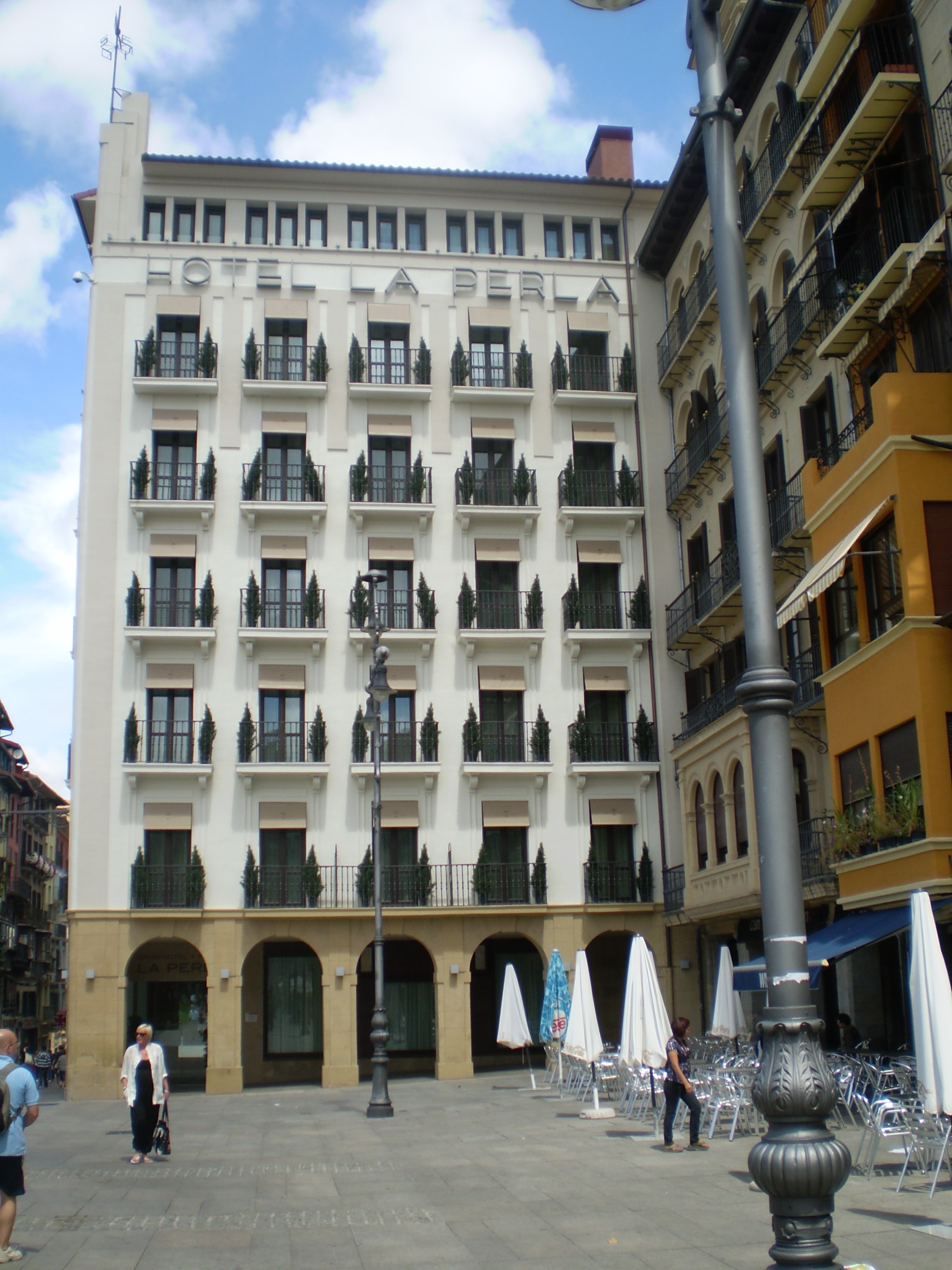
A Quieter Way Into Pamplona

Pamplona carries a calm confidence that surprises first-time visitors. As the capital of Navarre, it sits in a central position on the regional map, which gives it the feel of a place that has long been a meeting point between north and south, coast and interior. Travelers arriving here often sense that this is a city shaped by movement: people passing through, returning, and pausing, rather than rushing past.
What makes Pamplona rewarding as a stop is its layered identity. It is a working regional capital with a compact historic core, a place where culture is woven into daily life rather than cordoned off into a museum district. The tone of the city rewards slow looking: a doorway here, a balcony overflowing with plants there, the distant rhythm of conversation drifting from a plaza.
This guide focuses on the practical side of a Pamplona visit: how to approach the city's geography, how to plan around official resources, and how to anchor your time around the cultural layer that has defined the city since ancient times.
Weather and Seasonal Context
Pamplona sits in a central position on the map of Navarre, with a continental feel shaped by its inland setting. Because the city's elevation and position can produce noticeable swings between warm afternoons and cooler mornings and evenings, pacing the day with that rhythm in mind tends to work well. Many travelers find that an early walk, a slower midday break, and an evening return to the streets suits the city's natural cadence.
Because weather can shift, layering is generally the most comfortable approach. A light jacket or shawl for evenings, comfortable walking shoes for stone streets, and sun protection for midday all tend to come in handy across the calendar. Rather than prescribing specific outfits, the practical advice here is simply to build in flexibility: the city can feel warm in the sun and brisk in the shade, and a leisurely pace often makes the difference between a tiring day and an enjoyable one.
Getting Around
Pamplona is genuinely walkable in its historic center, which is where most first-time visitors concentrate their time. The compact layout means that once you settle into a base near the old town, many of the key streets, plazas, and viewpoints can be reached on foot in a matter of minutes.
For broader planning, two practical resources anchor the logistical side of any trip. The official Navarre tourism portal offers a broad starting point and frames itself as the place to find every last bit of information needed to make a trip to Pamplona one to remember, which makes it a natural first stop for orientation, cultural visits, and contextual reading. A separate practical planner complements this with a logistics-focused approach: rather than listing attractions, it handles the behind-the-scenes decisions that make those visits go smoothly, which is a useful counterweight to more inspiration-driven pages.
A point worth keeping in mind: cultural visits are framed by the official tourism voice as something light to carry. Knowledge does not take up room in a suitcase, and that small observation is a reminder that learning a bit about the city's history and identity before arriving tends to deepen the experience on the ground. Treat that framing as an invitation to arrive curious rather than over-scheduled.
For a city beyond the obvious headline attractions, the practical case for a guidebook-style resource is clear. One such guide describes Pamplona as having plenty to offer beyond the bulls, which is a useful cue for visitors who want to look past the city's most famous association and into its everyday character, regional cuisine, and quieter corners.
Attractions and Planning
Pamplona's identity is deeply tied to pilgrimage. Located on the Way of St James, the city is the first major stop pilgrims come across on their way from Roncesvalles, a fact which has conditioned its history and character since ancient times. That lineage is visible in the streets, churches, and civic spaces, and it gives a meaningful through-line for visitors who want to understand how the city developed.
For practical sightseeing planning, official city documentation offers a useful anchor. The City Hall is located on Town Hall Square, and reference information lists weekday hours as Monday through Friday, 8am to 8pm, with Saturdays, Sundays, and public holidays indicated as closed; travelers should treat these as reference hours subject to change and verify them through current official channels before planning a visit. That kind of clear, factual detail makes it easier to slot a civic stop into a walking route without wasted detours, and it sets a useful pattern for the rest of the visit: check the listed hours before you go, and build your day around the buildings and plazas that are genuinely accessible when you arrive.
Pamplona/Iruña has been noted in official documentation as a designated world capital of pelota, a recognition that reflects the sport's deep roots in Basque and Navarrese culture and that visitors interested in local sport and tradition may encounter in public events, exhibitions, or signage during the relevant period; given that such designations can shift in how actively they are observed on the ground, travelers curious about demonstrations, matches, or cultural programming are best served by asking locally once in town. Pelota itself remains a defining feature of regional identity regardless of any single year's designation.
When planning the actual sightseeing list, the most efficient approach is to use a layered system: begin with the official tourism portal for orientation, move to a logistics planner for the practical decisions (timing, transport, base of stay), and then choose one or two deeper reading sources to fill in cultural context. This keeps the trip from becoming either over-researched or under-prepared.
A Few Practical Touches
- Walking is the most rewarding way to experience the historic core. Comfortable shoes matter more than any gadget. - Layering clothes is a safe default given the city's inland climate character. - Cultural visits feel richer with even a small amount of pre-reading; the city rewards curiosity. - Official city documentation provides reference hours for civic buildings like the City Hall, always worth re-checking closer to your visit. - Beyond the most famous association, the city offers a quieter, more regional identity worth slowing down for.
Final Verification Note
Travel conditions, opening hours, public programming, and local services can change at any time. Before your visit, it is worth checking official channels, including the Navarre tourism portal and the city's own municipal resources, to confirm current details. Treat the framing in this guide as durable city context rather than a live schedule, and let official sources be the final word on any checkable detail.
Share this article
TOOLS FOR THIS PLAN
Make the Pamplona plan measurable
Choose a tool only when it answers the next question in your trip. Your values stay in the browser, and each tool offers a route back to this planning context.