A First Look at Paysandú
Paysandú sits in Uruguay’s Paysandú Department and has a strong sense of place shaped by history, the Uruguay River and the rhythms of daily life. Known as “The Heroic One” because of the historical events that unfolded on its soil, the city offers travelers two appealing threads to follow: time along the waterfront and time spent tasting its culinary traditions. For those planning an independent road trip, the practical picture is equally straightforward, with Routes 3 and 90 providing useful connections.
This guide focuses on what can be planned confidently: the city’s riverside character, its position within the regional road network, its food scene and the fishing culture associated with the Uruguay River. It avoids promising particular schedules, prices or conditions that may change.
Weather and Seasonal Context
Paysandú’s warmer periods are generally associated with higher precipitation, so weather can shape an afternoon at the riverfront. Rather than treating every outdoor plan as a certainty, consider keeping one flexible option nearby for a change in conditions. A sandy beach, a swim or a quiet sunset may work beautifully on a dry day, while rain could make a sheltered meal or indoor planning more appealing.
If you prefer warmer temperatures, the city can be a sensible choice for a trip centered on riverside time rather than a tightly scheduled city itinerary. Pace outdoor plans around the day’s actual conditions, especially if swimming or a long walk by the water is central to your visit.
Getting to Paysandú and Moving On
Paysandú is on Route 3 from Montevideo and Salto, making it a logical stop for travelers arriving from either direction. It is also connected by Route 90 from Guichón. This road-based orientation is especially useful for independent travelers who want to understand the city in relation to western Uruguay before setting out.
The broader route network continues through Paysandú in both directions: north leads toward Colón and Salto, while south leads toward Trinidad and Montevideo. To the west, the route reaches Tacuarembó, and to the east it heads toward Mercedes. These connections make Paysandú useful as a pause within a wider journey, whether you are continuing north, heading south or crossing toward the eastern side of the country.
A general safety source describes Paysandú as generally safe, with low violent crime, while still advising normal precautions. That can be reassuring for travelers planning a road-based visit, though sensible habits remain worthwhile: keep an eye on belongings, stay attentive in unfamiliar surroundings and confirm current route conditions before departure.
The Riverfront and Time in the City
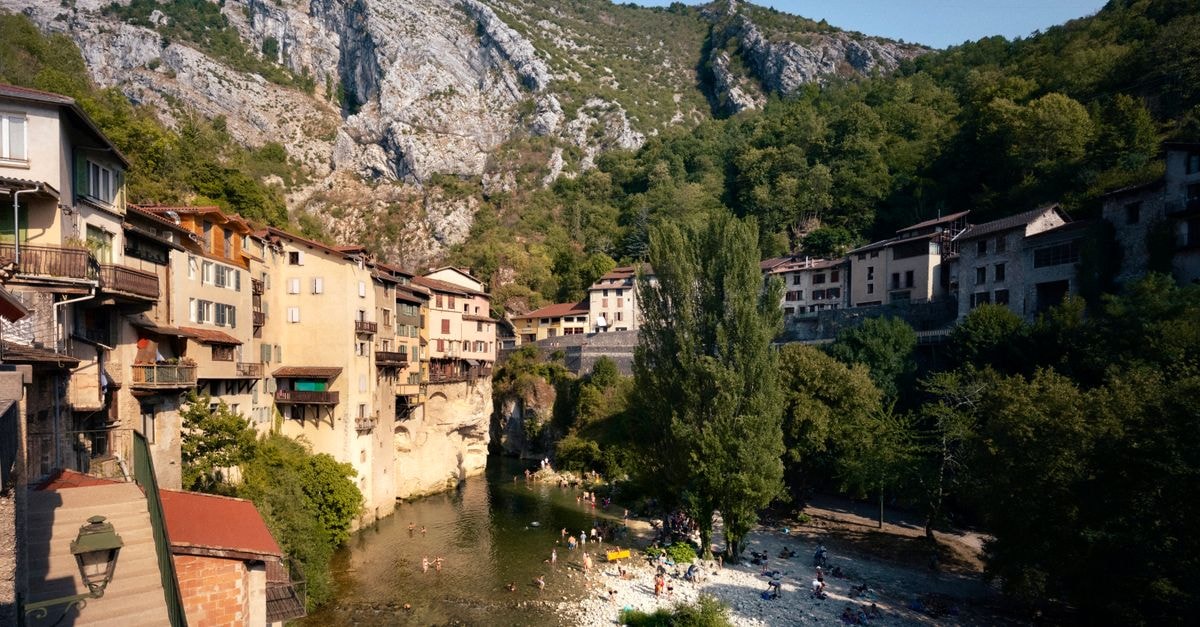
The Uruguay River is the clearest place to begin understanding Paysandú. Families gather on the city’s shores for sandy beaches, sports, swimming and open-air time beside the water. Even without a formal sightseeing checklist, a waterfront visit gives the trip a natural rhythm: arrive with time to walk, find a place by the shore and watch the river set up the day.
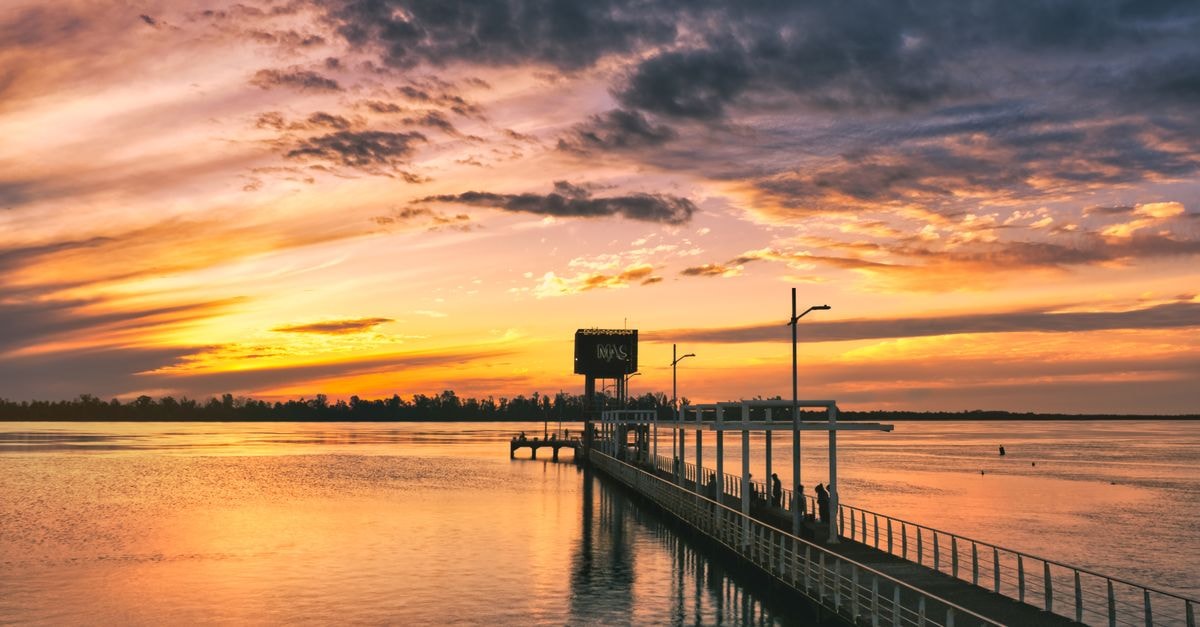
The shoreline also offers a different kind of Paysandú experience from urban sightseeing. Instead of moving quickly between landmarks, visitors can linger, play a sport or settle in for an orange sunset over the river. The evidence describes these as family activities, making the waterfront especially suitable for travelers who value shared, active days outdoors. It does not establish specific accessibility conditions, so anyone with mobility needs should check arrangements directly before visiting.
For fishing enthusiasts, the Uruguay River opens another possibility. Anglers may catch dorado and surubi, and the river therefore supports a dedicated excursion rather than merely serving as a scenic backdrop. If fishing is the reason for your visit, treat the outing as the centerpiece and ask locally about current conditions and suitable arrangements before setting out.
Food with a Local Character
Paysandú’s gastronomy centers on traditional Uruguayan dishes with a local twist. That is a useful way to frame a food-focused visit: look for recognizable Uruguayan cooking interpreted through Paysandú rather than searching for a separately defined specialty that the available evidence does not identify.
The city’s river setting also shapes the food experience beyond the plate. After time along the shore or on the water, a traditional meal can provide a natural pause and a way to connect the day’s landscape with local culinary traditions. If you prefer established national dishes, Paysandú’s approach may suit you; if you are searching for highly specific, city-only specialties, the documented evidence is more limited.
Choosing What Fits Your Trip
Paysandú works especially well for travelers who want a flexible combination of road travel, riverside time and traditional food. A day by the Uruguay River can suit those drawn to beaches, swimming, sports, sunsets or fishing, while the city’s culinary scene offers a grounded reason to slow down afterward. The road connections may also appeal to independent travelers building a wider route through western and southern Uruguay.
Plan fewer fixed commitments if your priority is open-air enjoyment, since changing weather may determine whether a beach or sunset outing feels most rewarding. Conversely, if fishing is a defining interest, make that the organizing activity and verify the practical details locally. For travelers seeking highly specific restaurant menus, formal itineraries or documented accessibility provision, the available information is too limited to promise more than the foundations described here.
Prices, opening hours, schedules, reservation rules, and local conditions can change; verify them through official channels before departure.
Share this article
TOOLS FOR THIS PLAN
Make the Paysandú plan measurable
Choose a tool only when it answers the next question in your trip. Your values stay in the browser, and each tool offers a route back to this planning context.