A first look at Pazardzhik

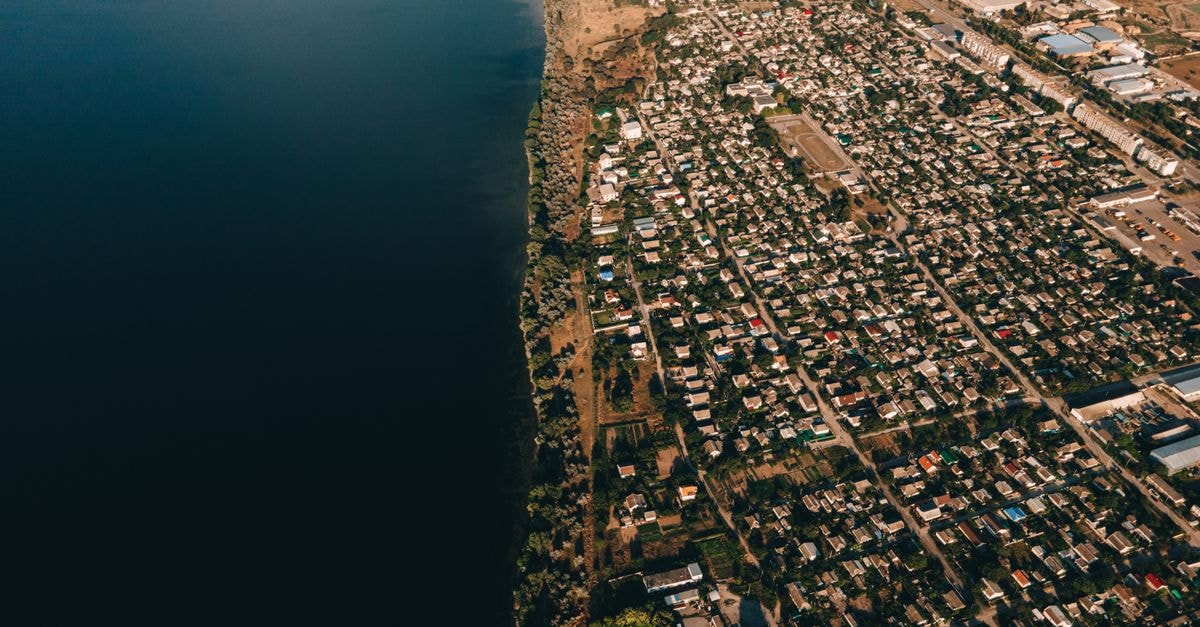
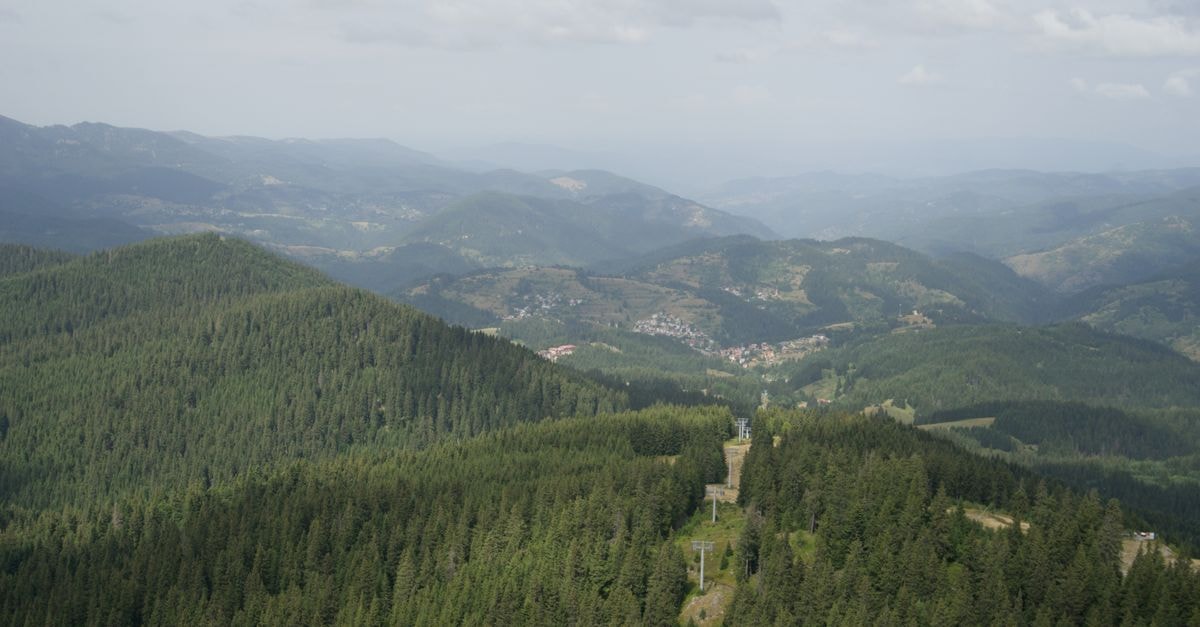
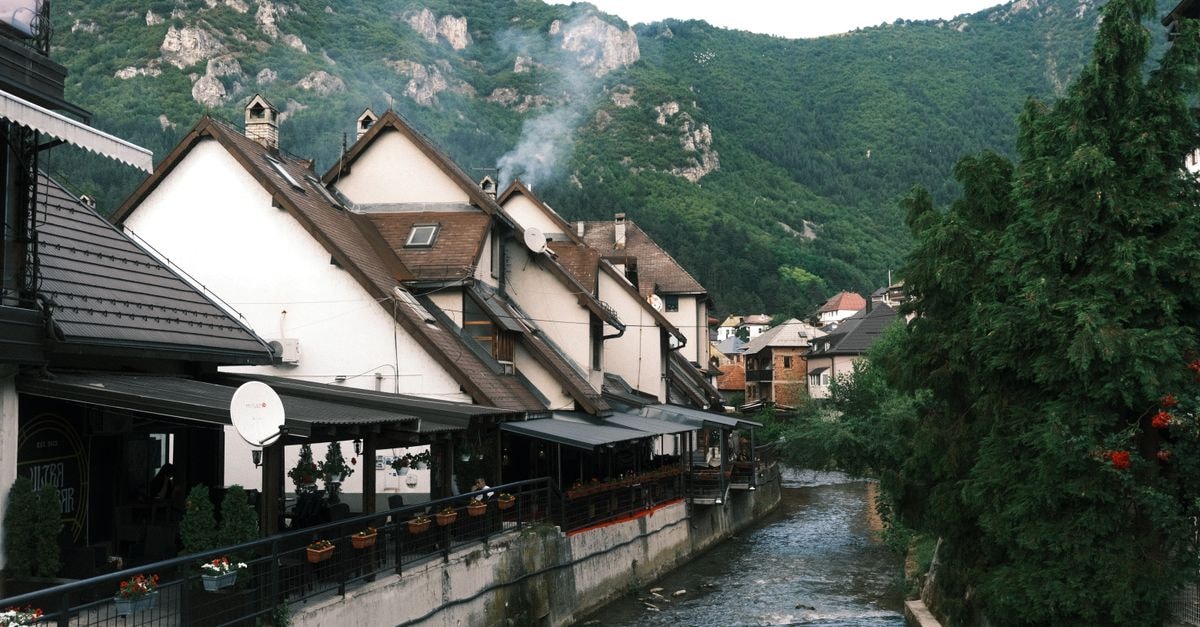
Pazardzhik sits on the Maritsa River in southern Bulgaria, where Ottoman-era architecture, lively markets, and a calm urban pace come together. The city blends a working Bulgarian town with riverside promenades and small squares that feel easy to wander, and travelers often use it as a stepping stone toward the Rhodope foothills and the wider region. The atmosphere leans more local than touristy, which can be a quiet pleasure if you like discovering a place through its everyday rhythm rather than a packed list of headline sights.
If you are the kind of traveler who enjoys layering a city visit with slow riverside walks, museum stops, and a taste of regional Bulgarian cooking, Pazardzhik can be a comfortable fit. The rest of this guide focuses on what the approved sources actually confirm, from park time to airport access.
Weather and seasonal context
There is no approved month-specific weather data for Pazardzhik in the supplied evidence, so this section stays intentionally light and evergreen. A general sense of the place is useful instead: a riverside Bulgarian city where warm afternoons and cooler evenings are common for much of the year, and where pacing the day with shade or a café break can feel natural. If you tend to feel the heat easily, consider planning the heaviest walking for the morning and saving indoor stops, meals, or the park bench for later in the day.
The guidance above is a soft reading of how the climate tends to feel in a southern Bulgarian city of this kind, not a forecast. Always check a current source closer to your trip for actual temperatures and conditions, since the approved evidence does not include live weather data for any specific month.
Getting around and reaching the city
Pazardzhik does not have a major airport of its own. The nearest major airport is in Sofia, the capital of Bulgaria, roughly 100 km away. That distance shapes how most independent travelers approach the city, and it is worth planning the Sofia-to-Pazardzhik leg as a deliberate part of the trip rather than an afterthought.
The Wikivoyage travel guide for the city also lists practical ticketing notes, including a package ticket for three sites priced at 6 лв for adults and 4 лв for students and pensioners, which can be useful if you intend to visit multiple municipal museums. Treat those figures as a reference point only and confirm them on the ground, as prices and ticket combinations can change over time.
A small cultural footnote from the same Wikivoyage page is worth knowing: one of the city's notable historical figures came from a family of famous icon-painters of the so-called Samokov School, and he is described as one of the first academically trained Bulgarian painters. The detail adds color to a walk through the older parts of town, especially if you pause at the relevant museum or monument while exploring.
For travelers crossing the border from northern Greece, the route from Thessaloniki to Pazardzhik is a recognized journey by bus or car. That connection can be useful if you are piecing together a wider Balkan itinerary and arriving in the region from the south rather than through Sofia.
If you prefer arriving by public transport and keeping the journey simple, basing yourself in Sofia and then transferring to Pazardzhik by bus or shuttle is the most documented option in the approved evidence. Drivers, by contrast, gain flexibility but should still treat the 100 km transfer from Sofia as a real leg of the trip, especially on a first visit.
Attractions and planning your time
Pazardzhik City Park is the easiest place in the city to slow down. It is described as a green oasis suitable for a picnic, a lazy afternoon, or a jog, which makes it a good anchor whether you have a few hours or a full day. If you are the kind of traveler who likes to balance sightseeing with a patch of grass, a coffee, and a book, the park can be a welcome counterweight to the more structured stops.
Beyond the park, broader travel ranking pages list popular things to do in and near the city, framed as a collection of travel choices and preferences. Those lists are useful as a starting point for orientation, but they are not a substitute for confirming what is actually open and interesting to you once you arrive. Treat them as prompts rather than a fixed itinerary.
For museum visits, the Wikivoyage package ticket (adults 6 лв, students and pensioners 4 лв) is the most concrete planning detail in the approved evidence. The documented option is a single three-site package at those prices, which can be worth considering if you intend to visit more than one municipal museum. Travelers who prefer a single, well-paced museum visit can simply pick one site and spend longer there, without feeling they have missed a deal.
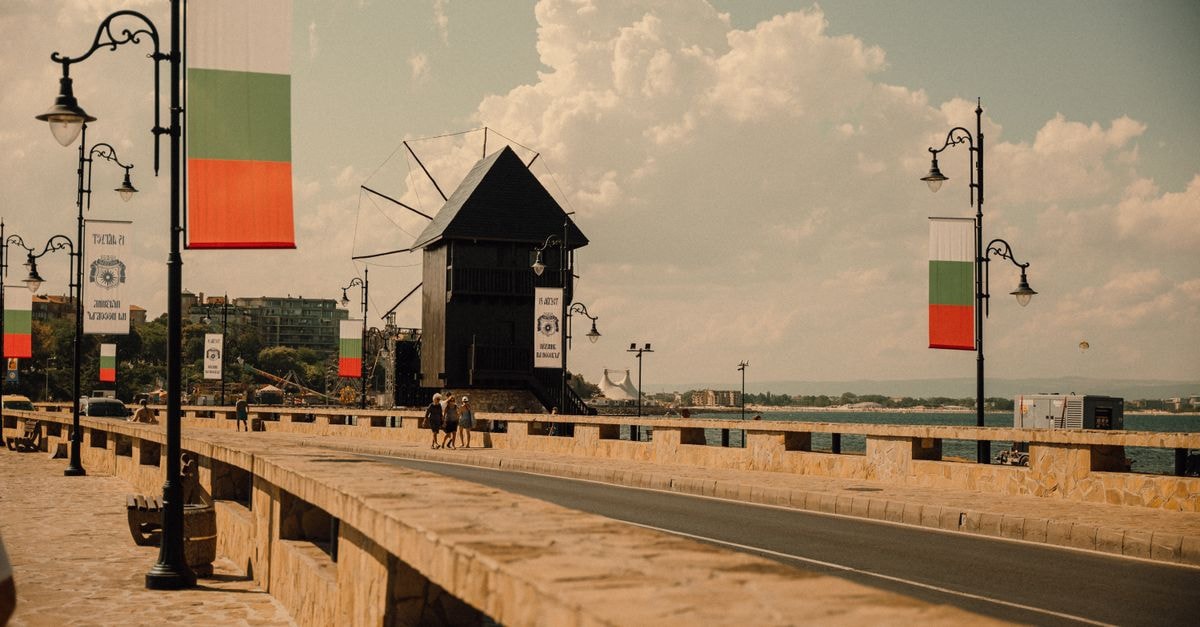
When you build your day, consider pairing the park with the riverfront. The promenades along the Maritsa are one of the defining features of the city in the approved evidence, and they connect naturally with the squares and small markets nearby. The result is a low-effort loop that suits slow travelers and anyone who wants to feel the city's everyday pulse.
Food and local context
Pazardzhik's riverside promenades and small squares are described as hosting weekly markets and municipal museums, and travelers often linger for regional Bulgarian cuisine, occasional folk festivals, and easy drives toward the Rhodope foothills. That combination of markets, food, and cultural events gives the city a lived-in, sociable feeling rather than a curated tourist experience.
Local restaurants serve authentic Bulgarian dishes in the wider context of Bulgarian cuisine, which generally centers on hearty, home-style cooking built from common regional ingredients. Treat this as background you are likely to encounter while eating in the city, rather than a list of specific venues or signature local dishes to track down. The approved evidence does not name individual restaurants, menus, or specialties, so choose where to eat based on what looks lively, fresh, and well cared for on the day.
If you enjoy eating as a way into a place, pairing a market visit with a relaxed sit-down meal can work well here. The market gives you a sense of what is in season and what the surrounding region produces, while a local restaurant turns those ingredients into a plate you can actually taste.
Picking what fits your trip
The strongest reason to choose Pazardzhik over a larger Bulgarian city is the combination of riverside promenades, a generous city park, and a calmer everyday pace. If you are happy with a small set of confirmed anchors rather than a packed sightseeing list, the city tends to reward slow exploration, museum visits paired with park time, and meals built around regional Bulgarian cooking. Travelers who want a nonstop schedule of headline attractions, or who prefer to walk everywhere from a central hotel, may want to weigh that against the city's more understated rhythm and the 100 km transfer from Sofia before committing.
A note before you go
Practical travel conditions can change. Prices, opening hours, transport connections, and site availability should be checked through official channels or up-to-date local sources before departure, and the figures and notes above are best treated as a starting reference rather than a final plan.
If you have one specific question worth verifying before you travel, it might be this: what is the current combined-ticket arrangement for the municipal museums you most want to visit, since the documented package of 6 лв for adults and 4 лв for students and pensioners is a useful reference but not a guarantee of today's pricing.
Share this article
TOOLS FOR THIS PLAN
Make the Pazardzhik plan measurable
Choose a tool only when it answers the next question in your trip. Your values stay in the browser, and each tool offers a route back to this planning context.