A quiet corner that rewards a slower pace

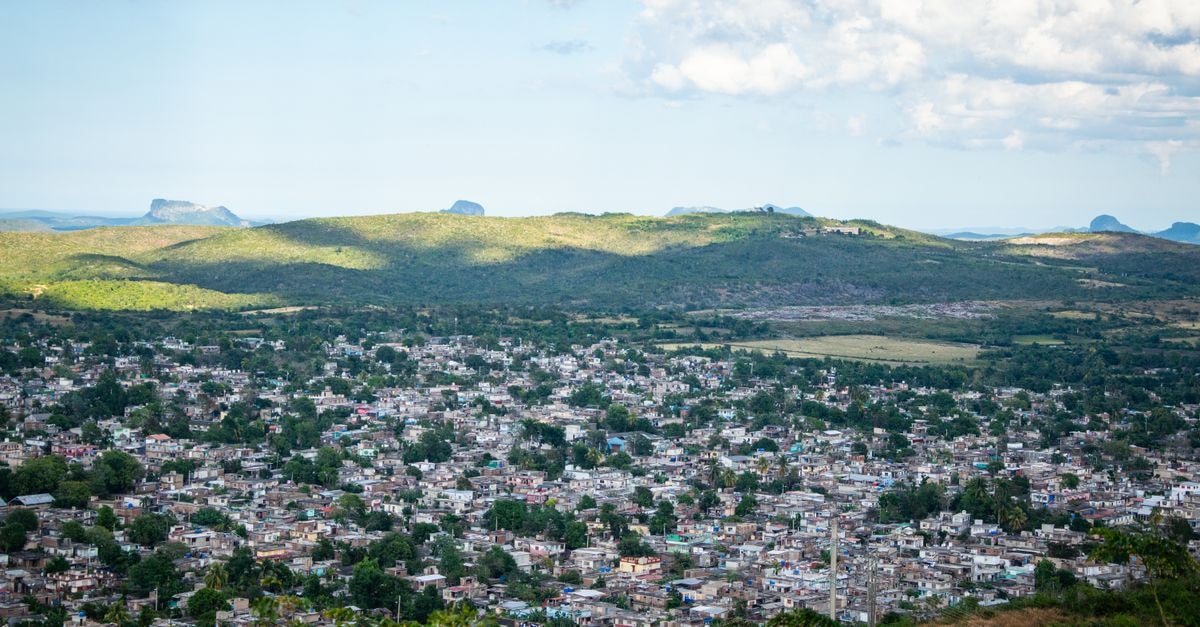
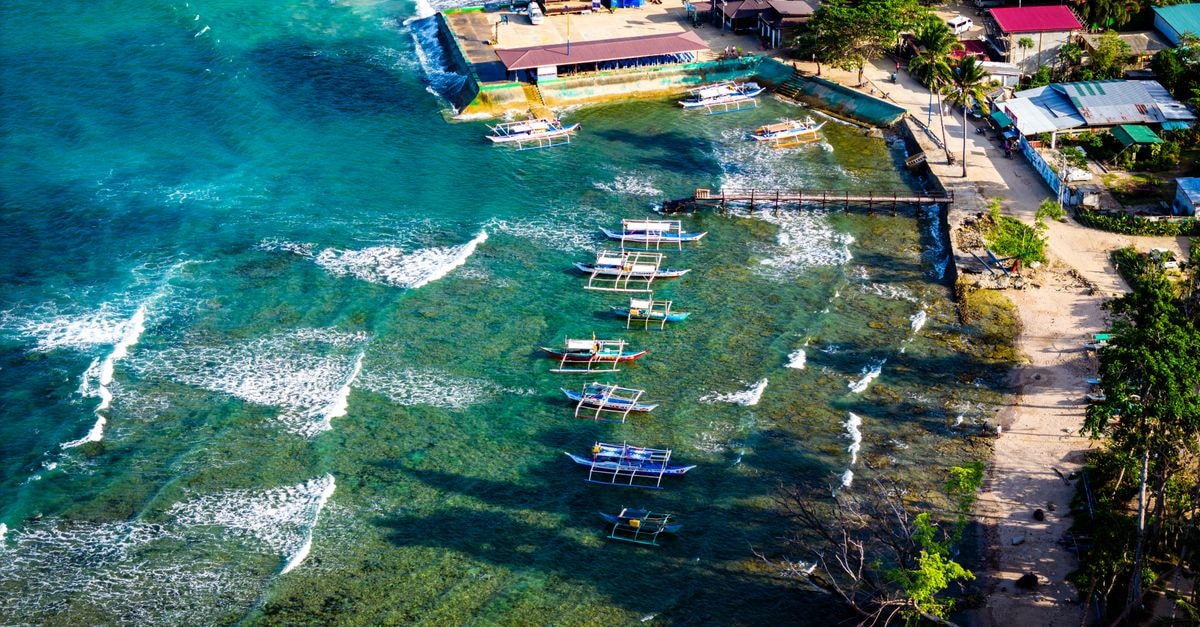
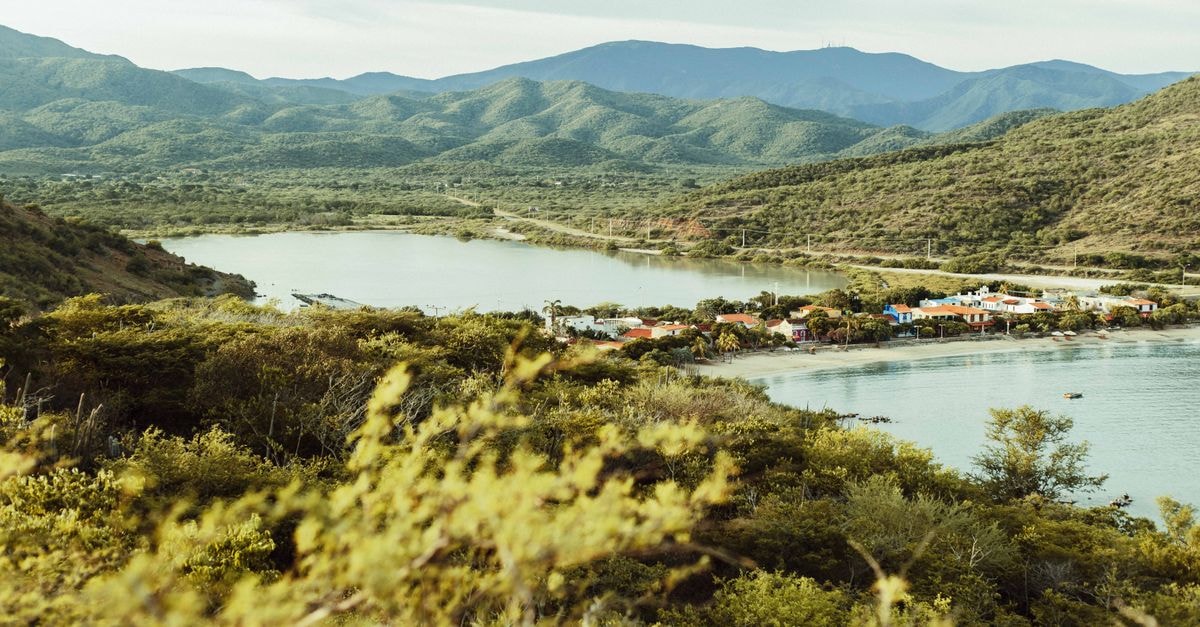
Tucked into the far southwestern edge of the Dominican Republic, Pedernales has the feel of a place the rest of the country has only just begun to discover. There are no glossy resort strips here, no resort-hopping shuttle schedules to memorize. Instead, you get a small coastal town with a beach within walking distance and a stretch of protected wilderness that locals often call the country's last wild frontier. For travelers who prefer rough edges over polished itineraries, that looseness is part of the appeal.
Because the town is genuinely small, much of the visit is shaped by how you arrive and how you read the weather. The two are tightly linked: the transport picture is thin, and rain can shift your day. Planning around those realities, rather than fighting them, is what makes a Pedernales trip feel smooth.
Weather and seasonal context
The region's climate leans tropical, and rainfall during the heart of the calendar's wetter stretch tends to be on the heavier side. Sliding 31-day rainfall in Pedernales climbs through the wetter months, beginning the period at roughly an inch and rising from there, which means showers tend to arrive in longer, more sustained spells as the period progresses.
What that looks like in practice is a destination where mornings often start bright and warm, with clouds building later in the day. Brief tropical downpours are part of the rhythm, and they tend to pass quickly, but they can slow down any plan that depends on long, uninterrupted outdoor time. If you prefer to hike, beachcomb or explore national parks at an easier pace, an early start usually serves you better than a midday push. Many travelers also find that a light rain layer and quick-dry shoes earn their space in the bag.
Because Pedernales sits along the southern coast, conditions can also feel a notch more humid than inland Dominican destinations, and the sea breeze is a welcome companion when the air grows still.
Getting around
Pedernales is not the kind of town where you need a plan for every block. The town itself is walkable, and there is a beach nearby that is easy to reach on foot. That simplicity is one of the underappreciated pleasures of visiting: you can leave your map half-folded and simply wander.
The bigger transport puzzle is arriving and leaving. If you are coming in by cruise ship, the easiest and most affordable option is the free shuttle bus that runs between the cruise port and Pedernales town on ship days, dropping you in the center without any haggling or guesswork. It is purpose-built for that one journey, and it works well for the arrival and departure window.
Independent travelers arriving overland face a more layered route. Buses from Barahona cost roughly 350 pesos, though services can be harder to catch late in the day, so an earlier departure is the safer bet. There is no direct Caribe Tours route to Pedernales because that service terminates in Barahona, which means any bus-based trip will involve a transfer and a degree of patience. Travelers who prefer to keep their schedule flexible often treat Barahona as a waypoint rather than a destination in itself.
If you are the kind of traveler who likes to move at your own rhythm and is comfortable with occasional waits, the bus-and-walk combination is a reasonable fit. If you would rather skip the transfer or are arriving on a tight ship-day window, the free cruise shuttle is the cleaner option.
Attractions and planning
Pedernales is the gateway to a stretch of the Dominican Republic that conservation-minded visitors tend to get quietly excited about. The wider area includes Jaragua National Park, the brackish wildlife haven of Laguna de Oviedo, the long crescent of Bahía de Las Águilas, and the dramatic Hoyo de Pelempito, each offering a very different take on the southwestern landscape, from coastal flats to a sinkhole-style natural formation.
Visitor information about the region is curated by an organization of Dominican agencies whose focus is to make the country's culture and heritage known, with details checked by local experts registered with the country's Chambers of Commerce, which gives a useful baseline of confidence when you are planning around these sites. Recommended excursions are typically routed through these national-park access points rather than around the town itself.
A few practical habits help the day go smoothly. Because the town is small and walkable, many travelers base themselves centrally and arrange transport out to the larger natural sites, rather than trying to chain them together independently. Bringing water, sun protection and patience for slower rural roads is a quietly good idea, and confirming any access details the night before means your morning can start clean.
If your interest leans toward wildlife and protected landscapes, Pedernales is a natural fit. The combination of Jaragua National Park, Laguna de Oviedo and Bahía de Las Águilas gives you a layered day without ever needing to leave the province, while Hoyo de Pelempito adds a geological note that balances out the coastal itinerary.
Choosing what fits the trip
A few tradeoffs tend to shape how a Pedernales trip feels, and they are worth weighing before you commit to a plan. Cruise-day arrivals will find the free shuttle bus into town both the cheapest and simplest option, and pairing it with a short, walkable exploration of the town and its immediate beach is a calm way to spend the day. Independent overland travelers face a thinner bus network, with services terminating in Barahona, so building in a Barahona transfer and starting the day earlier reduces the risk of getting stranded late. Travelers drawn primarily to the region's wild landscapes will want to prioritize Jaragua National Park, Laguna de Oviedo, Bahía de Las Águilas and Hoyo de Pelempito as the natural anchors, since these are the destinations that justify the journey to Pedernales in the first place.
Because rainfall during the wetter stretch can build through the period, travelers who prefer outdoor-heavy days may want to favor morning activity windows, while travelers who enjoy slower-paced town wandering and cafe-style downtime can comfortably let the afternoon unfold at its own pace.
Before you go
The Dominican Republic's broader travel conditions can shift, and Pedernales is no exception. Confirm bus schedules and any national-park access details through local contacts before you set out, and double-check the live peso exchange rate if you are planning to carry cash from abroad. A little pre-trip checking tends to turn a remote destination into a relaxed one.
It is also worth noting that weather, transport availability, and park access rules evolve over time, so treat this guide as a starting point rather than a final word. Official channels and locally registered Dominican travel agencies remain the most reliable sources for current conditions on the ground.
Share this article
TOOLS FOR THIS PLAN
Make the Pedernales plan measurable
Choose a tool only when it answers the next question in your trip. Your values stay in the browser, and each tool offers a route back to this planning context.