Weather and seasonal context

The town lies on the east coast of Santiago, which shapes how the climate feels through the year. Without verified current conditions to lean on, the most honest framing is to expect a coastal east-coast setting: warmth in the air, the breeze off the Atlantic doing its usual work, and a sun that can feel sharper than the temperature suggests on calm stretches of pavement. Travelers who prefer softer light for photography or walking may find that morning and late afternoon simply feel more comfortable, while midday calls for shade, water, and a slower tempo rather than a packed schedule.
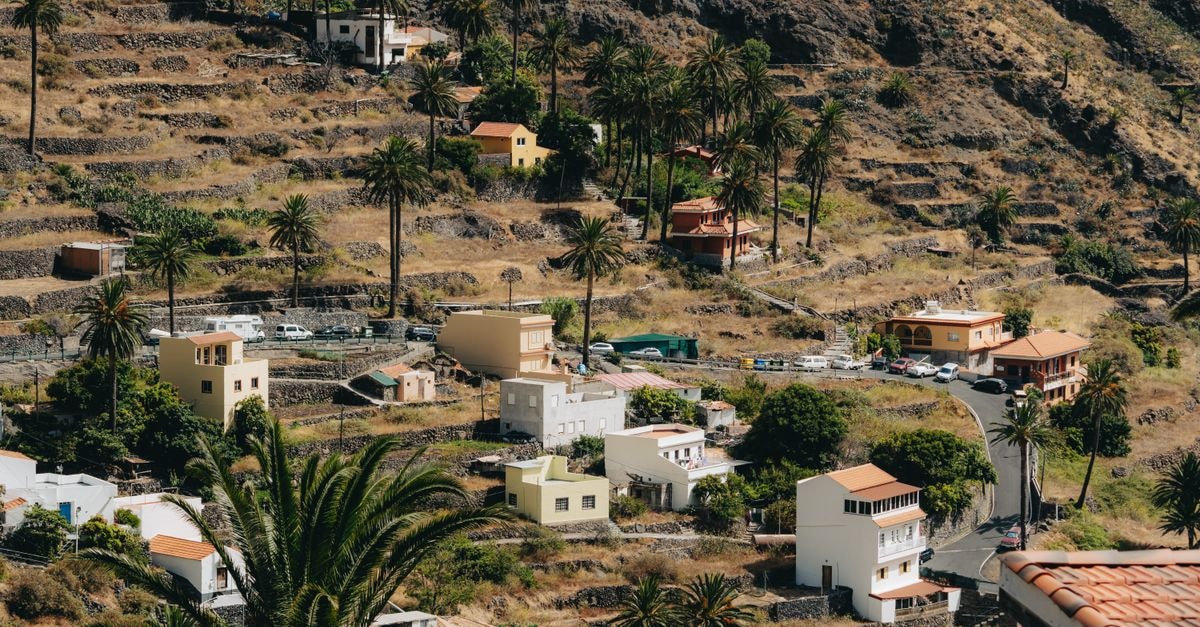
Pedra Badejo's agricultural character is one of the most rewarding things to pay attention to in and around town. The area is known for its agriculture, and the lush banana plantations are a highlight that visitors regularly mention in passing. Travelers with an interest in rural landscapes and the way a place feeds itself may want to leave room for unhurried walks, conversations with people working the land, and the occasional stop at a roadside stand rather than treating the surrounding countryside as scenery to pass through.
Getting around
Navigating Pedra Badejo can be an adventure in itself, which is honestly a useful way to set expectations before arrival. The most common local transport option is minibuses known as alugueres, which operate on a route basis throughout the town. That route-based rhythm is worth understanding: rather than hailing a cab or waiting at a single rank, you learn the lines and the corner where it tends to pass, and the town slowly reveals itself in the spaces between rides.
A practical note that independent travelers tend to appreciate: alugueres (shared minibuses) to Praia leave frequently from the main road, so a day trip into the capital or a return to the airport area does not have to be planned days in advance. Travelers who dislike rigid schedules and prefer to make decisions in the morning may find this arrangement suits them well. If you prefer fixed timetables or door-to-door service, it is worth asking locally what is realistic for the route you actually need, because the aluguer network runs on habit as much as on any posted schedule.
Pedra Badejo is also geographically useful to know about, even if you do not build an itinerary around it. The town sits on the eastern coast, about 25 km north of Praia, with Calheta de São Miguel roughly 8 km to the south-east and Assomada about 15 km to the west. Knowing these relative positions helps when you are deciding whether to base yourself here or use the town as a pause between other points on Santiago. Travelers who like keeping one foot in a smaller town and another in the wider island may find that balance easier to strike from here.
Lodging in Pedra Badejo has its own particular character. Small guesthouses and pousadas have few listings and tend to quote local rates on arrival, and local pousadas often only have a Facebook page rather than a polished booking platform. Travelers who are comfortable sorting accommodation on the ground, who do not mind walking in without a reservation, or who enjoy discovering places through social media rather than OTAs may find this approach refreshing. If you prefer guaranteed bookings with photos and reviews, consider arriving a day earlier than you think you need, or asking locally what is currently open and taking it from there.
Food and local context
It helps to approach food in Pedra Badejo as part of the wider Cabo Verdean table rather than a standalone list of local specialties. Cabo Verdean cuisine celebrates the identity of the archipelago and reflects a blend of cultures shaped by the islands' history, so what you eat in town will speak the same language as meals elsewhere in the country.
The sea is a generous neighbor. Cabo Verde is surrounded by rich waters, and fish and seafood are skilfully incorporated into local cuisine, so fresh catch is the kind of thing visitors regularly encounter on menus and at market stalls. Travelers who love seafood and are happy to eat whatever came in that morning will find that part of the cuisine takes care of itself. If you prefer land-based proteins or have specific dietary needs, it is worth asking what is on offer that day rather than expecting a fixed menu.
Traditions also shape what ends up on the table in Cabo Verde. Morna music, food, and carnival are highlights of the cultural calendar, and Creole cuisine is rich, colorful, and extremely diverse. That diversity is part of what makes eating here feel like a conversation with the place rather than a checklist. Travelers who enjoy sitting with a longer meal, listening to whatever music is playing, and watching the street rather than a screen may find evenings in Pedra Badejo reward that kind of attention.
Choosing what fits the trip
A few honest tradeoffs can help shape expectations. If your priority is a quieter coastal base within reach of Praia, with agricultural scenery and a feel for everyday island life, Pedra Badejo fits well, especially if you are comfortable using alugueres and sorting pousadas on arrival. If your priority is a wider choice of restaurants, a denser hotel scene, or a fully pre-bookable itinerary, basing yourself in Praia and visiting for a day or two may be the better fit. Travelers who want both can use Pedra Badejo as a slow middle stretch rather than a single overnight, taking advantage of the frequent aluguer runs along the main road.
A final note before you go
A practical verification question that may be worth asking locally or through an official channel before traveling: whether the pousadas you have heard about are currently taking guests, since listings and online presence can change quickly in smaller towns like this. Factual conditions on the ground - transport patterns, accommodation availability, and seasonal food offerings - can shift, and checking official or up-to-date local sources before departure is always a sensible last step. Rates mentioned in this guide refer to locally reported norms and should be treated as a reference rather than a guarantee; live conditions are best confirmed closer to the time of travel.
Share this article
TOOLS FOR THIS PLAN
Make the Pedra Badejo plan measurable
Choose a tool only when it answers the next question in your trip. Your values stay in the browser, and each tool offers a route back to this planning context.