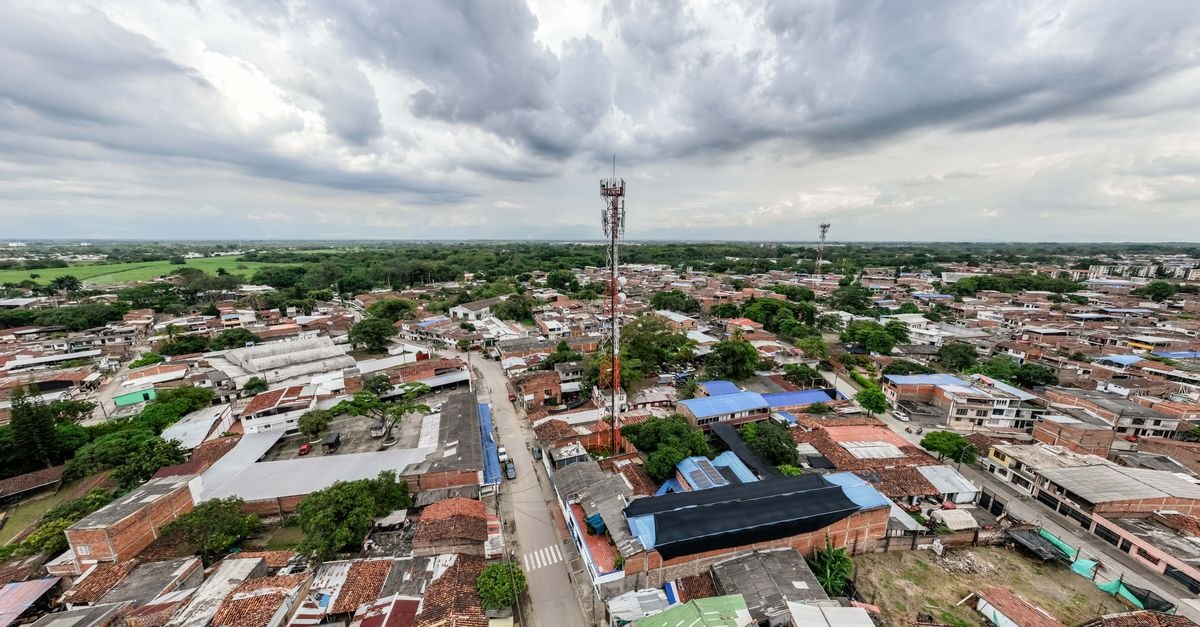
A first look at Pedro Juan Caballero

Pedro Juan Caballero sits in Paraguay's far Amambay department, right on the dry frontier that separates Paraguay from Brazil. Travelers tend to arrive here after a longer journey across Paraguay rather than as a first entry point into the country, and the city has the relaxed, road-weary feel of a place that exists mostly as a waystation and a crossing point. That is not a flaw; it is the texture of the place, and getting the most out of a visit here usually starts with understanding how movement, language and food all work on the ground.
Getting around
For most international visitors, the journey to Pedro Juan Caballero begins with a flight into Paraguay. Most international travelers land at Silvio Pettirossi International Airport near Asunción, then continue by road or domestic flight to reach this northern part of the country. Once you have landed and are ready to head north, an airport transfer is an option worth considering if you prefer a comfortable door-to-door start to the trip. If you would like a comfortable airport transfer after landing, a pre-arranged transfer can be booked in advance, which can take some of the logistical weight off the first day.
On the road itself, the bus network is the backbone of regional travel here. Paraguay-side long-distance buses heading toward this Amambay department city also call at Yby Yaú, the junction where Ruta 5 meets Ruta 3. That stop is genuinely useful to know, because Yby Yaú is where routes converge and where you can change direction if your plans have shifted. If you are following the main highways north, listening for the Yby Yaú announcement, or asking the conductor, can save you from a missed connection.
Once you arrive in the city, a small but practical piece of local knowledge helps: long-distance buses typically stop at the Fernando de la Mora corner, not at the main bus terminal. From that corner, the Paraguay Migration Office is within reach for travelers sorting documentation on the ground. Heading to the bus terminal to reach the migration office adds an extra 3 km of travel, so if your priority is paperwork rather than onward transit, getting off at the Fernando de la Mora stop is the more efficient choice.
A practical rhythm worth building in: if you are continuing onward after crossing or sorting documents, plan your day around whichever bus stop is closest to your actual task, rather than defaulting to the terminal. The Fernando de la Mora corner works well for migration-related errands, while the bus terminal is the better choice when you are transferring straight onto another long-distance service.
Food and local context
Pedro Juan Caballero has a small but official tourism presence. The Oficina Turista Róga de Pedro Juan Caballero, run as a Centro de Informaciones Turísticas, is set up as a welcoming first stop for visitors to the city and the wider region, offering warm, personalized attention and a complete set of tourist information. For travelers who like to anchor a trip with a local information point rather than working everything out from a phone screen, this office is a useful opening move on the ground.
The wider Paraguayan context shapes what you eat and hear in the city. Paraguay is officially bilingual: Spanish and Guaraní are both official languages, and Guaraní is widely spoken in daily life. In practice, that means signs, menus and overheard speech in the city may mix Spanish and Guaraní, and recognizing a few everyday Guaraní words can make small exchanges — ordering, asking directions, chatting at a counter — go more smoothly. It is a national trait rather than a city-specific one, but it is part of the texture of any trip here.
The food culture that visitors encounter while in the city draws on the wider Paraguayan blend of Guaraní indigenous and Spanish culinary traditions into a hearty, flavorful cuisine. That country-wide fusion means plates tend to be filling and ingredient-led, which suits a road-weary traveler who wants to sit down to something substantial rather than something fussy.
If you prefer a slow start to a travel day, easing into the morning with a visit to the tourist information office can be a calm way to orient yourself, then letting the bilingual character of the city unfold naturally over the rest of the day as you eat and move around.
Choosing what fits the trip
Pedro Juan Caballero works best as a waystation or a border-region stop rather than a long-stay destination, and shaping the trip around that rhythm tends to suit most visitors. Travelers who enjoy working a junction — changing direction at a road crossroads like Yby Yaú, hopping off at the Fernando de la Mora corner rather than the bus terminal, and sorting migration paperwork efficiently — will find the city's layout easy to work with. Travelers who prefer a comfortable start can pair the Silvio Pettirossi landing with a pre-arranged transfer rather than improvising the road north. Food-wise, visitors who appreciate a hearty, traditional plate over a curated dining scene will feel at home in the wider Paraguayan cuisine that shapes what is served here. Building the visit around movement, paperwork and a hearty table keeps the experience grounded and avoids fighting its waystation character.
A note before you go
The Oficina Turista Róga in Pedro Juan Caballero is the local starting place for visitor information about the city and the wider region, so it is a reasonable first stop on the ground. Bus routes, transfer options and migration office locations described here reflect the way the city works at the time of writing; road work, schedule changes and border procedures do shift, so confirming the latest details through the tourism office, your transport operator and official Paraguayan channels before you set out is a sensible last step.
Factual conditions on the ground can change, and official sources should be checked close to departure for the most current information.
Share this article
TOOLS FOR THIS PLAN
Make the Pedro Juan Caballero plan measurable
Choose a tool only when it answers the next question in your trip. Your values stay in the browser, and each tool offers a route back to this planning context.