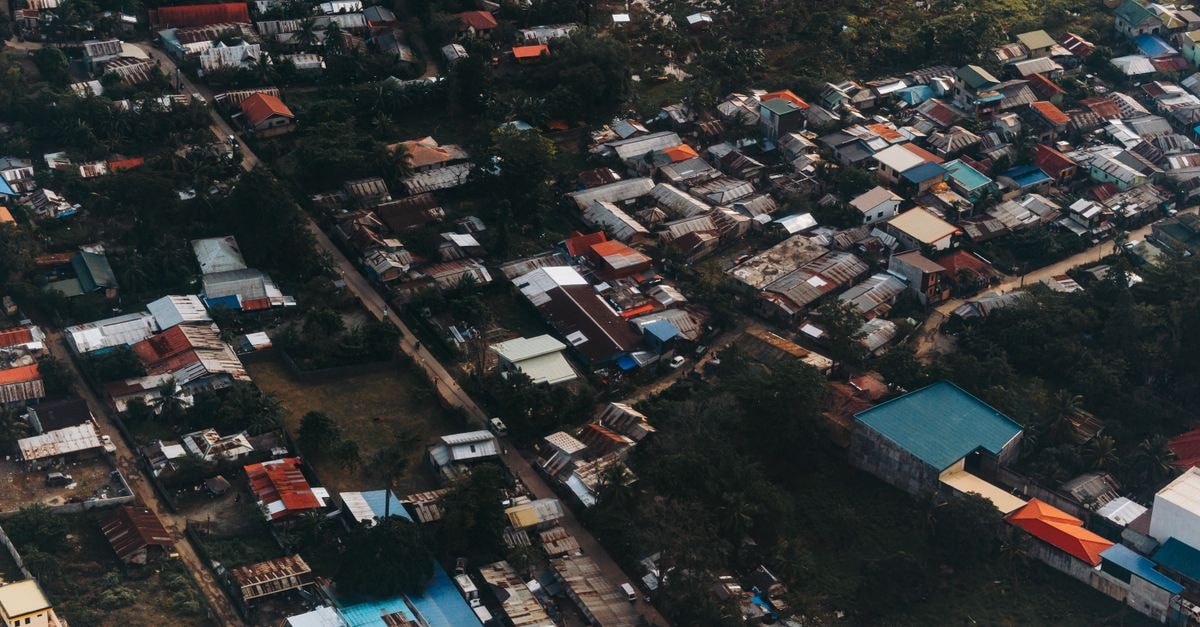
Pemba travel guide: a coastal city with two sides
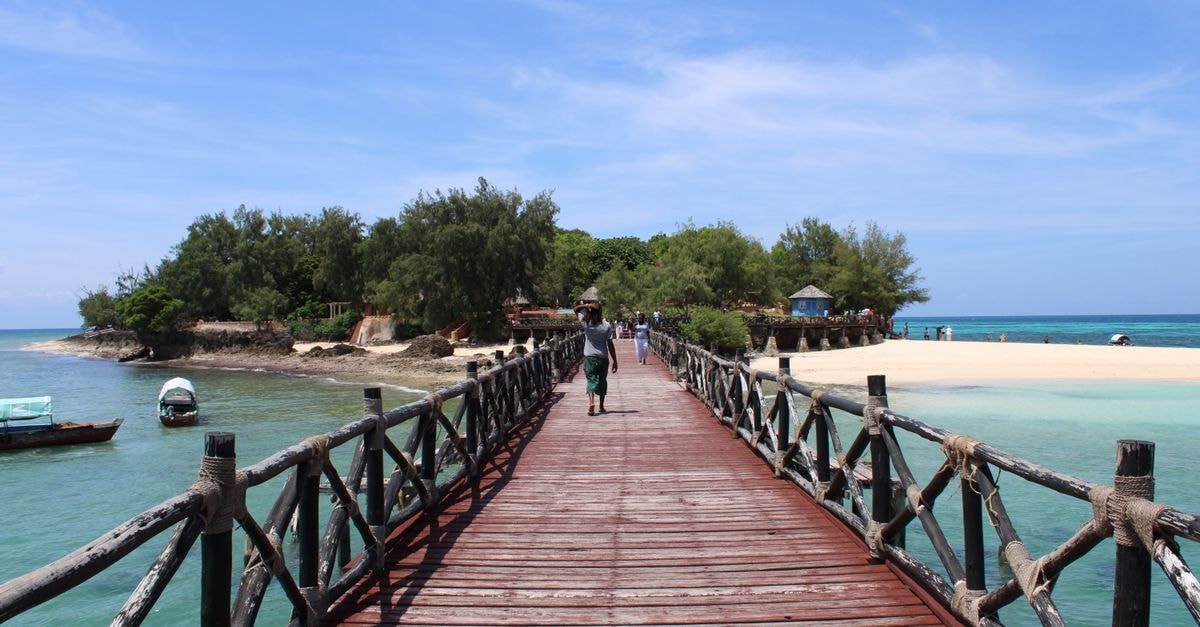
Pemba brings together two distinct travel interests: a city shaped by Portuguese colonial architecture and a surrounding landscape known for natural attractions. It is also a port city on one of the world’s largest natural bays and the capital of Mozambique’s northernmost coastal province, Cabo Delgado. If you want to balance city atmosphere with diving, snorkeling, and beach time, these activities may suit a visit centered on Pemba Bay.
This guide focuses on what is durably useful when planning a visit: the city’s setting, broad planning considerations, the character of its food scene, and the marine experiences available around Pemba Bay.
Getting oriented around a coastal capital
Pemba’s position on one of the world’s largest natural bays gives the city an unusually strong connection between harbor life and the coast. It is also the capital of Cabo Delgado, Mozambique’s northernmost coastal province, which makes it a useful reference point for visitors interested in the wider area.
Getting around is best approached with limited accessibility in mind. If you have specific mobility needs or depend on accessible transport, consider confirming the available arrangements before committing to a route. The evidence describes accessibility as limited but does not identify which particular services or routes offer accommodations, so verify the exact journey rather than assume it will work smoothly.
Understanding Pemba’s mix of city and nature
Pemba is renowned for its Portuguese colonial architecture, yet natural attractions remain an important part of its appeal. The result is a destination that does not need to be treated as purely urban or purely resort-focused. If you prefer architecture, Pemba’s built heritage provides a distinct visual and cultural thread, while reefs and clear water may appeal to travelers interested in activities around the bay.
The wider north is described as bursting with natural attractions and stunning beach resorts, even though southern Mozambique is more easily accessible by road. Within Pemba itself, the practical planning question is not whether nature exists, but how to balance city time with activities around the bay. If your priority is marine discovery, consider giving diving and snorkeling more space in your plans; if your priority is architectural character and local food, leave room to explore the city itself.
Light and conditions for coastal activities
Pemba’s eastern-facing beach is especially notable for spectacular morning light. If photography is part of the reason for your trip, that can be one of Pemba’s most appealing natural details. For a beach-focused morning, consider arranging the coastal part of your day around the early hours and leaving the middle of the day available for a city-based activity. This is a pacing suggestion rather than a claim that conditions will always cooperate.
Diving and snorkeling around Pemba Bay
The clear waters around Pemba Bay support diving and snorkeling, with coral reefs, colorful fish, and sea turtles among the marine life that may be spotted. This makes the bay a strong fit for travelers who value underwater scenery more than a purely land-based city break.
The mention of sea turtles gives divers and snorkelers a clear point of interest rather than leaving the activity as a generic “sea day.” Visibility is another important factor. May to October is identified as the optimal travel window for exceptional diving visibility, so that period may be useful for general comparisons when underwater experiences are a priority, though visibility is not guaranteed.
Before booking, verify the current dive site, conditions, inclusions, and any requirements directly with the provider. That matters because marine conditions can change, and a general guide cannot confirm what a specific outing will include.
Food with Portuguese, African, and Arab influences
Pemba’s culinary scene is described as a fusion of African, Arab, and Portuguese influences. That combination may suit travelers who want food to reflect the city’s layered cultural history rather than follow a single national template.
The Portuguese connection visible in the architecture is echoed in the broader culinary character, while African and Arab influences add another dimension. Rather than narrowing the experience to one dish or one restaurant, approach the food scene as part of Pemba’s wider story: a coastal capital where the influences that shaped the city also meet in the kitchen.
It is worth allowing some time simply to notice what is being served and how meals are organized locally, particularly if regional food is a priority. The approved information does not identify individual dishes, markets, restaurants, prices, or opening hours, so check those details locally rather than inferring them from the name of the city.
Choosing the Pemba experience that fits your trip
Pemba suits different travelers in different ways. If you prioritize architecture, consider using the Portuguese colonial character as the anchor of a city-focused visit, adding bay views and coastal light without making outdoor activities the sole purpose. If underwater scenery is your priority, diving or snorkeling may warrant more of your itinerary. When comparing travel dates, May to October is the documented window associated with exceptional diving visibility, a general planning consideration rather than a guarantee.
The most useful balance depends on your preferences. Consider one plan built around a city morning with time for food and architecture, followed by a coastal or marine activity, and another centered more fully on the bay. Availability, operator arrangements, and accessibility should be verified before finalizing either plan.
Final verification note
Travel conditions, site access, marine conditions, and local arrangements can change. Check official channels and providers directly before departure, especially for transport accessibility, activity booking, and the details of any food or coastal outing.
Share this article
TOOLS FOR THIS PLAN
Make the Pemba plan measurable
Choose a tool only when it answers the next question in your trip. Your values stay in the browser, and each tool offers a route back to this planning context.