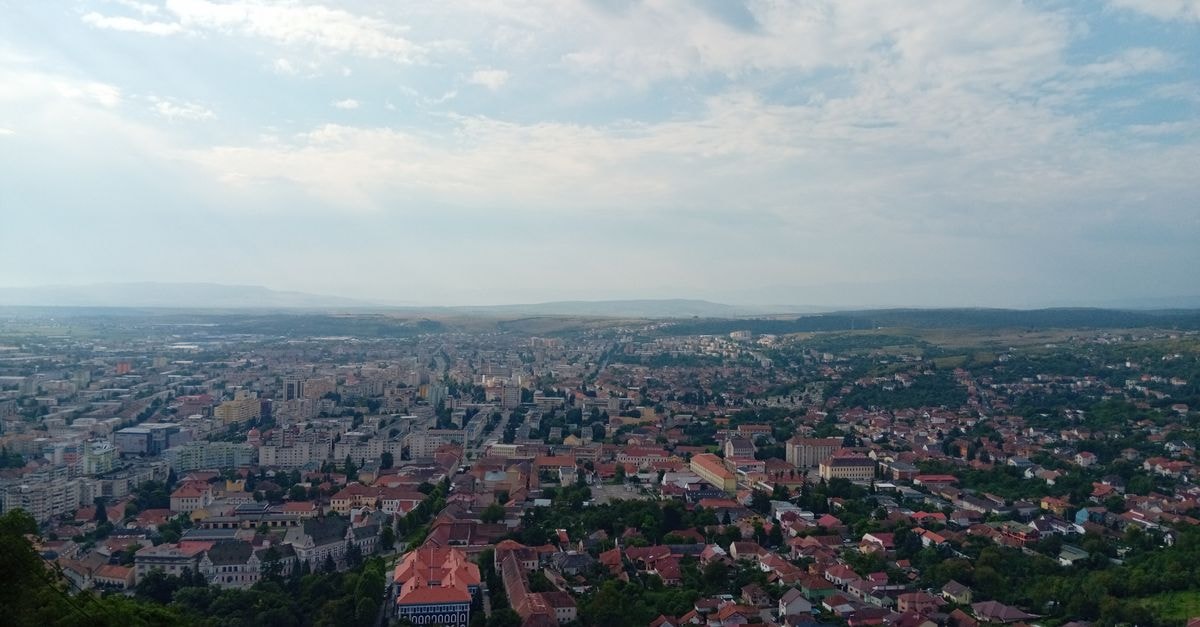
A first look at Penal-Debe

Penal-Debe sits in the southwestern stretch of Trinidad and is often described as the heartland of Indo-Trinidadian culture, a place where culinary traditions and community rhythms shape the everyday landscape (F5-1). For travelers who prefer unhurried stops over polished resort circuits, this corner of the island offers a different kind of discovery, the kind built around local flavors, quiet parks, and the easy warmth of small-town Trinidad.
Because Penal is a working regional center rather than a polished tourist town, it rewards visitors who arrive curious. Days here tend to feel relaxed, with a pace that invites lingering in one place rather than racing between attractions. The wider region of Penal-Debe falls within Trinidad and Tobago's national map, a useful reference point for understanding how the town connects to the rest of the country (F3-1).
Weather and seasonal context
Penal's climate leans tropical, with year-round warmth and the kind of humidity that softens the edges of a day. Travelers who like their sightseeing unhurried may appreciate that the dry season, typically running from December through April, is generally considered the most comfortable window for outdoor plans (F1-2). If you prefer to avoid the busiest crowds, consider asking locally about Carnival timing around February and March, when dry weather and major cultural events across Trinidad tend to draw national attention (F1-2). For travelers who don't mind occasional tropical showers, the wetter months still have their own lush appeal, with green landscapes and a slower local rhythm.
In any season, midday heat and humidity can feel heavy, so consider pacing the day with a long midday break, a shady stop, or a slow lunch before resuming sightseeing. Travelers who enjoy green spaces often gravitate toward Penal Park, a tranquil escape into nature that offers a peaceful contrast to busier town streets and is well suited to visitors seeking a quiet retreat while exploring the wider southern Trinidad area (F4-2).
A simple practical note: Penal is generally considered a place where travelers should exercise normal caution in public areas, as petty crime exists, and isolated spots are best avoided at night (F1-1). Like in much of Trinidad, staying aware of surroundings and choosing well-trafficked spots after dark is a sensible baseline.
Getting around
Within town, short rides by car or taxi tend to be the simplest way to move between neighborhoods, the park, and local eating spots. Travelers who enjoy slow exploration on foot often find the central streets manageable, though having a local contact or driver on hand can make longer days more relaxed.
Attractions and planning
The Penal-Debe region itself is part of Trinidad and Tobago's broader local geography, and understanding where it sits in the country helps frame a visit (F3-1). The town's strongest draws are its cultural atmosphere and its green spaces. Penal Park is the most clearly identified natural retreat in the area, a tranquil spot for travelers who want a peaceful pause between cultural explorations (F4-2). Bring water, take your time under the shade, and let the park serve as a calm counterpoint to the liveliness of town life.
For travelers drawn to food and cultural texture, Penal-Debe's identity as a hub of Indo-Trinidadian heritage means visitors can expect to encounter the wider Trinidad and Tobago culinary culture through local eateries and community spots, with roti, curries, and street-side snacks forming part of the everyday landscape (F5-1). If you prefer authentic, locally rooted meals over polished restaurant settings, this corner of Trinidad tends to deliver exactly that, though the specific dishes available on any given visit will depend on where you choose to eat.
When planning days, consider keeping the schedule simple. A relaxed morning exploring the town, a long lunch, an afternoon at Penal Park, and an early evening stroll tends to capture the rhythm of the area without rushing it. Travelers who dislike packed itineraries often find that Penal-Debe rewards a slower approach.
Picking what fits your trip
Because Penal-Debe is more of a cultural and community stop than a sightseeing checklist, the right fit depends less on hitting every landmark and more on matching the town's rhythm to your own. Travelers who value food heritage, green spaces, and a small-town pace may find Penal-Debe a refreshing change from busier Caribbean stops. Those who prefer dense tourist infrastructure or a wider range of guided attractions may want to balance a Penal-Debe visit with time in a larger Trinidadian hub. Travelers sensitive to humidity may want to plan outdoor time for the cooler parts of the day, and anyone arriving during Carnival season should expect the wider region to feel livelier than usual (F1-2). Travelers who prioritize quiet mornings may prefer staying just outside the main center, where more affordable options can still keep transport and amenities within reach (F2-2).
A few things to verify before you go
Because this guide is intentionally evergreen and evidence-bound, a few practical details are best confirmed closer to your trip: current accommodation availability and pricing in the Penal-Debe area, the latest local transport options for getting around southern Trinidad, and any updates regarding safety guidance or local advisories. Conditions can shift, so checking official channels before departure is always a sensible step.
Share this article
TOOLS FOR THIS PLAN
Make the Penal plan measurable
Choose a tool only when it answers the next question in your trip. Your values stay in the browser, and each tool offers a route back to this planning context.