A first impression of Penza

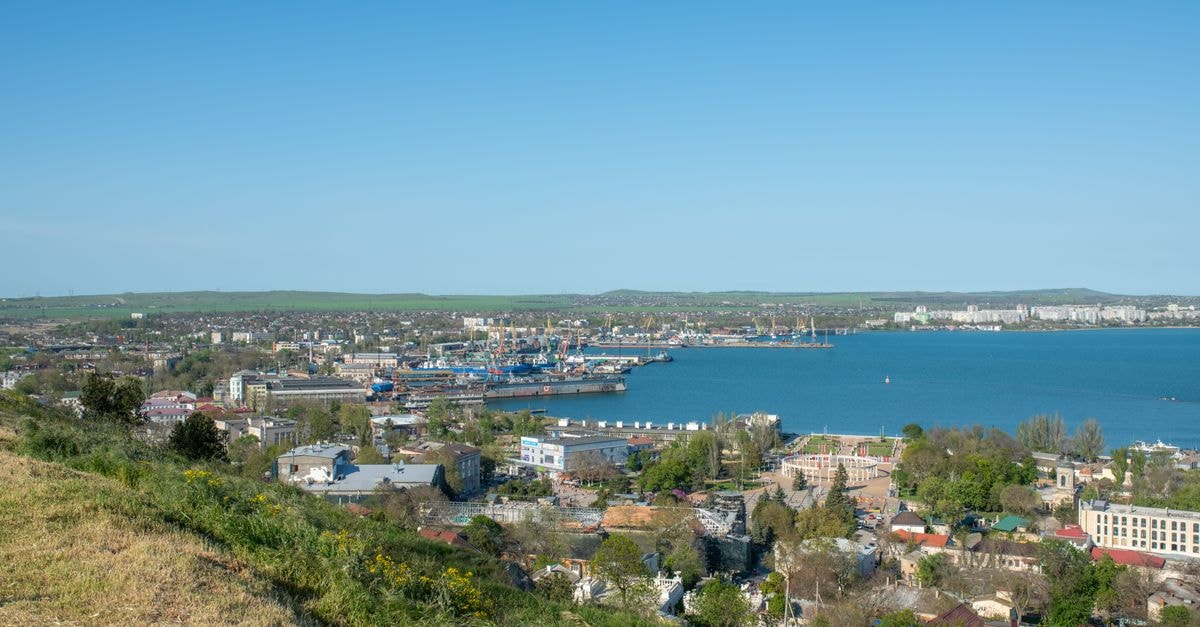
Penza sits in the Volga Federal District of European Russia, a regional capital that rarely shows up on first-time Russia itineraries and that is part of its quiet charm. It is the kind of place where the rhythm feels a touch slower than the big gateway cities, and where you can settle into a neighborhood café or a leafy square without the usual rush. For a traveler who enjoys stepping off the main tourist trail, Penza offers a gentle, walkable introduction to provincial Russian life, with a small but meaningful set of cultural stops and an honest food scene rooted in familiar Russian staples.
This guide focuses on the practical layer of a Penza visit: how to move through the city, what kind of cultural institutions anchor a day of sightseeing, and what to expect when you sit down to eat. It is written as evergreen city guidance, so the focus stays on durable, well-supported facts rather than on any particular window of time.
Getting around
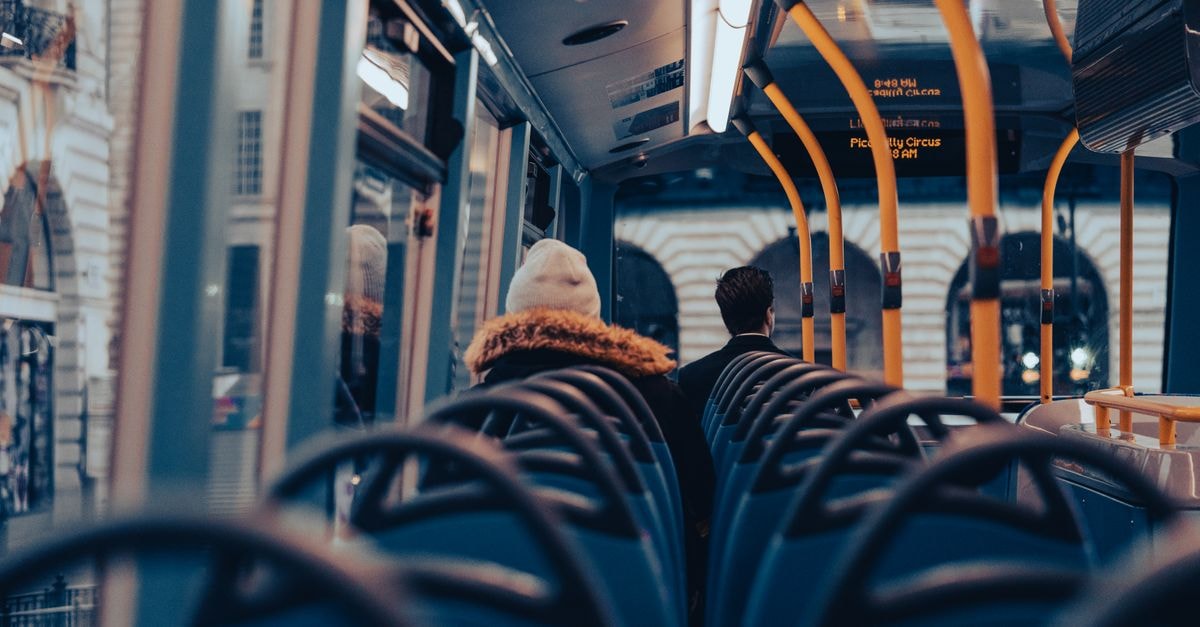
Penza is compact enough that layering a few transport options tends to work better than committing to a single one. The city's public bus network is the most everyday way to connect different districts, and buses can be a useful option for reaching parts of the city that feel a little farther from where you are staying. They are the workhorse of intra-city travel, running through the wider road system and linking residential areas with the central parts of town.
Taxis and ride-sharing are also widely available and tend to come into their own when you are heading somewhere that feels like a stretch on foot, or when you are out later in the evening. Door-to-door service like this can save you the mental math of figuring out a bus route after a long day of sightseeing, and it pairs nicely with daytime bus rides for shorter hops.
A reasonable rhythm for a Penza day is to walk the central core in the morning, hop on a bus for a cross-town move, and keep a taxi or ride-share app saved for evening returns. That mix tends to feel natural in a regional capital of this size.
Attractions and planning
Penza's cultural life centers on a small group of institutions that anchor a short, satisfying sightseeing day. The Penza Regional Museum of Local Lore is a natural starting point, with extensive collections covering regional history, nature, and culture. For a traveler who wants context before wandering the city, it is the kind of place that helps the streets make sense afterwards, because the exhibitions frame the landscape, the people, and the everyday objects of the surrounding region.
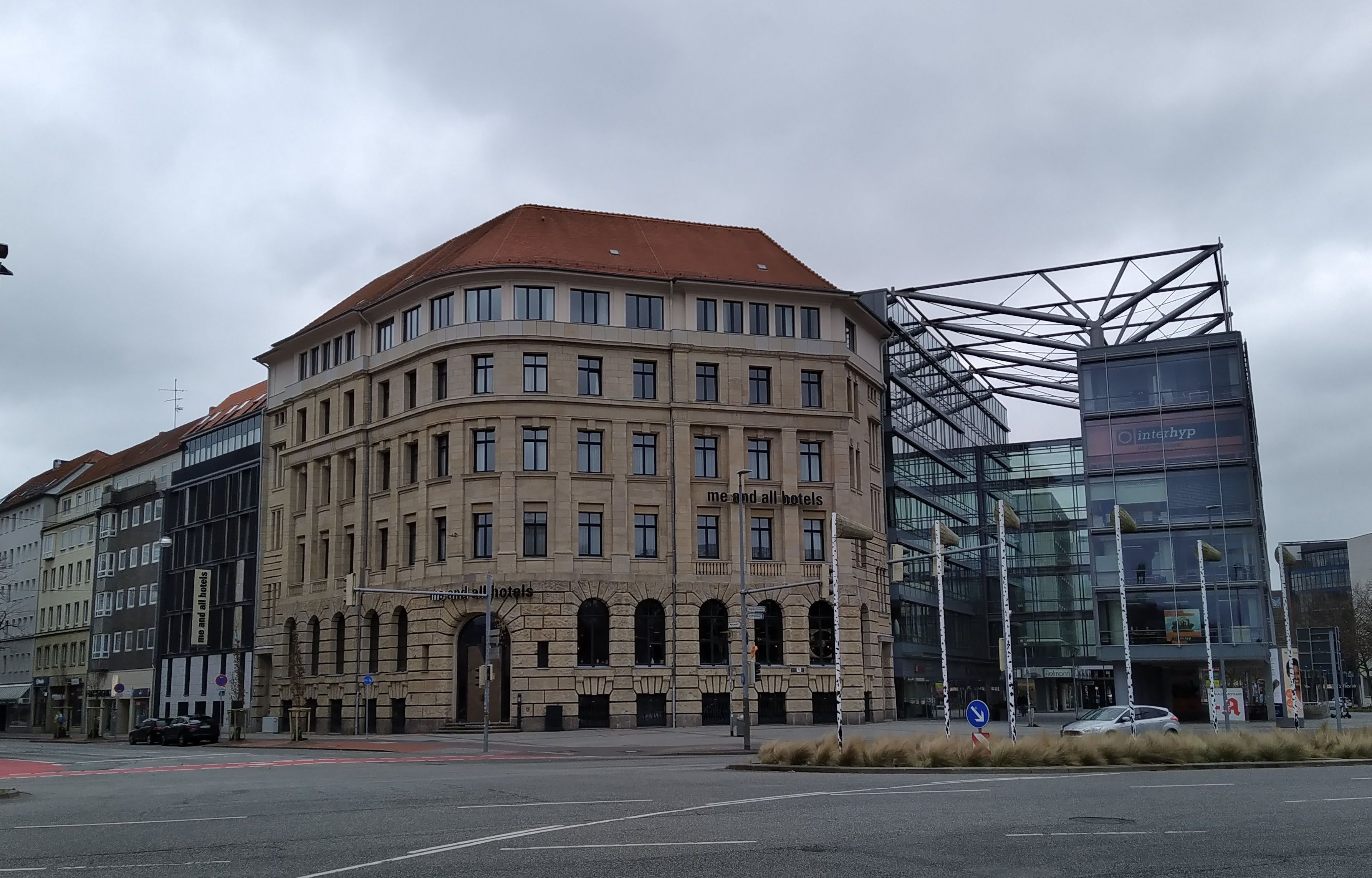
Beyond the museum, the city has a broader spread of famous landmarks, monuments, and sightseeing points that are worth approaching with a little planning. Rather than trying to tick every sight off a list, a slower approach tends to suit Penza well: pick one or two anchor stops, leave room for the parks and squares that sit between them, and treat the rest as discoveries along the way.
For ticketing and tour arrangements, online platforms such as GetYourGuide can be a useful way to streamline visits, especially if you want to secure a timed entry or join a guided walk rather than showing up and hoping for the best. Booking ahead through a familiar platform is a low-effort way to reduce friction, and it leaves more of your energy for the actual experience once you are there. Because opening hours and temporary schedules can shift, it is sensible to confirm details through an official channel close to your visit.
A relaxed day in Penza might look like a morning at the Regional Museum of Local Lore, a walk through the central area with its monuments, and a softer afternoon spent in a park or a café. That shape of day tends to leave you refreshed rather than rushed, which is the right tone for a city of this size.
Food and local context
Penza's food scene is rooted in the broader culinary traditions of European Russia's Volga Federal District, with an emphasis on fresh, seasonal ingredients and the kind of hearty, familiar dishes that define much of central Russian home cooking. This is a city where you are more likely to find a well-made bowl of soup and a slice of dark bread than a tasting menu, and that simplicity is part of the pleasure.
Two soups in particular tend to appear across menus and home kitchens in this part of Russia: borscht, the beetroot soup with its deep color and gentle sweetness, and shchi, the cabbage soup that has fed generations of Russian tables. Both are commonly served with smetana, a soured cream that adds a cool, tangy finish, alongside rye bread. If you are new to Russian food, ordering one of these soups with smetana and bread is a quietly perfect way to anchor a first meal in Penza, and it is the sort of dish you can find in cafés, canteen-style spots, and more traditional restaurants across the city.
The Volga Federal District framing is worth keeping in mind as you eat your way around Penza. The region is known for dishes that rely on what is in season locally, which means menus can shift through the year, and a soup or a salad that feels especially good one week may be replaced by something sturdier when the weather cools. It is the kind of food culture that rewards a little curiosity and a willingness to ask what is fresh.
Because the supported evidence for Penza's dining scene is limited to these general notes, it is better to arrive with an open mind than a fixed checklist. Let the menu and the season guide you, and treat each meal as a small window into the wider food culture of the Volga region rather than a hunt for a specific named dish.
Practical notes for a smooth visit
A few small habits tend to make a Penza visit feel easy. Keeping a small amount of cash on hand is useful for bus fares, market-style stops, and smaller cafés, even where card payments are common, because acceptance can vary by venue. A translation app on your phone, set to Russian, can smooth over menus and signs that do not appear in English. And because opening hours and transport timetables can change, a quick check through an official source or a confirmed booking platform before you set out is time well spent.
If you are arriving by air, give yourself a little buffer between your flight and any timed museum visit, since regional airports can involve a longer walk or wait than expected. If you are arriving overland, the central station and main bus terminal are both within easy reach of the central districts where most of the sights sit.
Above all, Penza rewards a slower pace. It is a city that opens up when you stop hurrying, when you let a meal run a little long, and when you give the parks and squares the same attention you give the museums. That is the version of the city that tends to stay with people longest.
A note on accuracy
Travel conditions change. Factual details such as opening hours, transport routes, ticket availability, and accepted payment methods can shift between this guide being written and a reader's actual visit. Treat the information here as a starting point, verify anything that materially affects your plans through an official channel or a current booking platform before you travel, and check the live exchange rate if you are budgeting in a non-Russian currency.
Share this article
TOOLS FOR THIS PLAN
Make the Penza plan measurable
Choose a tool only when it answers the next question in your trip. Your values stay in the browser, and each tool offers a route back to this planning context.