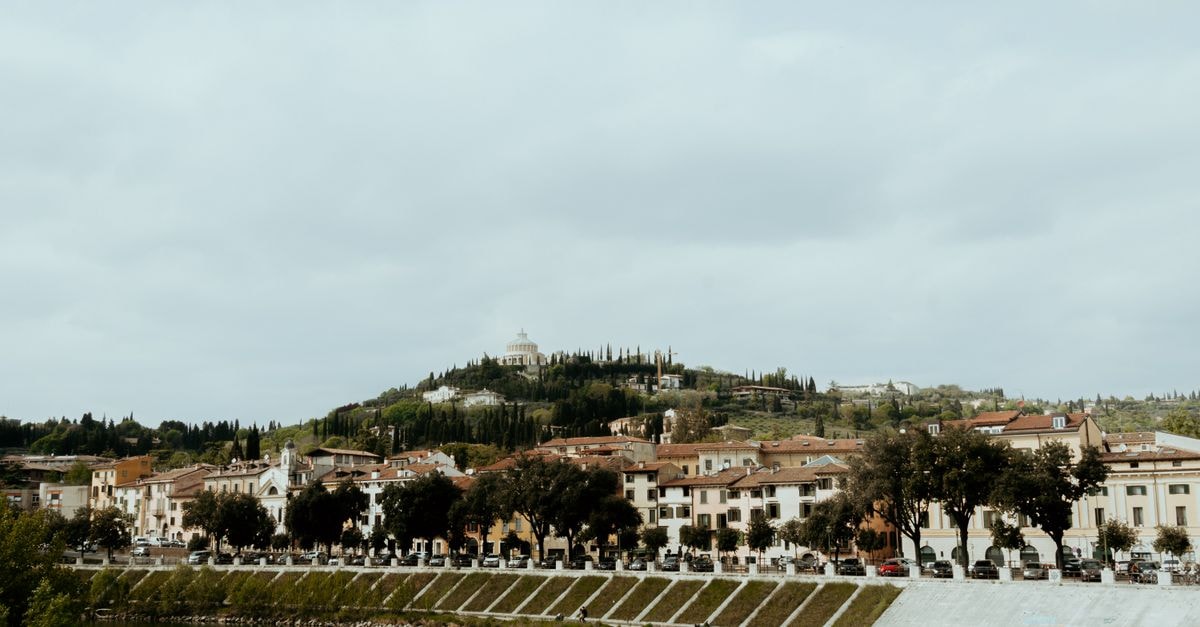
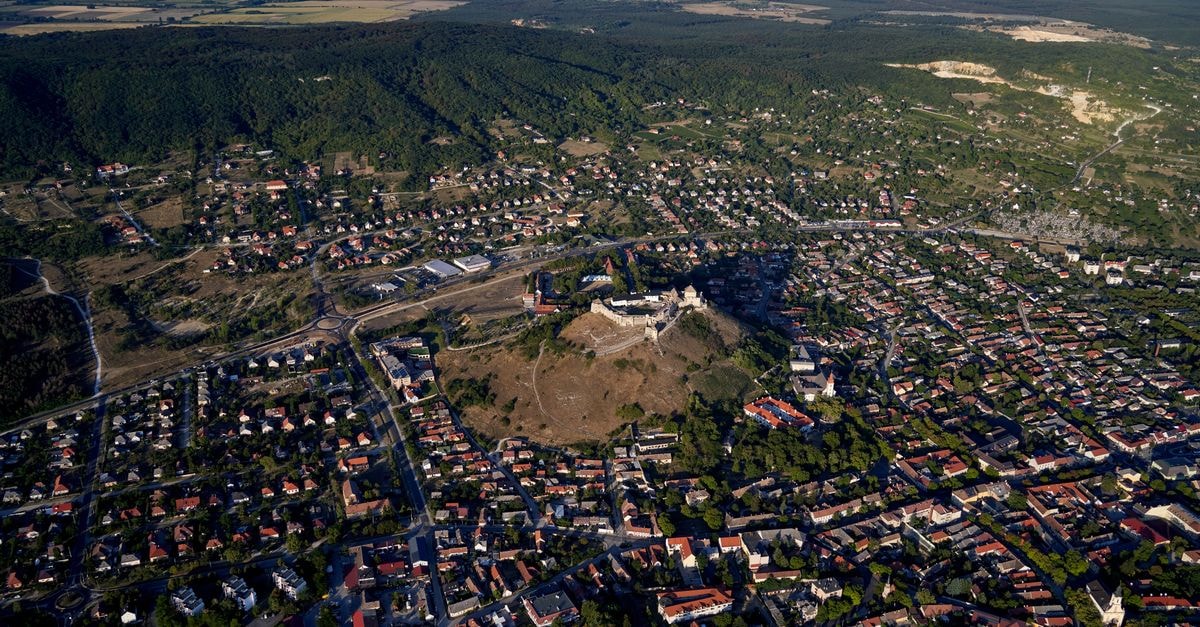
Perugia rises like a terracotta crown above the Umbrian hills, a stone city of medieval alleys, Renaissance frescoes and easygoing piazzas. There is something about walking here that invites slowness: a pause on a worn staircase, a glance at a quiet courtyard, the slow turning of a museum room. This guide leans into that mood, gathering practical notes for travelers who want to feel a city's rhythm rather than race through it.

Weather and seasonal context
The honest truth is that Perugia's hilltop setting shapes the day as much as the calendar does. Mornings tend to arrive with clear light and softer temperatures, and early risers are rewarded with quiet streets and that soft golden glow that makes stonework glow (F2-1). Because the city climbs a hill, those willing to be out early will find that the steep alleys feel more forgiving and the views unfold before the day warms up. If you prefer gentler pacing, consider easing into major visits after sunrise and saving longer walks for cooler parts of the afternoon.
Rain is always a possibility in central Italy, so a compact umbrella and shoes with some grip are practical rather than optional. Cobblestones in the historic center become slick when wet, which can make the climb between the lower city and the upper town feel more demanding than usual. A light layer is useful too, since evenings on the hill can feel cooler than the surrounding valleys, especially after a long day of galleries and chapels.
For art lovers, the city's indoor treasures offer a natural rhythm for the day. The Galleria Nazionale dell'Umbria sits inside the Palazzo dei Priori and gathers Umbrian masterpieces across medieval rooms, with works by Perugino and other regional artists that reward unhurried looking (F4-1). Not far away, the Museo Archeologico Nazionale dell'Umbria is set in the former convent of San Domenico, near one of the city's oldest quarters, and holds Etruscan, Roman and prehistoric finds (F4-2). Pairing these two stops lets travelers with a cultural focus move between painting and archaeology without leaving the historic core.
The Basilica di San Francesco is one of those places that deserves more than a quick stop. Plan time for both the upper and lower churches, then drift through the surrounding medieval alleys for quiet moments between visits (F2-2). Travelers who prefer contemplative stops over busy sight schedules may find this combination especially rewarding.
Getting around
Perugia rewards walking, but the terrain asks something in return. Streets climb and dive, stairways appear unexpectedly, and the medieval layout can turn a short distance into a real climb. Comfortable shoes are practically a requirement, and a small daypack leaves hands free for the steeper alleys.
For travelers arriving by train, train routes into Perugia are available from Venice and from Genoa through Omio, with Intercity service advertised from $16 (€13) out of Venice and from $21 (€17) out of Genoa (F5-1, F6-1). Travelers based in Rome can reach Perugia on a Regionale train service out of Fiumicino, as listed on Omio (F4-1). Because schedules and platforms are best checked close to travel dates, consider confirming the exact train and transfer details through the rail operator on the day.
Within Perugia itself, the compact scale minimises the need for taxis or local transit on most days. The historic center is best explored on foot, and many of the key stops sit within an easy walk of each other. For art-focused travelers who want to slow down, the natural plan is a morning in the Galleria Nazionale dell'Umbria within the Palazzo dei Priori, an afternoon in the former convent of San Domenico that houses the archaeological museum, and an unhurried stop at the Collegio del Cambio, which Omio describes as a richly decorated chapel with Perugino frescoes, a jewel of Renaissance painting and one of Perugia's most rewarding intimate visits (F4-1, F4-2, F6-2, F5-2). That rhythm keeps most of the day inside cool, contemplative rooms and leaves the early evening for a gentle walk.
Before departure, a quick check
Live train schedules, current opening hours and any ticket details for the Galleria Nazionale dell'Umbria, the Museo Archeologico Nazionale dell'Umbria and the Collegio del Cambio are best confirmed directly with each venue or official channel before travel. Prices, platforms and timetables can shift, and a short check turns a smooth day into a stress-free one. Conditions on the ground can change, so a quick look at official channels before departure is always wise.
Note: figures such as train prices in the source materials are reference points only, and exchange rates fluctuate; travelers should check the live rate when booking.
Share this article
TOOLS FOR THIS PLAN
Make the Perugia plan measurable
Choose a tool only when it answers the next question in your trip. Your values stay in the browser, and each tool offers a route back to this planning context.