A first hour that gently sets the tone

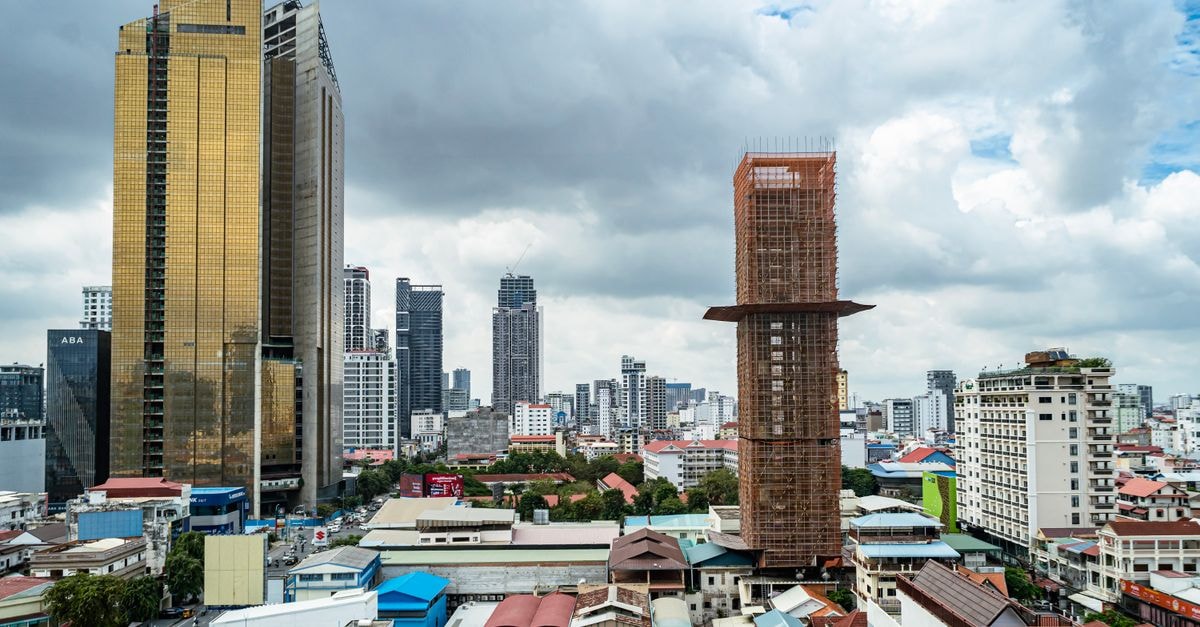
Phnom Penh has a way of slowing travelers down before they even realize it. The capital sits along the confluence of the Mekong and Tonle Sap rivers, and that watery frame lends the city a softer pace than its reputation sometimes suggests. Mornings tend to feel unhurried, with light skimming the riverfront before traffic picks up. Travelers arriving for the first time often notice how the streets layer old and new: weathered colonial-era facades beside modern cafés, quiet temples a short walk from bustling corners, and small kitchens sending up scents that drift well into the evening.
This guide is built for visitors who want a grounded, food-first sense of the capital, paired with an easy way to move around and one essential cultural stop to anchor the trip. It leans on durable, evergreen information rather than month-specific advice, so the notes here should stay useful across many visits.
Getting around the capital
The public transport story in Phnom Penh begins with the city bus network. The system is a government-run service designed to give residents and visitors an affordable way to move between neighborhoods without relying on cars or motorbikes. For travelers, that translates into a low-cost option for crossings that might otherwise feel expensive or slow in traffic. Routes serve many of the central districts a visitor is likely to want to reach, including the riverfront area, market zones, and several outlying neighborhoods where everyday Khmer life plays out away from the main hotel strip.
The single most useful habit for first-time riders is to download the official city bus app before stepping onto a stop. The app provides real-time tracking of routes and approaching buses, which makes a noticeable difference in a city where waiting times can otherwise be a guessing game. Once the app is set up, the experience becomes much closer to using any other modern transit system: pick a route, watch the bus approach on the map, and pay on board. Because the service is part of the municipal transport offering, fares tend to sit well below the cost of a tuk-tuk or rideshare for similar distances, which matters for travelers planning a multi-day stay on a modest daily budget. Holding a small amount of local cash for the fare is a sensible move, since on-board payment in cash is the standard way to ride.
For journeys where the bus network does not fit, such as a late return to a hotel or a quick hop between two close points, the usual pattern of tuk-tuks and ride-hailing apps still applies. The bus is best treated as the daily backbone for longer cross-city moves, with other options filling the gaps.
A cultural stop worth building a day around
Planning the visit well is its own kind of respect. Travelers often pair the museum with slower, restorative moments afterward: a calm café, a walk along the riverfront, or simply a longer lunch that lets the morning settle. Because the experience is emotionally heavy, it usually makes sense to keep the rest of the day light. A practical rhythm is to visit in the morning hours when the air is cooler, then shift to gentler activities later, giving space for reflection without rushing straight into the next sight. Modest dress and a quiet, attentive attitude are widely appreciated at memorial sites of this kind.
Beyond this single essential anchor, the broader visitor pattern in the capital leans on a mixture of pagodas, riverfront walks, and small neighborhood wanderings. The easiest way to let the city reveal itself is to pick a few pockets of interest rather than chase a packed list.
Food and the wider Khmer table
The food scene in Phnom Penh is often described as one of the most approachable in the region, precisely because the city itself feels like an ongoing tasting menu. The capital's cuisine is widely framed as a fusion of flavors, spices, and ingredients drawn from Cambodia's rich cultural heritage, layered over a long history of regional exchange. That breadth shows up at street level, where small stalls serve single dishes with quiet confidence, and again in sit-down rooms where cooks take a little more time with the same flavor families.
Street food stalls sit alongside more intimate dining spots, and the combination is part of the point. Travelers who wander rather than fix a plan tend to eat best here, since the most memorable meals often arrive as the result of a small detour, a friendly counter, or a recommendation passed along by a guesthouse. The wider Cambodian culinary tradition that the capital sits inside has roots in indigenous Khmer flavors, with influences from neighboring countries and a French colonial layer that still shows up in bread, coffee, and certain pastries. That context helps explain why the food feels both familiar and slightly unexpected to visitors arriving from elsewhere in the region.
A relaxed approach to mealtimes suits the city. Lighter breakfasts, a long lunch when a memorable stall appears, and a flexible dinner can easily fill a day without a fixed list. Travelers who want to be thorough often look for a small set of categories rather than chasing specific names: a bowl of soup-style noodles, a rice dish with herbs and grilled meat, a Cambodian-style breakfast, and at least one dessert or sweet snack that reflects the French-Khmer overlap. Sampling across these categories tends to give a wide, satisfying sense of the local table without locking visitors into a single venue.
Where the bus, the museum, and the kitchen meet
The reason these three themes sit together in a short guide is that they reinforce each other. The bus network gives visitors the freedom to move between neighborhoods without burning through a daily budget, which leaves more room for slow meals and considered museum visits. The museum gives the trip its emotional gravity and historical depth. The food gives the days their rhythm, a steady stream of small, delicious reasons to wander.
A loose shape for a first visit might be to set aside the better part of one day for the museum and its quieter aftermath, then let the bus do the work on other days, threading neighborhoods together and stopping where kitchens and small shops draw attention. Travelers with a few extra days can use the same approach to fan out beyond the center, since the bus network is built to connect the wider capital, not just the postcard corners.
Practical notes for independent travelers
A few evergreen habits make the trip smoother without requiring any month-specific planning. Keep a small amount of local cash for buses, market stalls, and tiny eateries that may not handle card payments. Hydrate generously, especially on days that involve a lot of walking between sights. Treat the museum visit, and other memorial sites, as quiet, reflective spaces rather than photo backdrops. Lean on the official bus app for real-time route tracking rather than estimating arrivals on your own. Above all, leave enough unstructured time in each day for the unplanned stalls, riverside benches, and small conversations that often turn into the best memories of a Phnom Penh visit.
Like any living city, Phnom Penh is always in mild flux. Routes, fares, museum operating conditions, and culinary hot spots can shift over time, so it is worth checking official channels or up-to-date resources shortly before departure to confirm the details that matter for a specific trip. The notes in this guide are meant as a calm starting frame, not a final checklist.
Share this article
TOOLS FOR THIS PLAN
Make the Phnom Penh plan measurable
Choose a tool only when it answers the next question in your trip. Your values stay in the browser, and each tool offers a route back to this planning context.