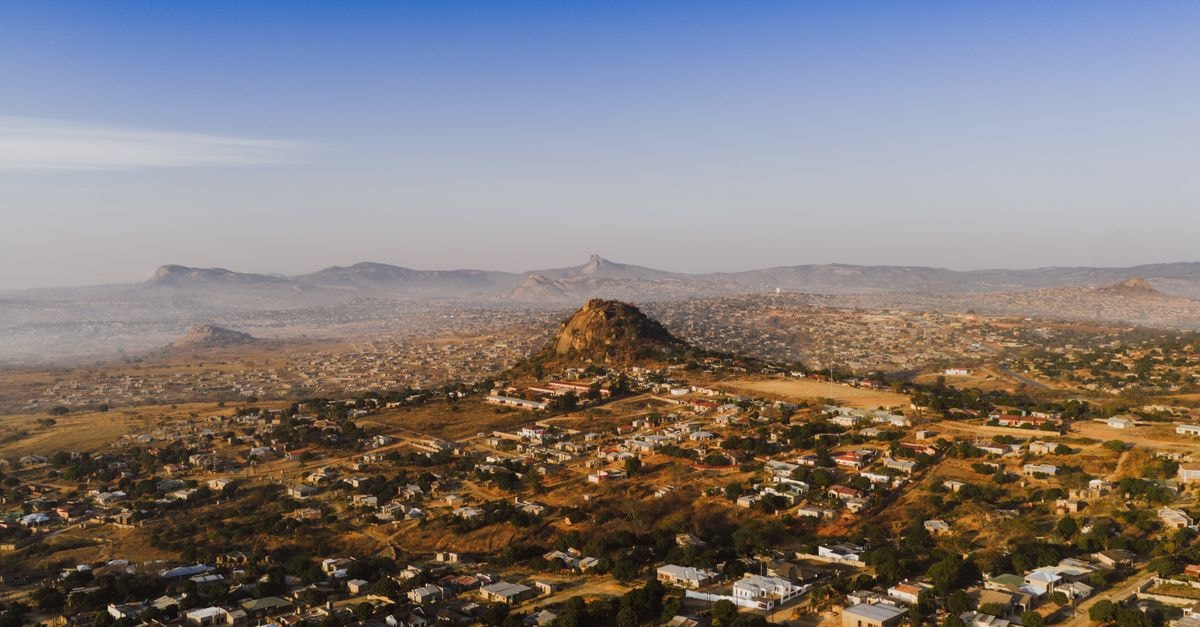
A first look at Pikine

Pikine sits just inland from Dakar, woven into the dense urban fabric that surrounds the Senegalese capital. For travelers who like to step beyond the postcard skyline and into the everyday pulse of a city, this suburb offers exactly that kind of texture. It is not a polished resort pocket or a curated heritage quarter; it is a working, densely populated neighborhood where Dakar life continues in motion. Approaching it with curiosity rather than a checklist tends to be the right mindset.
Because Pikine is a suburb rather than a standalone tourist district, planning here is less about chasing a marquee landmark and more about understanding how the capital's rhythm extends outward. That shift in framing is useful before you arrive, and it shapes how the rest of this guide is organized.
Attractions and planning
Pikine is described in travel sources as a densely populated suburb of Dakar, positioned inland from the capital. That single fact carries more planning weight than it first appears. Visitors who imagine arriving at a tidy enclave with a central square or a single signature sight will need to reset their expectations; instead, the suburb unfolds as part of the wider Dakar metropolitan area.
For travelers, this changes the question from "what is the headline attraction" to "how does Pikine fit into a broader Dakar visit." Many of the cultural institutions, coastal viewpoints, and historic landmarks that draw visitors to Senegal tend to be anchored in central Dakar and its nearby waterfront, which means Pikine often plays a supporting role: a place to observe daily routines, sample everyday Wolof-rooted cooking, and get a sense of how residents of the capital actually live. Travelers who prefer concentrated sightseeing hubs with a tight cluster of museums and monuments within walking distance may want to weight their central-Dakar time more heavily, and treat Pikine as a complementary stop rather than a primary base.
Practical logistics, including exact transit options, timetables, and fare details for getting between Pikine and central Dakar, are best confirmed locally on arrival, since the approved source material does not document specific routes or schedules. Keeping plans loose in this suburb is generally wise.
Food and local context
The Wolof thread in Senegalese cooking
Senegal's food culture does not announce itself with the aggressive spice of some West African neighbors or the refined technique of North African kitchens. That observation, drawn from a national overview of Senegalese culinary traditions, is a useful starting point for visitors approaching a plate in Pikine. The flavors tend to be layered rather than hot, built on slow-cooked bases, tomato-rich sauces, and grains that have shaped the country's cooking for generations.
The soul of Senegalese food, the same source notes, remains Wolof: fish from the cold Atlantic current, millet and sorghum from the Sahel, and mangoes and cashews from trees that line rural roads. Diners in and around Pikine are likely to encounter this foundation on local plates, because the surrounding capital and its suburbs are part of the same national cuisine. Visitors who like to understand what is on the plate before they order will find it helpful to recognize those three pillars: a coastal protein tradition, a Sahel grain tradition, and a tree-fruit tradition. Together they explain why a simple bowl of rice can arrive with fish, why millet-based porridges and couscous-style grains appear across menus, and why fresh fruit is so often part of the everyday table.
Markets and the rhythm of the day
The bustling markets of cities like Dakar are part of how the country introduces itself to visitors, alongside places such as Gorée Island and the pink waters of Lake Retba further afield. In Pikine, the same national appetite for market life applies, though the specific stalls, vendors, and opening hours are not documented in the available source material. Travelers who love market wandering should plan time for it in the cooler parts of the day and treat the experience as a guided exploration rather than a stop-by-stop itinerary.
A practical note for anyone visiting during the warmer months: the broader Senegal climate pattern suggests that midday heat can feel heavy, and pacing market visits toward morning or late afternoon is a sensible habit. Visitors who find hot, humid conditions tiring may want to break market time into shorter stretches with shaded pauses in between.
Hospitality and etiquette at the table
Refusing food or hospitality is considered one of the worst social faux pas. This single etiquette point matters more for the texture of a Pikine visit than almost any other cultural detail. If a host, a vendor neighbor, or a fellow diner offers a taste, a drink, or a seat, accepting graciously is the right move. The gesture is part of the welcome, not a transaction.
Travelers who are unused to communal eating or to receiving spontaneous offers of food may want to prepare a small mental script in advance: a warm thank-you, a willingness to try a small portion, and patience while the host explains what is being served. Travelers with strict dietary requirements may find it helpful to communicate those needs early and politely, since the social pressure to accept what is offered is genuine.
Choosing what fits your trip
A short note on tradeoffs. Pikine suits travelers who want to observe the everyday texture of greater Dakar rather than concentrate their time in a single heritage district. It is a comfortable fit for visitors who appreciate Wolof-rooted Senegalese cooking, who enjoy market energy, and who are comfortable accepting hospitality on local terms.
It may fit less well for travelers whose primary goal is a tightly packed schedule of headline monuments and who want most sights within short walking distance of one hotel. Because the approved sources describe Pikine as a dense suburb rather than a curated attraction cluster, visitors with that priority may prefer to anchor centrally in Dakar and treat Pikine as a day or half-day addition. Travelers who dislike heat or who prefer air-conditioned sightseeing blocks should also plan their outdoor time around the cooler hours.
A verification note before you go
Because travel conditions shift over time, it is worth checking current transit options between Pikine and central Dakar, the local status of any market or venue you intend to visit, and up-to-date guidance on food and hospitality customs before you depart. Official Senegalese tourism channels and your accommodation host are usually the most reliable sources for the specifics that this guide cannot confirm.
Currency, weather, and seasonal conditions are also worth a quick live check on the day. Rates, temperatures, and local advisories can all change, and the broader country context described above should be paired with the latest information available at the time of your trip.
Prices, opening hours, schedules, reservation rules, and local conditions can change; verify them through official channels before departure.
Share this article
TOOLS FOR THIS PLAN
Make the Pikine plan measurable
Choose a tool only when it answers the next question in your trip. Your values stay in the browser, and each tool offers a route back to this planning context.