Destination overview

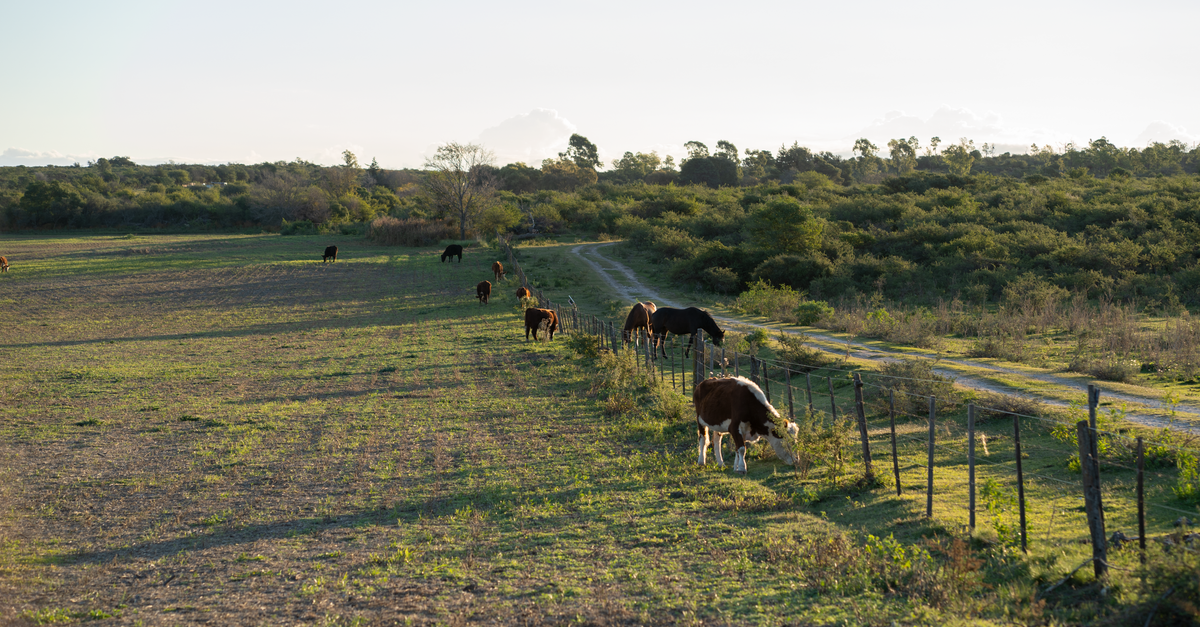
Pilar sits at the southwestern tip of eastern Paraguay, in the Ñeembucú department, where the Paraguay and Paraná rivers converge. The city acts as an important center of commerce and government for the far southwestern region of the country, and visitors often arrive expecting a quieter alternative to busier Paraguayan hubs. Travelers tend to describe Pilar as a friendly, walkable place with a strong local character, offering an authentic slice of everyday Paraguayan life away from the main tourist trails.
Because Pilar is positioned on a wedge of land pointed at the Argentine Mesopotamia, the city has a natural sense of openness. Rivers frame daily life, the streets feel easy to navigate on foot, and the pace tends to reward visitors who arrive curious rather than rushed. It is the kind of destination where you slow down, listen, and let the geography do most of the storytelling.
Weather and seasonal context
Pilar has a subtropical climate that feels notably humid. Temperatures across the year typically range from around 12 °C on cooler days to about 35 °C during warmer stretches, so layering matters as much as sunscreen. Because the humidity lingers, even milder days can feel heavier than the thermometer suggests, and warmer days can feel longer than expected.
Practical advice tends to follow the climate rather than fight it. Mornings often work well for outdoor wandering, while the middle of the day invites a slower café stop or a shaded break. Lightweight, breathable clothing is sensible for everyday wear, with a light layer for air-conditioned interiors and cooler evenings. Travelers who prefer to walk the city rather than rely on vehicles will appreciate that Pilar's streets are considered walkable, though comfort depends a lot on the time of day in this humidity.
The rivers surrounding the city also shape the rhythm of a visit. Misty mornings over the water, bright midday light, and slower evenings all feel distinct here, and the climate encourages a flexible rather than rigid schedule.
Getting around
Pilar is positioned about 258 km from Asunción in some descriptions, and approximately 358 km in other sources reflecting different route measurements, which is a useful reminder that distances in this part of Paraguay can vary depending on the path taken. The city itself is compact enough that walking is a practical way to get a feel for the streets and meet the friendly local community that characterizes the area.
The most distinctive transport feature in this part of the country is the border crossing. The Pilar ferry connects the city across the river to Formosa province in Argentina, and the surrounding Ñeembucú region is often described as a wedge-shaped triangle of wetlands pointing toward the Argentine Mesopotamia. For travelers who want to combine a visit to Pilar with a step into Argentina, the ferry is the natural link, though crossing requirements and schedules can shift, so it is worth checking the latest details with official channels before traveling.
Within the region, the wetlands and river landscape influence how people move. Roads can feel long between communities, and the rivers themselves are part of the transport story. Renting a vehicle or arranging local transport can expand what you see, but the city core rewards those who explore it on foot first.
Food and local context
Pilar sits inside a country with a rich, distinctive food culture, and visitors can expect to encounter wider Paraguayan culinary traditions while spending time in the city. Across Paraguay, two official languages shape everyday life: Spanish and Guarani, with Guarani being the most widely spoken. This bilingual rhythm often shows up in markets, menus, and casual conversation, and recognizing a few Guarani words can make small interactions feel warmer.
Grilling is a defining Paraguayan cooking method, often used for large cuts of meat such as tira de asado, which is a popular dish across the country.
Practical travel notes
Pilar rewards a slower pace. Walking the streets, sitting near the rivers, and chatting with residents tend to reveal more of the city's character than a packed schedule. The walkable layout means that a single base in the center of town can work well, with most everyday sights, services, and food options within easy reach on foot.
Language is part of the texture here. Spanish will carry you through most interactions, and hearing Guarani in everyday speech adds a layer of place that makes Pilar feel distinct from other Paraguayan cities. A few polite phrases in either language go a long way.
The border position is worth thinking about early in the planning process. Travelers interested in crossing to Formosa in Argentina should look into the ferry, current border procedures, and any documentation requirements well in advance, and reconfirm details closer to the trip since conditions can change.
Finally, keep expectations open. Pilar is not a city built around a checklist of headline attractions. It is a riverside community with a strong local identity, a humid subtropical climate, and a position at a fascinating geographic crossroads. Visitors who arrive ready to walk, listen, and eat well tend to leave with a quiet, lasting impression of this corner of Paraguay.
*Travel conditions can change, and details such as border procedures, transport availability, and local services should always be reconfirmed through official channels before departure.*
Share this article
TOOLS FOR THIS PLAN
Make the Pilar plan measurable
Choose a tool only when it answers the next question in your trip. Your values stay in the browser, and each tool offers a route back to this planning context.