Finding the Quiet Pull of Pingliang
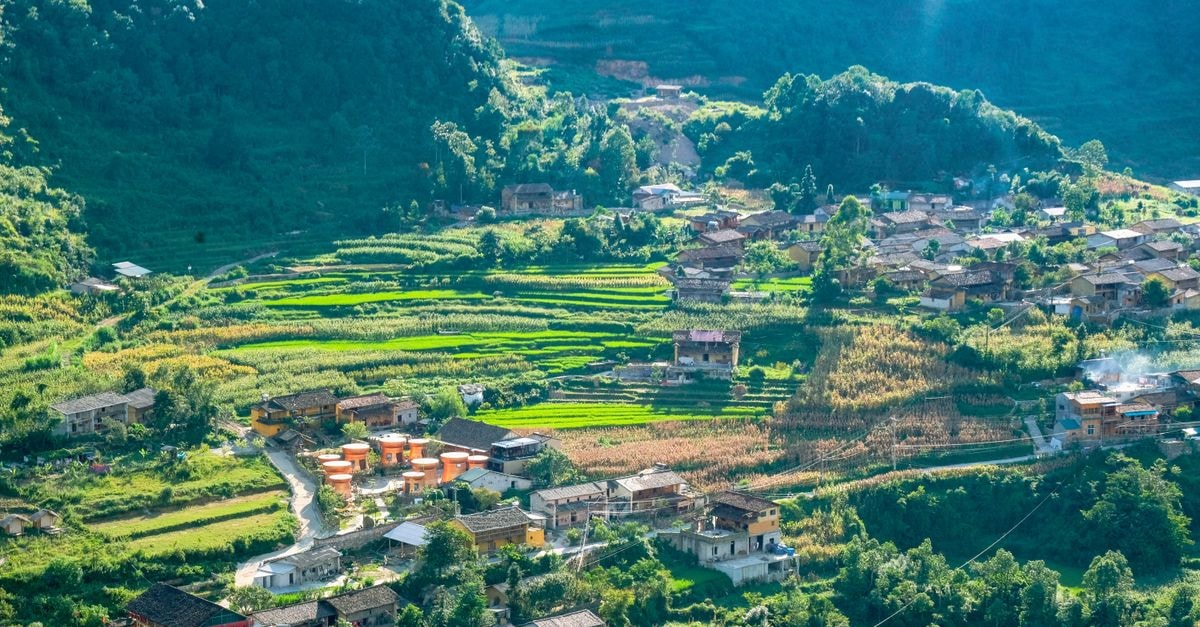
Pingliang sits in the eastern stretch of Gansu province, a place that rarely shows up on first-time China itineraries and feels all the more intriguing for it. The city carries the texture of inland northwest China: open skies, a slower street rhythm, and a sense that heritage here is lived rather than displayed. It is the kind of destination that rewards travelers who prefer depth over checklists, the sort of visitor who enjoys a museum with real character as much as a bowl of noodles that clearly belongs to a place.
This guide leans into the two threads the evidence supports best: the cultural depth that runs through the surrounding countryside, and the food culture that ties Pingliang to its wider northwestern neighbors. Weather context is included to help you think about layering and pace rather than to promise a forecast.
Weather and Seasonal Context
Pingliang sits under a temperate semi-dry continental monsoon climate, with an annual average temperature sitting around 8°C. That single number does a lot of framing on its own. A semi-dry continental reading suggests crisp mornings, dry air for much of the year, and meaningful swings between sunny midday hours and cooler evenings. For travelers, that kind of climate usually translates into light layering rather than heavy outerwear for most daylight hours.
If you prefer destinations where humidity is low and the sky tends to stay open, this profile may suit you well. Travelers sensitive to cold evenings in shoulder seasons might consider packing a warmer mid-layer than they would for coastal China, even when daytime temperatures feel comfortable. The dry character of the climate also means lip balm and a little extra hydration often go further here than in southern cities.
Heritage Beyond the City Streets
Within Lingtai, the county museum stands out as a specific point of interest. It holds the largest collection of cultural relics among grassroots museums across Gansu province, a detail that matters because it suggests a depth of holdings well beyond what the term "county museum" might imply elsewhere. Visitors who enjoy small museums with surprising range may find this one rewarding, the sort of stop where a couple of unhurried hours reveal far more than expected.
Because this guide sticks to what the evidence supports, no claim is made here about entry fees, hours, or exact address. A short verification step before travel is a sensible habit for any traveler exploring county-level museums in inland China.
Food and Local Context
Food is positioned in the source material as a defining part of any visit, a useful clue about how strongly local cooking is tied to regional identity here. Pingliang's culinary scene is framed as something a traveler encounters rather than something they merely sample, which suggests that mealtimes are worth pacing into the day rather than squeezing between sights.
The city's cooking shares recognizable traits with Lanzhou and Xi'an, two of northwestern China's most influential food cities, while also carrying its own identity. The local repertoire includes unique noodle dishes, specific stewed meats, and preparations that are harder to find elsewhere. Travelers who enjoy noodle-focused meals and slow-cooked beef or lamb will likely feel right at home. If your travel style favors sampling several small dishes across a day, the regional variations give you room to do that, with noodle shops, stewed meat stalls, and casual counters often occupying different rhythms of the day.
Wider Chinese food culture includes the habit of pairing noodles or rice dishes with small shared plates, drinking hot water or tea with meals, and treating breakfast as a substantial meal rather than a quick stop. Visitors may encounter these patterns throughout the city, and they often ease the transition into local dining even without reading a menu in detail.
Because restaurant names, prices, and menus are not detailed in the supporting evidence, no specific establishment is recommended here. A traveler who treats this section as a prompt to ask locally about noodle specialties and stewed meat preparations will generally find the most rewarding meals.
Choosing What Fits the Trip
Pingliang reads, based on what the evidence supports, as a destination for travelers who value texture over volume. If your travel style leans toward heritage regions, small museums with serious collections, and food that feels rooted in its surroundings rather than standardized for visitors, the shape of the trip may start to draw itself. Travelers who prefer fast-paced urban itineraries, heavy nightlife, or a wide catalog of individually famous landmarks may find the city's rhythm quieter than expected, and that contrast is worth considering before booking long transit to reach inland Gansu.
The strongest pairing the evidence allows is between Lingtai's rural heritage and the food scene in the city itself, since slow mornings in a county museum often give way to noodle-heavy afternoons in town. If you prefer not to base yourself in a city, travelers with an interest in heritage landscapes might consider a rural-leaning stay in or near Lingtai, though specific accommodations are not covered here.
A Quick Note Before You Go
Details around museum hours, transport between Pingliang city and Lingtai County, and current restaurant options change over time and are best confirmed through official local tourism channels shortly before travel. Conditions on the ground, including ticket availability and weather in any given week, can shift in ways no static guide can fully capture. Treat the framing above as a starting point, then verify the specifics that will shape your actual day.
---
*This guide reflects the destination's general character based on available evidence and is intended for planning purposes. Practical details such as opening times, prices, and transport options should be confirmed with official sources before departure, as conditions can change.*
Share this article
TOOLS FOR THIS PLAN
Make the Pingliang plan measurable
Choose a tool only when it answers the next question in your trip. Your values stay in the browser, and each tool offers a route back to this planning context.