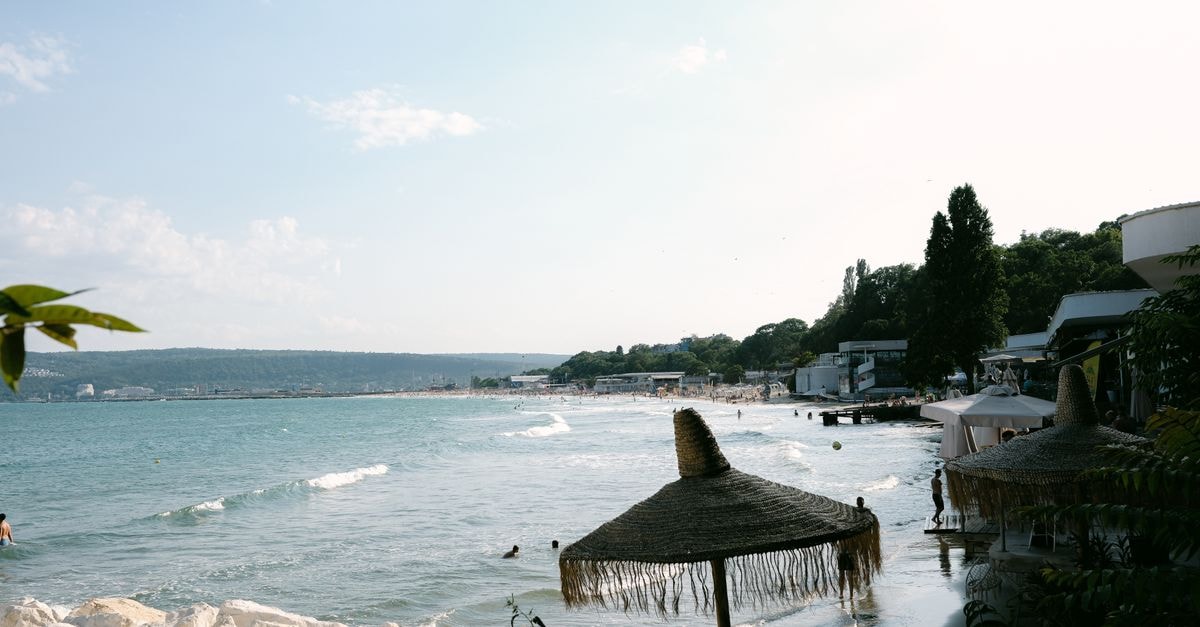
A first impression of Plovdiv

There is something quietly magnetic about Plovdiv. Tucked along the Maritsa River in south-central Bulgaria, it carries the weight of millennia in a compact, easy-to-walk footprint. Cobblestone lanes tumble down from a hilltop old town, while the rest of the city spreads outward in a relaxed urban hum. The pace here rewards travelers who like to linger over small details: a wooden balcony catching the afternoon light, the smell of grilled meat drifting from a corner spot, the murmur of conversation spilling out of a café onto the pedestrian street.
What makes Plovdiv special is the way so many centuries sit side by side. A Roman theater still hosts performances. A medieval fortress watches over the city. And the living, breathing rhythm of contemporary Bulgaria hums right alongside both. This guide leans into that layered feeling, the kind of trip where history is not behind glass but simply part of the scenery.
Weather and seasonal context
Plovdiv has a climate that shapes the texture of any visit, and it is worth thinking about timing before you arrive. Travel guides point to a specific stretch of the calendar as arguably the best window to visit Plovdiv, when the weather is pleasant and the city feels a little quieter than at peak season. That said, the shoulder and quieter seasons are not without appeal. Winter is described as having its own unique charm for visitors seeking a festive, hushed atmosphere, when the pace of the city slows and indoor cultural life comes forward.
Because this is an evergreen guide rather than a month-specific one, the practical takeaway is simple: lean toward the timing that matches your travel style. If you want sunlit hilltop walks and long evenings outdoors, aim for the stretch that sources flag as most pleasant. If you want a calmer mood, fewer crowds, and a cozier sense of the city, a quieter season can be its own kind of reward. Pack in layers either way, since Plovdiv's days and nights can swing in temperature, and pace your day around the strongest light, which is generally the most forgiving part to be on foot.
Getting around
Plovdiv is a genuinely walkable city, and for most visitors that is the primary way to see it. The compact old town, the pedestrian main street, and the major cultural landmarks are close enough together that you can move at a slow, camera-ready pace without ever thinking about a timetable. Walking is widely described as the best way to experience Plovdiv's most famous sights.
That said, Plovdiv has a public transport network, and understanding the basics of buses and taxis can help you reach anything that sits beyond a comfortable walking radius, or simply save tired legs at the end of a long day. If you do explore the city's bus network, give yourself a small buffer of time at the start of the trip to learn the system, and keep small change or a card handy depending on what locals and your accommodation recommend. Walking remains the most enjoyable way to absorb the textures of the old town, but mixing in a short bus ride or a taxi for longer hops keeps the day feeling easy rather than overplanned.
Attractions and planning
Plovdiv's headline sights are layered into the city itself, which means you can string them together naturally as you wander. The Roman Theater is one of the greatest attractions in Plovdiv and stands among the best-preserved ancient Roman theaters in the world. It is also still in active use, so seeing it in person often means standing on stones that have hosted audiences for nearly two thousand years. From there, the city invites you to keep walking upward into the old town.
Crowning the hill is a medieval stronghold that sources describe as one of the top castles in Bulgaria to visit. The fortress walls offer a wide, sweeping view back over the rooftops, the river, and the plains beyond, and the walk up rewards you with a slower, quieter stretch of the city. Beyond these marquee stops, Plovdiv has a network of museums worth exploring. The city's museums are a good fit for travelers who like context with their sightseeing, whether that means regional history, ethnographic collections, or more contemporary cultural programming. Plan your heavier sightseeing for the cooler parts of the day, and leave room in the afternoon for simply sitting in a courtyard and watching the light move across the stone.
Food and local context
Food in Plovdiv sits firmly within the wider Bulgarian table, which is one of the great pleasures of any visit. Visitors will quickly encounter Shopska Salad (Шопска салата), a cold dish of chopped tomatoes and cucumbers topped with a generous crumble of sirene cheese that looks similar to feta but tastes noticeably sharper. It is the kind of simple, refreshing plate that anchors a long lunch, especially after a morning spent climbing the old town.
Because this is country-level context rather than a list of specific Plovdiv venues, the best approach is to treat Shopska Salad as a baseline. Order it wherever you sit down, compare the versions from place to place, and let it serve as an entry point into Bulgaria's broader culinary tradition. Slow lunches and lingering dinners are part of the rhythm here, so build your days around the table as much as around the sights.
A few practical notes
Plovdiv rewards a slower pace than many travelers expect. Two or three days is a comfortable span to settle into the rhythm of the old town, the Roman theater, the fortress, and a few museum stops, with unhurried afternoons left for cafés and walking. Wear comfortable shoes, since the cobblestones in the old town are charming but unforgiving on sore feet. Bring a light layer even on warmer days, since evenings can cool off noticeably once the sun drops behind the hills.
Factual travel conditions can change at any time, and opening hours, ticketing, and transit details shift more often than they stay still. Before you go, verify schedules and entry information through official channels and your accommodation, so the only surprises on this trip are the good ones.
Share this article
TOOLS FOR THIS PLAN
Make the Plovdiv plan measurable
Choose a tool only when it answers the next question in your trip. Your values stay in the browser, and each tool offers a route back to this planning context.