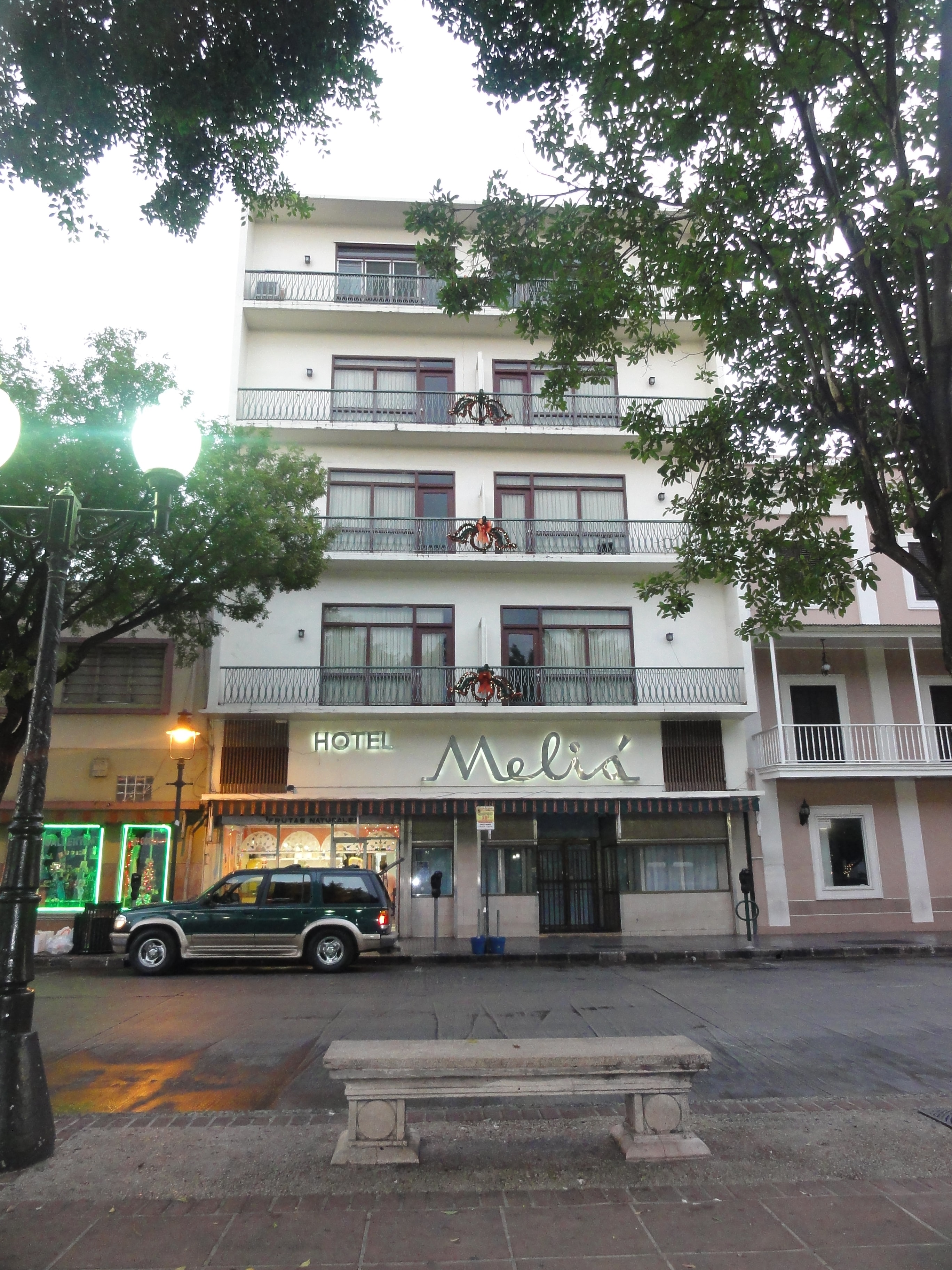
A first impression of Ponce

There is something unhurried about Ponce that catches travellers by surprise. The southern city wears its past openly, with pastel-painted facades, broad plazas and a slow-burning pride in everything from its civic architecture to its music. Often described as the island's "pearl of the south," Ponce feels like a different rhythm from the capital: wider streets, calmer traffic, and a compact historic core that invites walking around with no fixed agenda.
This guide gathers the verified basics for a first visit, so you can spend less time searching and more time absorbing the city's character. It is written as a quiet, evergreen companion for any traveller who wants a feel for Ponce before they arrive, with room to plan a flexible itinerary once on the ground.
Weather and seasonal context
Ponce sits on a southern Caribbean coast, where conditions tend to feel warm and humid for much of the year. Rather than focusing on any single calendar window, it helps to think in terms of general southern-coast patterns: hot sunshine, the occasional tropical shower, and evenings that stay mild enough for walking around in light clothing.
Local life in Ponce tends to adapt to that climate rather than fight it. The waterfront, plaza benches and shaded porches become natural gathering points when the day heats up, while the historic streets come alive again as temperatures ease. A practical approach is to plan outdoor sightseeing and museum visits for the cooler parts of the day, leaving the hottest midday stretch for a long lunch, a café stop, or simply sitting under a tree. Light fabrics, sun protection and a refillable water bottle will serve you well across any season, and a compact rain layer is a sensible addition because tropical weather can shift quickly.
Getting around
Ponce is laid out in a way that makes the historic centre genuinely walkable. Most of the headline landmarks sit within a compact radius of the main plaza, so once you have settled in, the simplest way to experience the city is on foot. Comfortable shoes are more useful here than a complicated transport plan.
For journeys that go beyond walking distance, rideshare apps such as Uber operate in the city, offering a familiar option for visitors who would rather not navigate by car. That said, the historic core itself rewards slow, self-paced wandering: plazas, fountains and decorative facades are best appreciated when you can pause, look up, and let the next thing catch your attention without rushing to a schedule.
If you arrive by cruise ship, the cruise pier is positioned close to the city centre, which makes it straightforward to step off the ship and immediately start exploring on foot. Weekend evenings around the waterfront and central plaza tend to carry a particularly festive atmosphere, with locals out walking, socialising and enjoying the cooler air, so it is worth keeping an evening free if your timing allows.
Attractions and planning
Ponce works well as a base for slow, curious exploration rather than a checklist of must-sees. Two anchor venues tend to anchor most first visits.
Parque de Bombas is the city's most photographed landmark: an unmistakable red-and-black former firehouse built in 1882 in a Moorish-inspired style, set on Plaza Las Delicias, and now operating as a small museum. It is the kind of stop that rewards a few unhurried minutes, both for the building itself and for the plaza life that surrounds it.
Museo de Arte de Ponce is the cultural counterweight to the outdoor sightseeing. It holds a permanent collection of roughly 4,500 pieces spanning about 30 centuries, and it is regularly described as the strongest art museum on the island outside San Juan. Give yourself more time here than you might expect; the collection is deep enough to reward a slow loop through the galleries rather than a rushed walk-through.
Beyond those two anchors, the old town itself is the attraction. The historic zone centres on landmarks such as the Ponce Cathedral, with roots going back to the 17th century, and forms a connected old-town area around Plaza Las Delicias. Treat the area as a single, connected experience rather than a list of individual sights.
Because Ponce sits at the meeting point of the southern region and is also described as a practical gateway to towns further north and west along the island, you may find your plans expanding once you arrive. That wider regional role is worth keeping in mind; if you do choose to arrange any time outside the city, regional road conditions, transport options and operating hours should always be confirmed through current local sources before you commit, since they can shift.
A short note before you go
Ponce rewards travellers who come with a plan, but not an overpacked one. Anchor your days around one or two set visits, leave generous gaps between them, and let the plazas, museums and waterfront fill the rest of the time. Wear light clothes, carry water, confirm any ferry, rideshare or external excursion locally, and keep an evening free for the festive weekend atmosphere that locals enjoy.
Travel conditions in Ponce, like anywhere in the Caribbean, can change. Schedules, opening hours, transport availability and weather patterns should always be cross-checked with official channels and current local sources before and during your trip, so that the guide you carry in your head matches the city you actually walk into.
Factual travel conditions can change, and official channels should be checked before departure.
Share this article
TOOLS FOR THIS PLAN
Make the Ponce plan measurable
Choose a tool only when it answers the next question in your trip. Your values stay in the browser, and each tool offers a route back to this planning context.