A First Look at the

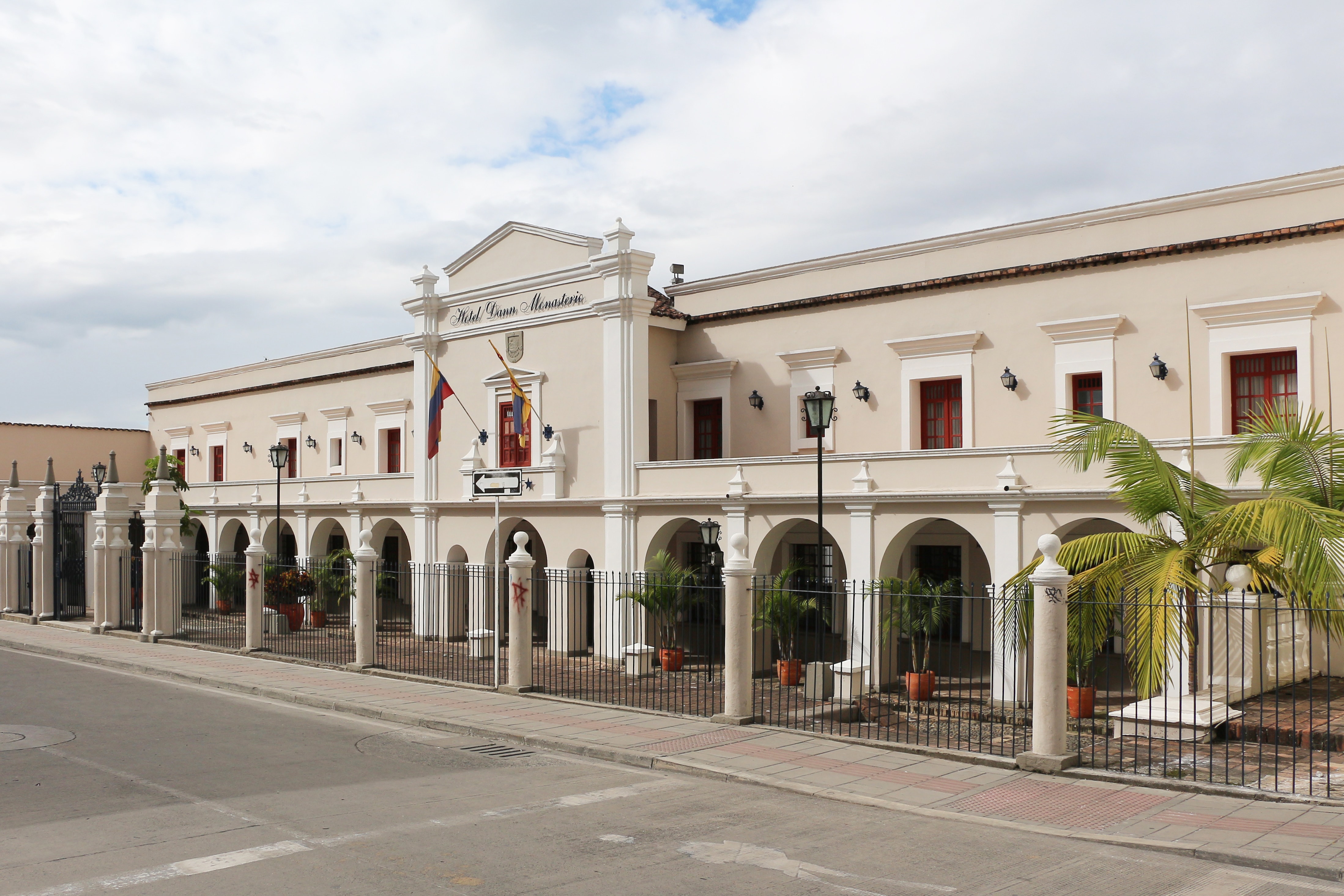
For travelers, the appeal is less about spectacle and more about atmosphere. Walking here rewards patience. The buildings have stories. The pace invites you to slow down. That said, anyone considering the trip should understand both the broader context of the surrounding region and the practical realities of being a visitor here.
Safety Context Every Visitor Should Weigh
Before getting swept up in the romance of the colonial core, it's worth being honest about the security landscape. The U.S. Department of State currently advises against travel to the Cauca department, while explicitly excluding Popayán itself from that warning. That nuance matters: Popayán is treated as a separate case from the wider department, and the advisory language is precise about this carve-out. Travelers should still read the full advisory text before booking, since conditions on the ground can change.
Independent safety analyses describe Popayán as a place where caution is warranted. One commonly cited scorecard rates the city around 40 out of 100 in its overall safety category, a number that signals real concern rather than reassurance. The practical takeaway is not to avoid Popayán, but to approach it with the same awareness you'd bring to any unfamiliar Andean city: monitor official advisories, stay informed about which neighborhoods are recommended for visitors, avoid traveling after dark in unfamiliar areas, and keep valuables discreet.
This isn't meant to alarm. Popayán has welcomed travelers for years, and many visit without incident. But an honest guide names the reality so you can plan accordingly, choose well-located accommodations, and move through the city with confidence rather than assumption.
Getting Around and Feeling the Pace
Popayán's old town is genuinely walkable, which is part of its charm. The colonial center, with its religious buildings, plazas, and historical architecture, is compact enough to cover on foot in a relaxed morning or afternoon. You won't need a complex transit strategy to enjoy the core experience; comfortable shoes and a sense of curiosity will carry you further than any itinerary.
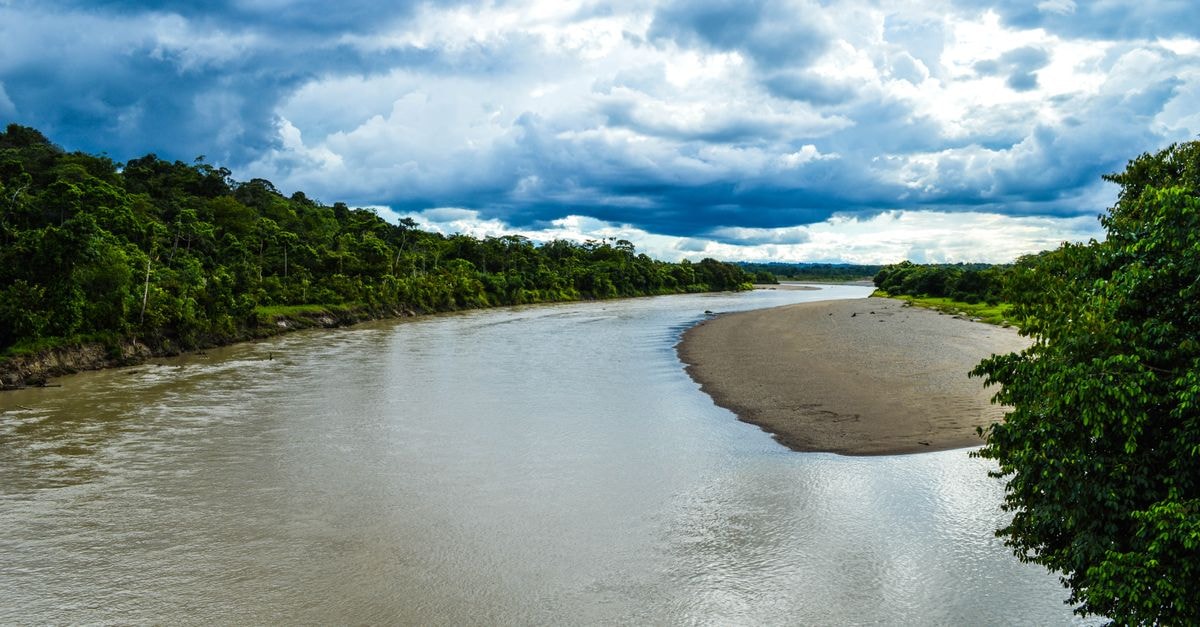
Beyond walking, the surrounding Andean geography shapes how the city feels. Set between mountain ranges, Popayán has the kind of altitude and slope that can catch first-time visitors off guard, especially those arriving from lower elevations. Pacing yourself matters more than rushing between landmarks. Give yourself time to sit in a plaza, watch the light shift across the whitewashed walls, and let the city's rhythm set the tempo.
Because Popayán is a departmental capital and an intellectual and religious center of Colombia, it has the infrastructure to support visitors, from hotels and restaurants to regional transport connections. The Andes setting means routes in and out can be dramatic in scenery and slow in duration; plan transfers with buffer time rather than tight connections.
What to See and How to Plan
Popayán's attractions cluster around its colonial and religious heritage. The historical buildings that give the city its nickname are not isolated monuments but a continuous streetscape, a town where the architecture itself is the main sight. Rather than chasing a checklist of ticketed attractions, the most rewarding approach is to wander: step into a church, linger in a square, and notice how the white façades shift color as the day progresses.
That said, the city's safety profile, reflected in the 40/100 rating mentioned above, does shape how visitors plan. Stick to well-trafficked areas during the day, particularly in and around the historic core, and ask locally trusted sources, such as your accommodation's front desk or established tour operators, about which streets or neighborhoods are best avoided after dark. A little local guidance goes a long way.
Because the evidence here points to a city best experienced through atmosphere rather than a fixed list of headline attractions, I'd encourage visitors to resist over-scheduling. Two or three unhurried days in Popayán, simply being present in its streets and plazas, is often more rewarding than a packed agenda. The city rewards those who arrive curious rather than hurried.
Food and the Wider Colombian Table
Popayán itself carries a strong gastronomic identity, often called a destination of gastronomy and tradition, but specific restaurant names, dish lists, and market recommendations are best confirmed locally rather than relied upon from a generic guide. What can be said with confidence is that the city sits within a much wider Colombian food culture, and understanding that context helps visitors approach meals here with more appreciation.
Across Colombia, food is shaped by geography. The country's culinary heritage reflects its mountains, coasts, and valleys, and traditional dishes tend to be hearty, regional, and deeply tied to place. One of the most recognizable national dishes is the *Bandeja Paisa*, a substantial mountain plate traditionally associated with the Antioquia region but emblematic of the generous, filling style of Colombian cooking more broadly. Visitors to Popayán will likely encounter versions of these broader traditions alongside whatever local specialties the city is best known for.
Colombian dining customs also reward a little awareness. Meals tend to be social occasions, often stretching longer than visitors from faster-paced cultures might expect. Asking locally about what's typical, whether a dish is meant to be shared, what time lunch is served, and what regional ingredients to look for, will make every meal more rewarding. The general etiquette of politeness, patience, and genuine interest in regional ingredients applies broadly and will serve you well.
Rather than hunting for a specific restaurant list, I'd suggest a softer approach: ask your hotel or a trusted local contact what they eat on a Sunday, what street snacks are worth trying, and which nearby towns produce the ingredients you'll see on menus. That's how the best food discoveries in Colombian cities usually begin.
A Final Note Before You Go
Popayán rewards visitors who arrive informed. Read the current travel advisory in full before booking, particularly the specific language around Cauca department and the exclusion of Popayán itself. Treat the city's safety score as a prompt for awareness, not a verdict. Plan your days around the colonial core's walkability, and let the Andean pace set your rhythm rather than fighting it.
One last reminder: factual travel conditions, including security guidance, road access, and local services, can change quickly. Official government advisories and on-the-ground contacts at your accommodation should be your final reference points before and during your trip. The White City has welcomed curious travelers for generations; with a little preparation, it will welcome you too.
Prices, opening hours, schedules, reservation rules, and local conditions can change; verify them through official channels before departure.
Share this article
TOOLS FOR THIS PLAN
Make the Popayán plan measurable
Choose a tool only when it answers the next question in your trip. Your values stay in the browser, and each tool offers a route back to this planning context.