Where rainforest meets a quieter coast

What makes the area distinctive is the way so many different experiences sit within a small radius: rainforest pockets, springs, a working raft river, and small coves along the coast. For visitors who like the idea of a destination where the natural setting does most of the talking, Port Antonio is a natural fit.
The setting: weather, landscape, and pace
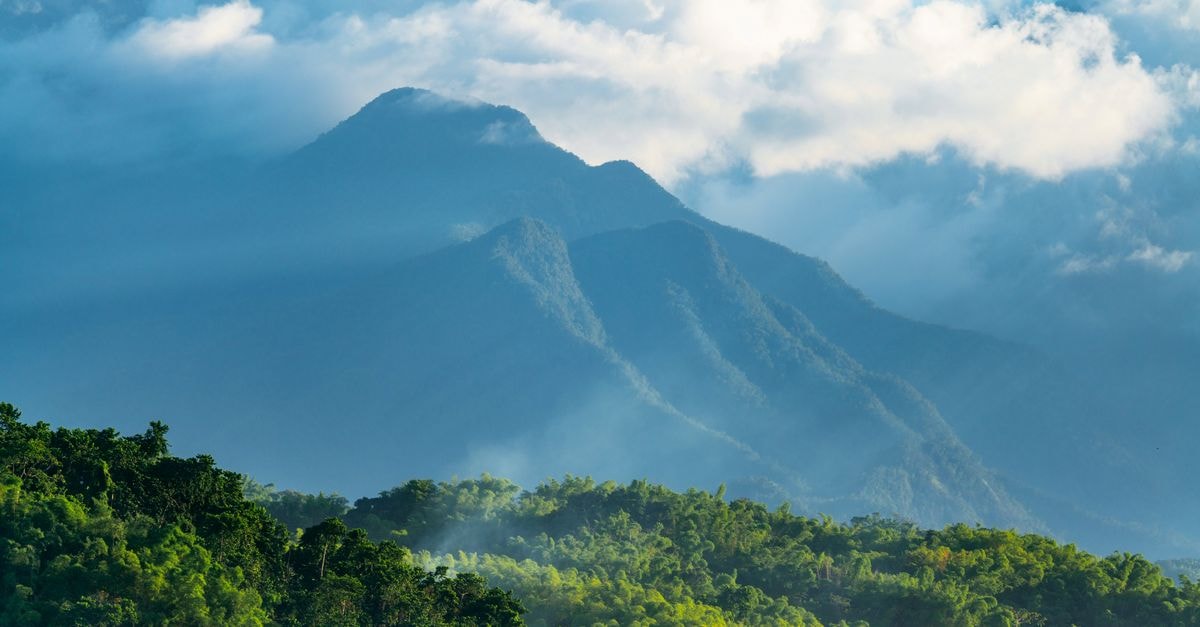
The climate here is shaped by the meeting of mountains and sea. Rainforest growth climbs down toward the coast, which is why the greens look so dense and the bays so vividly blue. Travelers used to drier Caribbean islands often find the air feels softer and the gardens look almost tropical-glasshouse in their intensity.
That lushness is part of the everyday rhythm of the area. Short tropical showers can pass through at any time, and the landscape stays green as a result. Pacing the day with flexibility tends to suit the place: outdoor plans in the clearer windows, with a relaxed pause built in for when the weather shifts. Lightweight layers, quick-dry clothing, and comfortable shoes for wet paths are sensible staples regardless of when you visit.
The combination of heat, humidity, and occasional rain is also why river and lagoon swims feel so inviting here. The spring-fed waters stay refreshing even when the coast feels warm, and they tend to be a welcome reset after a morning of walking.
Getting around
Port Antonio is a quiet coastal town with an understated charm in the northeast of Jamaica, and that character shapes how you move through it. Rather than a fast-paced resort hub with shuttles running in every direction, the town has a slower, more local rhythm. Travelers tend to find that allowing extra time for transfers, rather than rushing between stops, matches the mood of the place.
Because distances between the coast, the river, and the surrounding hills are relatively short, planning with a loose structure for the day works better than a minute-by-minute timetable. Road conditions in the more rural stretches can vary, so leaving buffer time between activities is a simple way to keep the day relaxed. For travelers who like to explore at their own pace, a willingness to slow down often becomes the highlight of the trip.
A jewel of a lagoon and a river built for drifting
The single most famous natural feature is the Blue Lagoon, a deep, spring-fed cove near Port Antonio that became widely known through film. Its appeal is the way the water shifts color against the dark depths, and the sense that you are floating in a place that feels both open and enclosed at once. The lagoon is the kind of spot where an unhurried hour or two, simply being on or near the water, tends to feel like the whole activity.
Not far from the coast, the Rio Grande offers one of the area's signature experiences: a serene bamboo-raft journey down the river, poled by a local raftsman through lush rainforest scenery. The pace is gentle, the shade is welcome, and the ride is a calm way to take in the surrounding green hills. It is the sort of activity that suits travelers who would rather soak up a landscape than race through it.
Between the lagoon and the raft ride, the day can fill up beautifully without ever feeling rushed. Both lend themselves to slow mornings and quiet afternoons, which is exactly the rhythm Port Antonio invites.
Beaches, bays, and the road to Boston
The coastline around Port Antonio is a series of small coves and bays rather than one long developed strip. Each tends to have its own feel, from sheltered swimming spots to more open stretches where the surf does the talking. The overall impression is of a coast that has been left largely to itself.
Heading east along the road, Boston Bay marks the edge of a different kind of experience. This is where jerk, Jamaica's iconic style of smoky, spice-rubbed meat, is widely credited as having been invented, and the roadside cluster of jerk pits at the Boston Jerk Centre is a beloved stop. Pork and chicken smoke slowly over pimento wood, and the aroma alone tends to pull travelers off the road. It is one of those places where the food is part of the landscape: casual, open-air, and unmistakably local.
For travelers who enjoy tying a meal to a specific place and a specific story, Boston Bay and the jerk pits offer exactly that kind of moment. It is not a formal dining experience; it is a roadside one, and that is the point.
Markets, mornings, and local flavor
Back in town, the central market is a useful anchor for the first morning in Port Antonio. For breakfast and fresh fruit, the central market is hard to beat, and it doubles as a window into everyday life in the area. Vendors sell seasonal produce, baked goods, and the kind of simple, filling local breakfasts that suit a day of outdoor exploring.
The market also tends to set the tone for the rest of the stay: friendly, unhurried, and rooted in the rhythm of the town rather than in any resort schedule. Travelers who like to start the day with a short wander, a strong coffee, and something fresh before heading out will find this one of the easier places in Jamaica to settle into.
Planning a thoughtful trip
A Port Antonio itinerary tends to come together around three pillars: the lagoon, the raft ride, and the coastline. Adding the central market for breakfast and a Boston Bay stop for an early dinner gives a full, varied day without overloading it. Travelers who have more time can simply slow each element down, spending longer on the river, returning to a favorite cove, or pausing to watch the light change over the bay.
The town's understated charm is its biggest asset, and the most rewarding visits tend to be the ones that lean into that quietness rather than trying to outrun it.
Factual travel conditions can change over time, so it is always worth checking official channels and local advice before departure to confirm current details for your visit.
Share this article
TOOLS FOR THIS PLAN
Make the Port Antonio plan measurable
Choose a tool only when it answers the next question in your trip. Your values stay in the browser, and each tool offers a route back to this planning context.