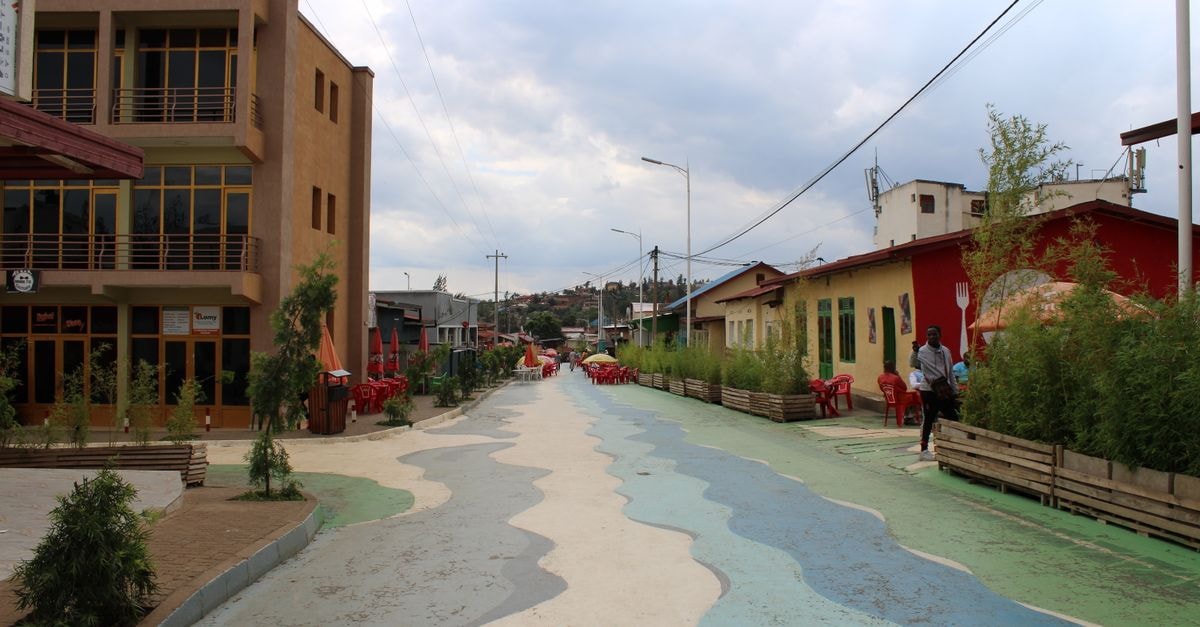
A first impression of

This guide leans into the two sides of Port Harcourt that visitors tend to talk about most once they have left: the things to see and do, and the food that quietly steals the show.
Attractions and planning
If you are looking for things to do in Port Harcourt, the city is widely written about as a destination with a surprisingly wide range of activities, from beautiful parks to lively markets and entertainment spots that keep both locals and visitors occupied. Travel writers compiling roundups of the city often frame Port Harcourt around exactly this mix: outdoor space, commerce, and places to gather in the evening. Knowing this in advance helps set expectations. You are not arriving in a museum city; you are arriving in a place whose appeal is partly about moving through it and stopping where the day takes you.
When researching what to visit, it helps to know that Port Harcourt has its own list of recognized attractions, sometimes presented as a top 10 of sights and experiences in and around the city. The exact makeup of those lists can vary by writer and by season, so a good approach is to treat any roundup as a starting menu rather than a fixed checklist. Pick the places that genuinely interest you, then confirm the latest practical details, such as opening times and access, closer to your trip through current local sources. A flexible plan, built around a few anchor places and plenty of room for wandering, tends to suit Port Harcourt well.
Because the city blends green space, busy streets and waterfront character, comfortable shoes, a refillable water bottle and a willingness to pause for the heat of the day will serve most visitors better than a tightly timed schedule.
The food that puts on the map
Long before you start ticking off attractions, the subject visitors end up discussing is the food. Port Harcourt has built a reputation across Nigeria for one thing many visitors quickly notice: what is on the plate. Nigerians from other states who travel to the city often talk about trying local specialties for the first time and discovering that the flavors are quite different from what they had imagined back home. That sense of pleasant surprise is a real part of the Port Harcourt experience, and it is worth leaving room in your plans to eat well, slowly.
Two dishes in particular tend to come up in conversation. The first is bole and fish, a combination of roasted plantain and grilled fish that is closely associated with the city and the wider riverine communities of the delta. The second is the broader menu found in Port Harcourt restaurants, where riverine cooking sits comfortably alongside dishes that are popular across Nigeria. The result is a food scene that feels both rooted in its waterways and connected to the rest of the country.
A practical tip for first-time visitors: do not be afraid to ask what a dish is, how it is prepared, and which part of the meal it belongs to. Many of the most memorable plates here are not the ones that look familiar, but the ones a local recommends with a smile.
Where riverine cooking meets the wider Nigerian table
Port Harcourt's restaurants tend to reflect the identity of the surrounding riverine communities, where fish, plantain and slow-cooked stews shape everyday meals, while also serving dishes that travelers may already know from elsewhere in Nigeria. Jollof rice, often described as a popular West African rice dish and frequently called Nigeria's national dish, is a familiar example: it appears widely on menus across the country, and Port Harcourt is no exception.
What makes eating here distinctive is not the presence of national favorites but the way they sit alongside riverine specialties. A single evening out can move from a plate of jollof to a smoky grilled fish, then to something sweeter, depending on where you sit down. For visitors who like to eat their way into a city, Port Harcourt rewards exactly that instinct.
Because the food scene is built as much on small, busy spots as on large formal restaurants, the best experiences often come from following local advice. Ask your hotel, ask a guide, ask the person selling plantain at the corner of your street: Port Harcourt's reputation for food was not built on tourists finding places alone.
A few notes before you go
A few practical habits will make your time in Port Harcourt smoother. The city is warm and humid much of the year, so light clothing, sun protection and steady hydration make a real difference, especially if you plan to walk between attractions or spend time at outdoor markets. Days tend to feel easier when you give yourself a slower midday and save the more active plans for morning and late afternoon.
Getting around is easiest when you have a plan for how you will move between districts, whether that means arranged transport, ride-hailing or a trusted local contact. As with any large Nigerian city, staying aware of your surroundings, keeping valuables discreet, and confirming the latest local guidance before you set out are sensible habits rather than special precautions.
Finally, treat any roundup of attractions or restaurants as a starting point, not a final itinerary. Verify opening hours, prices and access with current sources before you travel, and be open to the fact that the best part of visiting Port Harcourt is often the part no list can plan for you.
Factual travel conditions, including transport options, opening times and prices, can change without notice. Always check official channels and up-to-date local sources before departure so your plans reflect the city as it is on the day you arrive.
Share this article
TOOLS FOR THIS PLAN
Make the Port Harcourt plan measurable
Choose a tool only when it answers the next question in your trip. Your values stay in the browser, and each tool offers a route back to this planning context.