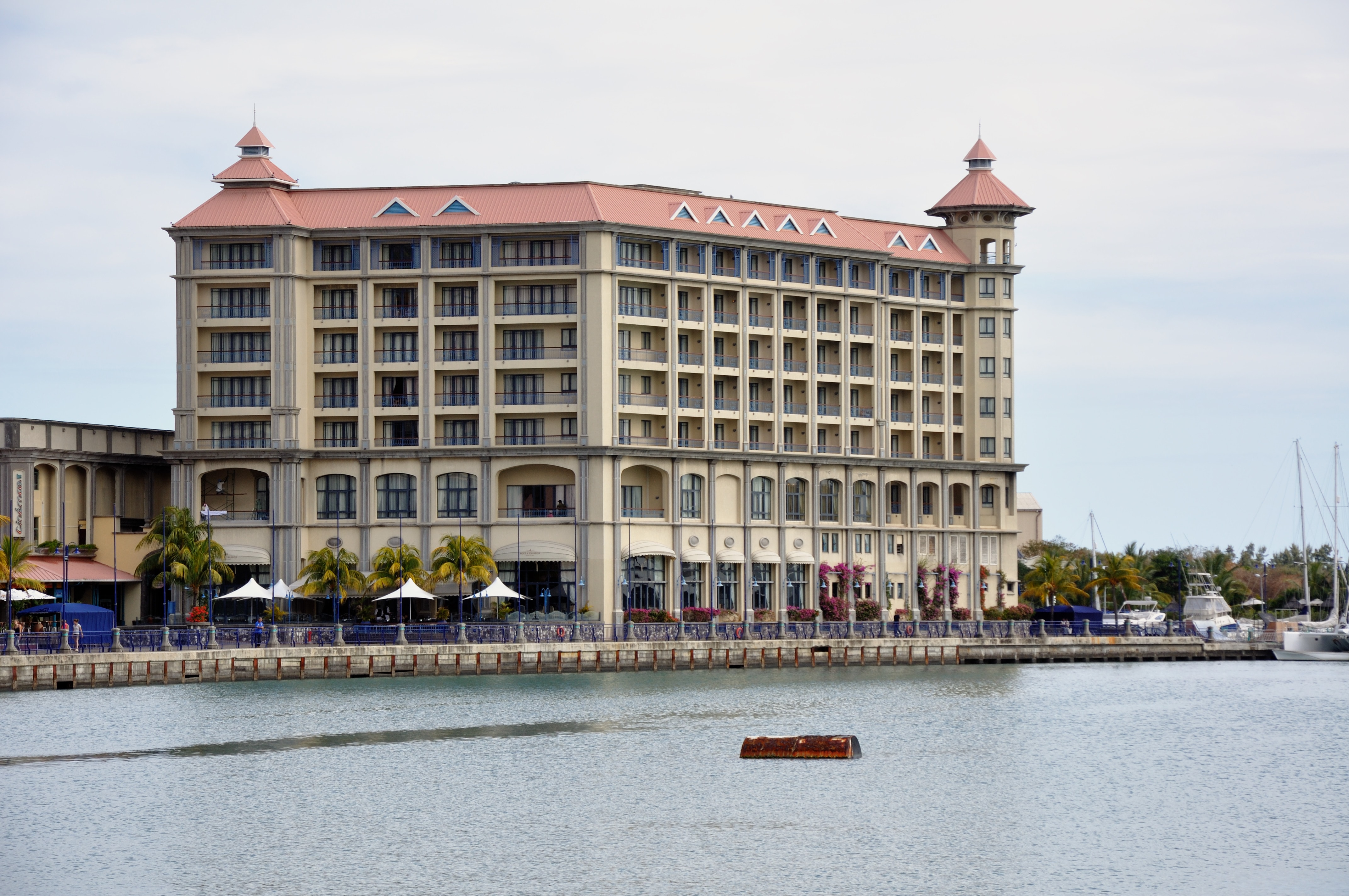
A compact harbor capital built for wandering

Port Louis sits in a natural amphitheater of mountains and harbor cranes, a capital that feels closer to a working port town than to a polished resort strip. The grid of streets rises gently from the waterfront, and most of the things that matter to a curious visitor sit within a short walk of one another. It is the kind of city you read on foot, with pauses for strong coffee, street-side markets, and the occasional shade tree. If you are visiting Port Louis with even half a day to spare, the capital rewards a slow pace rather than a checklist sprint.
The vibe here leans more everyday than theatrical. You will see office workers in the central lanes, school uniforms around the plazas, and a constant trickle of travelers who came for the harbor view and stayed for the food. For travelers who want to understand the real flavor of Mauritius, Port Louis is widely described as the right starting point rather than a stopover, a city where the country's many culinary influences sit close enough to compare in a single sitting.
Getting around
The simplest way to settle into Port Louis is to arrive on foot, by taxi, or with public transit from Sir Seewoosagur Ramgoolam International Airport (MRU), the main international gateway for the capital region. The airport sits a drive outside the city center, and using public transit from Mauritius Airport is a recognized way to save money on your airport transfer into Port Louis. Because routes and timetables can shift, treat the journey as something to reconfirm on the day rather than memorize in advance.
Inside the city itself, the compact geography of Port Louis does most of the work for you. The waterfront, the central market district, the museum quarter, and the main food streets sit close enough that you can stitch them together on foot without feeling rushed. If a hill, a sudden shower, or a tired afternoon has you flagging down a ride, local taxis and ride options fill the gap. For travelers who want a smoother first day, the practical habit is to land, settle in, and let the city reveal its pace rather than fight it.
Attractions and planning
Port Louis has a cultural depth that goes beyond the harbor photograph. One anchor worth leaving room for is the Natural History Museum of Port Louis, a museum that has long drawn visitors who want a more grounded introduction to the island's landscapes, plants, and the small, surprising details of island life. It is the kind of stop that pairs well with a slow morning before the market fills up, and it gives travelers a reason to step indoors when the midday heat is at its strongest.
Because opening hours and temporary closures for museums and similar institutions can change, treat any specific day or hour you read online as a hint rather than a contract. A simple habit that works well in Port Louis is to confirm museum hours the morning of your visit, either at your hotel desk or with a quick check of the museum's own notice board once you arrive. The city is small enough that even a partial museum morning still leaves room for a long lunch and an easy walk along the harbor.
A relaxed approach tends to suit the capital better than a packed schedule. Pick a handful of places that genuinely interest you, leave gaps for wandering, and let the harbor, the markets, and the surrounding hills do the rest.
Food and local context
Food is where Port Louis opens up most generously. Across the capital, restaurants cluster around the market area, the waterfront, and the side streets that spill away from the main squares, and the city's reputation as a dining capital of the island is well earned. For travelers who want a food-led read on the country, Port Louis is the natural place to begin.
One dining stop that travelers often point to is Chez Tante Athalie, frequently described as an authentic Creole restaurant and a local dining gem in Port Louis. It is the kind of place where the menu reads like a map of the island's kitchens, with Creole dishes that lean into the slow, generous cooking style found across Mauritius. Because restaurant details such as opening days, menu changes, and reservation needs shift over time, take any third-party list as a starting point and confirm directly before you go.
Across Mauritius more broadly, the wider food culture reflects a long conversation between Creole, Indian, Chinese, and French kitchens, and Port Louis is where that conversation is easiest to sample in a single visit. Street food, small family-run rooms, and market stalls all contribute, and travelers who treat eating as part of the sightseeing rather than a break from it tend to get the most out of a stay in the capital. A simple rhythm works well: morning coffee and pastries, a slow market browse, a long Creole lunch, a light harbor walk, and an unhurried dinner close to where you started the day.
A few small habits that make the day easier
Port Louis rewards travelers who plan lightly and pay attention. Carry small change for market stalls and small eateries, keep a light layer for air-conditioned museums and evening breezes off the harbor, and give yourself more time than you think you need between stops. The city is compact, but the warmth and the hills slow everyone down a little.
If you are pairing this guide with a longer island itinerary, treat Port Louis as a one- or two-day chapter rather than a transit point. The capital has enough texture in its food, museums, and harbor streets that a short, slow visit leaves a much sharper memory than a rushed half-day.
A note before you go
Travel conditions change, and details such as transport routes, museum hours, and restaurant operations can shift between your planning stage and your actual visit. Treat the points above as a starting framework, double-check anything time-sensitive on the day, and lean on your hotel desk, the airport information point, or the relevant official channels for the freshest guidance. Factual conditions around transport, attractions, and food can change, so always check official channels before departure.
Share this article
TOOLS FOR THIS PLAN
Make the Port Louis plan measurable
Choose a tool only when it answers the next question in your trip. Your values stay in the browser, and each tool offers a route back to this planning context.