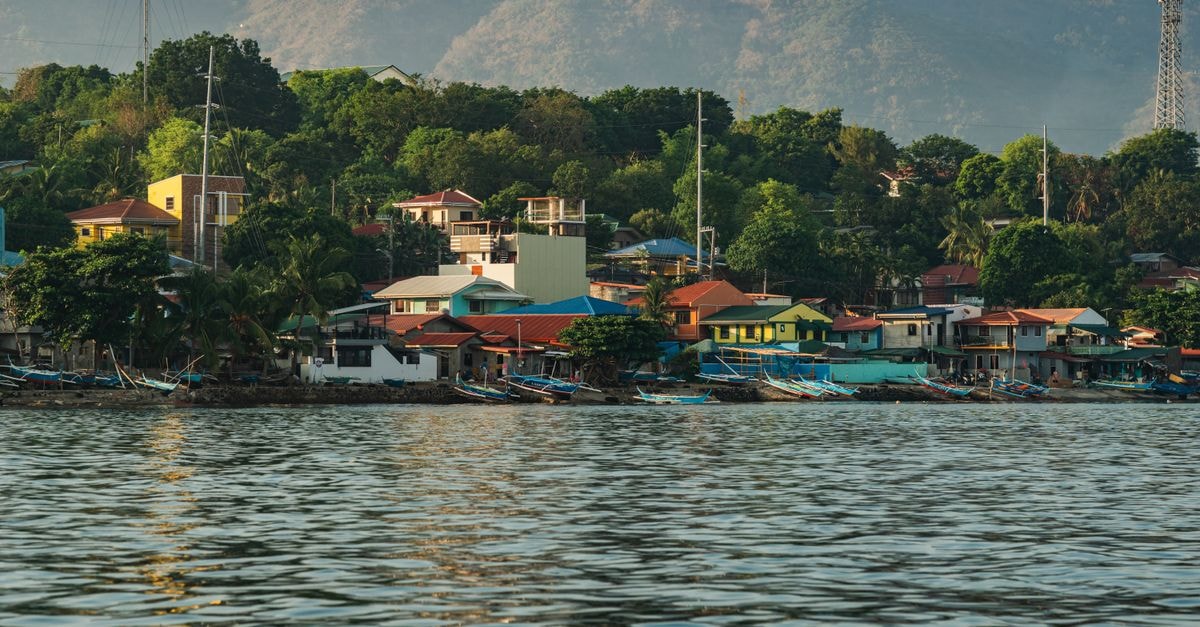
A city that opens toward the water

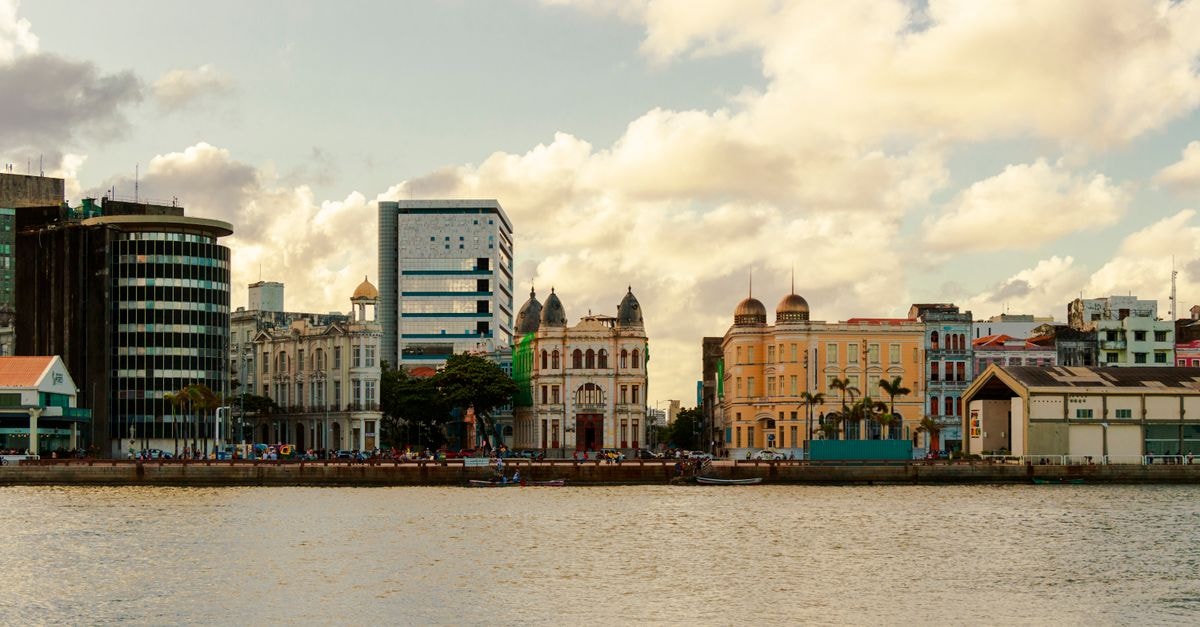
Porto Alegre, the capital of Rio Grande do Sul in southern Brazil, has a personality that travelers feel long before they can name it. There is a particular kind of light here that arrives across the Guaíba, the wide river-like body of water that residents will gently insist is more than just a river. Locals often describe it as the soul of the city, and spending even a short visit confirms why that sentiment keeps appearing. The waterfront is where the urban energy softens into something more contemplative, and the city feels like it breathes outward toward the water rather than turning its back on it.
This is a place that blends a rich cultural heritage with modern urban energy, and the blend is the point. You do not need to choose between museums and markets, between historic streets and a current nightlife. Porto Alegre invites you to follow your curiosity across both.
Weather and seasonal context
Weather in Porto Alegre has a personality of its own, and it is worth understanding before you pack. The city sits in southern Brazil, where conditions can shift between warm, humid days and cool, breezy interludes. Rather than fixating on a single temperature expectation, think in terms of layering. A light jacket, a breathable layer underneath, and comfortable walking shoes will serve you well across most of the year. Mornings along the Guaíba can feel cooler than the inland streets, especially when a wind picks up across the water, so a scarf or light overshirt earns its space in your bag.
Rain is part of the rhythm here. The skies can move quickly from bright to overcast and back again, and a compact umbrella or a packable rain layer is more useful than a heavy coat. If you are the kind of traveler who likes to plan walking routes by the hour, build in a little flexibility. The city does not shut down in less-than-perfect weather; it simply changes pace, and the waterfront can be particularly beautiful under moody skies.
What tends to define a good day in Porto Alegre is not a single forecast but how you move through the city. A morning exploring historic streets, an afternoon by the river, and an evening out in the city's lively nightlife districts is a natural arc. The combined effect of a rich cultural scene and lively nightlife is what tends to leave a lasting impression on those who visit, so pace yourself for a city that stays awake after dinner.
Getting around
Porto Alegre is a city where the Guaíba shapes more than the skyline; it shapes how you experience the place. The waterfront is not just a backdrop for photos. It is the orientation point, the meeting place, the place where you recalibrate after a long day of walking. Start there, and the rest of the city begins to make sense in relation to it.
For getting around, the central districts are walkable, and many of the cultural touchpoints cluster within a comfortable radius. The orla itself is a long, inviting stretch that begs to be explored on foot, ideally at more than one time of day, because it genuinely feels different at sunrise, at midday, and after dark. If you prefer two wheels, cycling along the waterfront is a popular local habit, and the flat profile of the riverside makes it approachable even for casual riders.
Public transport options exist for longer distances, and taxis and ride-hailing services fill in the gaps comfortably. The practical takeaway is that you do not need to over-plan your movement within the city. Porto Alegre is built for unhurried exploration, with the river as your anchor and the urban grid fanning outward from it.
Attractions and planning
Planning a visit to Porto Alegre is less about cramming a checklist and more about choosing a few anchors and letting the city fill in around them. A thoughtful itinerary tends to blend the heritage layer, the riverfront experience, and the modern cultural scene rather than racing between isolated sights.
For the heritage layer, keep the founding story in mind. The city was established in 1772 by Azorean couples, and that Azorean imprint still echoes in parts of the urban fabric, in culinary traditions, and in the broader gaucho identity of Rio Grande do Sul. Look for it in the architecture of older neighborhoods, in museums that trace immigration and regional history, and in the small details you notice when you slow down. A morning walk through the historic center reveals more about Porto Alegre than any single monument.
The riverfront, of course, deserves its own dedicated time. The Guaíba is more than just a river in the way residents talk about it, and that sentiment is worth taking seriously. Choose a cafe along the orla, linger over a coffee or a snack, and watch how the light changes across the water. This is the kind of experience that turns a generic trip into a felt one, and it costs nothing but time.
For cultural texture, lean into the city's reputation for combining rich heritage with a modern urban energy. Browse a local bookstore, step into a small gallery, catch a neighborhood gathering, and you will quickly understand why Porto Alegre is often described as leaving a lasting impression on those who visit. As the most renowned city in its state, Porto Alegre tends to be where cultural programming, exhibitions, and events concentrate. Check local listings closer to your travel dates to see what is running, and build a flexible evening around what catches your eye.
A practical rhythm that works well for many travelers is to alternate between a calm morning anchor, an afternoon of wandering, and an evening out. Porto Alegre rewards that kind of pacing because the city itself moves in layers: the slow riverfront mornings, the busy midday streets, and the lively nights. Trying to force everything into a single high-energy day usually means missing the parts that make the city feel like itself.
A few final notes before you go
Porto Alegre is the kind of city that reveals itself to travelers who give it room. The combination of heritage, riverfront, and modern energy is real, but it is best absorbed at a human pace rather than a checklist pace. Build in unscheduled time, especially by the water, and you will find the moments that tend to stay with you long after the trip ends.
Factual conditions in any city can change, so it is always wise to verify opening hours, event schedules, and local guidance through official channels before you travel. Treat this guide as a starting point for your curiosity, not a substitute for current information.
---
**Verification note:** Travel details such as opening hours, event schedules, transport availability, and prices are subject to change. Always confirm through official sources before your trip.
Share this article
TOOLS FOR THIS PLAN
Make the Porto Alegre plan measurable
Choose a tool only when it answers the next question in your trip. Your values stay in the browser, and each tool offers a route back to this planning context.