A first look at
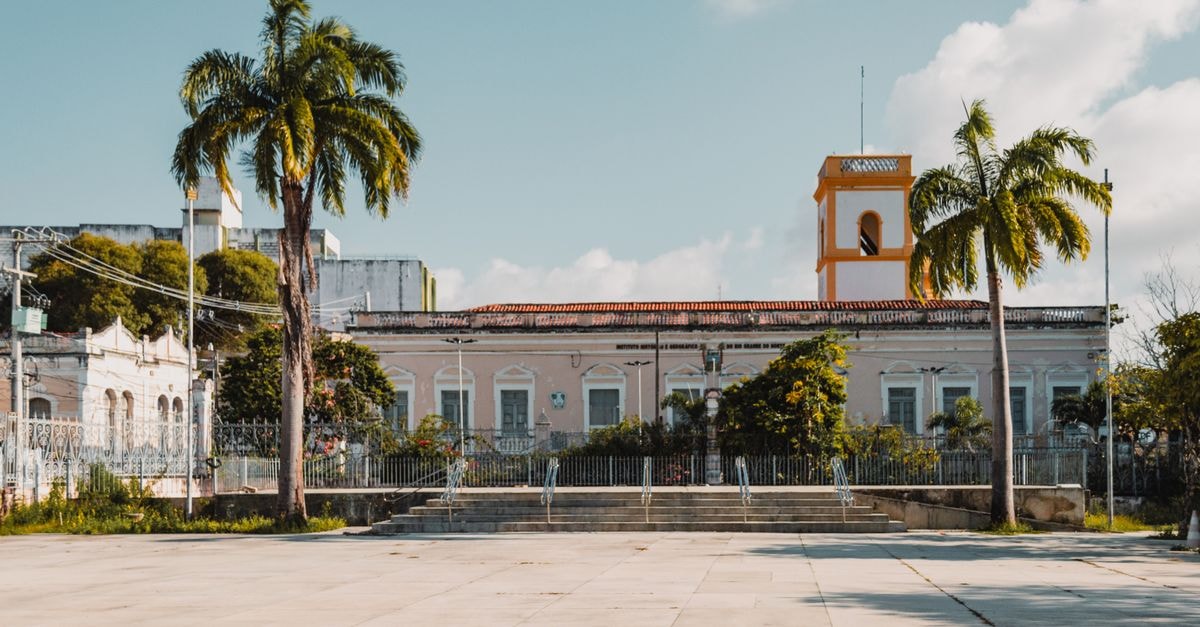
If you are the kind of traveler who likes places where the surrounding wilderness is part of the experience, Porto Velho may suit a slower pace. The city is small enough to settle into quickly, and the Madeira gives it a long, leafy horizon that feels distinctly its own.
Weather and seasonal context
Porto Velho is warm year-round, with daytime temperatures that typically range from about 31°C (88°F) to 35°C (95°F). Because the variation through the year is modest, the city does not really have a cool season in the temperate sense, and the rhythm of a visit tends to be shaped more by humidity, river levels, and personal pace than by dramatic temperature swings. Mornings often feel the most comfortable for walking, while the middle of the day can be heavy and still, and a short afternoon pause tends to suit most travelers better than pushing straight through.
Lightweight clothing, frequent water stops, and an awareness of shade are sensible habits at any time of year. Travelers who prefer to keep their sightseeing hours gentler may want to schedule outdoor time for the early morning and late afternoon, leaving the central part of the day for slower meals, museum-style stops, or simply resting indoors.
Getting around
For arriving and departing overland, buses to most big cities in Brazil can be picked up from the Rodoviária (bus station), making overland connections a realistic option for visitors who are already in the country and want to combine the city with a longer Brazilian route. Because long-distance schedules and operators change over time, treating the bus station as a useful starting point rather than a guaranteed hub is sensible, and current timetables are worth checking close to travel. Travelers arriving from farther afield will most likely be connecting through flights into the regional airport. Within the city itself, short rides by car or taxi between the riverfront, the central area, and the bus station tend to cover most of what a typical visitor needs.
If you prefer to focus your energy on a single base and take day excursions from there, the bus station's broad reach means you can keep Porto Velho as a calm anchor while still moving on if you wish.
Attractions and planning
Porto Velho's attractions are modest in number but rich in atmosphere, and they tend to cluster near the historic core along the Madeira. The Sacred Heart of Jesus Cathedral is the most recognizable landmark in the city and a natural starting point for getting your bearings. Travelers with an interest in religious or civic architecture may want to allow time to step inside, while those who prefer a lighter visit can simply appreciate the building from the surrounding square as part of the wider walk along the river.
Because the central sights sit close together, Porto Velho is well suited to travelers who like to explore on foot in short loops rather than racing across a sprawling urban map. Pairing the cathedral with a slow stretch of the riverfront and any local heritage references to the Madeira-Mamoré railway gives a compact, coherent picture of the city without overloading a single day.
Food and local context
Porto Velho's food scene is shaped by the Amazon and by the people who moved here from across Brazil. Dishes like tapioca and acarajé arrive in the city through immigration from Northeastern Brazil, broadening the flavor spectrum beyond what you might expect in a state capital this far west. That Northeastern influence is part of everyday eating here rather than a special-occasion trend, so visitors who enjoy trying regional street foods and casual lunches will find it woven into the normal rhythm of the city.
More broadly, exploring Porto Velho's food is described as an exercise in embracing freshness and regional tastes. The city's culinary identity has grown out of local river and forest ingredients as well as the traditions brought by migrants, and the conversation around that identity is still active, with local outlets continuing to discuss how Porto Velho's cuisine preserves traditions while moving the local economy.
Travelers who enjoy food as a window into a place will likely find the most interesting meals in simple, locally run settings rather than in any single headline restaurant, and the willingness to try unfamiliar Amazon and Northeastern dishes tends to be rewarded.
Choosing what fits the trip
Because Porto Velho is a compact city with a strong sense of place, the way you plan your days matters as much as which sights you tick off. The warm, humid climate and the short distances between the cathedral, the riverfront, and the bus station mean that slow mornings and a well-paced afternoon often feel more rewarding than a tightly packed schedule. If you like destinations where nature is part of the urban experience, where food tells a migration story, and where a single railway heritage thread ties the whole city together, Porto Velho will probably suit your style. If you prefer large-scale sightseeing lists, dense nightlife, or a city built around a single blockbuster attraction, you may want to manage expectations and treat this as a calm, focused stop rather than a high-intensity capital.
A quick verification note
Conditions in any Amazon city can shift, and details such as bus routes, the operational status of the railway station, local opening hours for the cathedral, and the exact rhythm of the food scene are worth confirming through local sources or your accommodation shortly before you travel. Treat this guide as a grounded starting point, and check official channels for anything that affects timing, cost, or access on the day you arrive.
---
*Travel conditions evolve. Verify practical details with local operators and official sources before departure.*
Share this article
TOOLS FOR THIS PLAN
Make the Porto Velho plan measurable
Choose a tool only when it answers the next question in your trip. Your values stay in the browser, and each tool offers a route back to this planning context.