A first look at Prilep

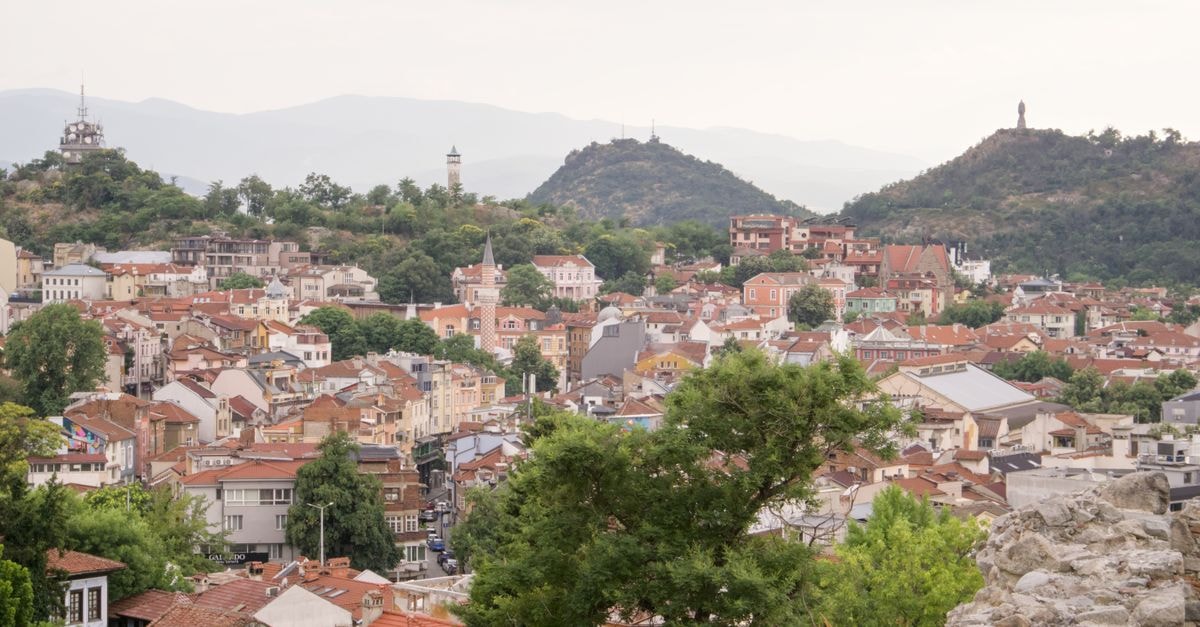
Prilep sits in the heart of the Pelagonia plain, a city often described in travel writing as a "city of tobacco and towers." That phrase captures something real: the silhouette of Marko's Towers above the rooftops, and the agricultural plain that has long given the region its rhythm. The plain is wide, the light is open, and the city has the feel of a place where life moves at its own pace. For travelers who like a stop that is more lived-in than polished, Prilep has a quietly magnetic quality.
What strikes many visitors first is the interplay between the natural setting and the human mark on it. The plain stretches out beneath elevated terrain, and from certain vantage points the city reads as a small, dense cluster against a vast green and gold backdrop. It is the kind of place where walking around is less about ticking off sights and more about absorbing a sense of place, and where stopping for a coffee or a long lunch is part of how the city reveals itself.
Weather and seasonal context
Weather in Prilep has a way of shaping how a day unfolds. The Pelagonia plain is known for warm, dry stretches and bright, expansive light, which means that any visit during the warmer half of the year tends to take on a sun-drenched character. The heat can feel honest rather than oppressive, but it does encourage a slower midday pace, longer lunches indoors or in shade, and outings reserved for the gentler hours of morning and late afternoon. Travelers who build in a little breathing room tend to enjoy the city more as a result.
Marko's Towers, the stone landmark that defines Prilep's skyline, also reads differently depending on the time of day and the season. From its vantage, the Pelagonia plain opens up in a way that feels especially generous when the air is clear and the light is long. Plan a visit here for the cooler part of the day, both for comfort and for the kind of view that makes the climb feel worthwhile.
A practical travel habit worth picking up in Prilep: lean into the local food culture in a way that suits the weather. Sampling local dairy products, fresh salads, and perhaps a glass of locally produced rakija or Mastika is part of how visitors often experience the city, and lighter meals tend to suit warmer days particularly well.
Safety in Prilep is generally reassuring, with the standard precautions that apply to most small cities in the region. Violent crime is low, and the most common sense advice is the usual urban caution: keep valuables secure in markets and be a little more aware after dark. For most visitors, this simply means traveling with the same awareness they would in any unfamiliar town, and otherwise relaxing into the everyday rhythm of the place.
Getting around and route thinking
One of the most useful framings for a visit to Prilep is to think of it as a route decision rather than a dot on a map. The city sits along Hwy P106 if you are approaching from the east, and the road west toward Prilep crosses a high point at an elevation of around 992 meters. That pass matters in practical terms: it can mean cooler air, occasional weather shifts, and slower driving than the flat sections either side. Knowing this in advance lets travelers pace the approach rather than treating it as a simple line on a map.
Within the city itself, the practicalities are refreshingly straightforward. Tap water in Prilep is safe to drink and is sourced from mountain springs, including the Studencica source. That single detail can quietly change a trip, removing the daily ritual of buying bottled water and making it easy to refill a bottle before heading out. Power runs at 230V with 50Hz frequency, and sockets are the common European Type C and Type F, so visitors from most of the continent can plug in without an adapter.
Banking for visitors is uncomplicated. Stopanska Banka and NLB Banka are the main institutions travelers are likely to encounter, and cards are widely used in supermarkets and larger shops. Cash still has its place, and is often preferred in bazaars and smaller stalls, so carrying a small amount of local currency for daily purchases makes sense. A short stop at an ATM early in the trip is a sensible move rather than something to leave until later.
Accommodation in Prilep tends to be largely private, with apartments listed on platforms such as Airbnb and on local listing sites like Reklama5. For independent travelers, that pattern usually means more space and a more local feel than a standard hotel stay, and it also tends to put you closer to the everyday texture of the city. Booking ahead is wise during busier travel periods, but outside of those windows the apartment market tends to be flexible.
A final route-shaped thought: because Prilep sits on a corridor between other parts of the country, the city works especially well as part of a wider journey rather than a single fixed destination. Thinking of it that way, as one anchor in a longer line, lets travelers take advantage of the road itself, including the elevated stretch on Hwy P106, instead of simply passing through.
A note before you go
Practical travel conditions, including prices, opening hours, and connectivity details, can change, and the figures mentioned here are intended as a reference rather than a live quote. Before traveling, it is worth checking current exchange rates, transport schedules, and any entry or local requirements through official channels, so that the trip begins with current information in hand rather than assumptions.
Share this article
TOOLS FOR THIS PLAN
Make the Prilep plan measurable
Choose a tool only when it answers the next question in your trip. Your values stay in the browser, and each tool offers a route back to this planning context.