Arriving in the Klang Valley's Quietly Busy Pocket

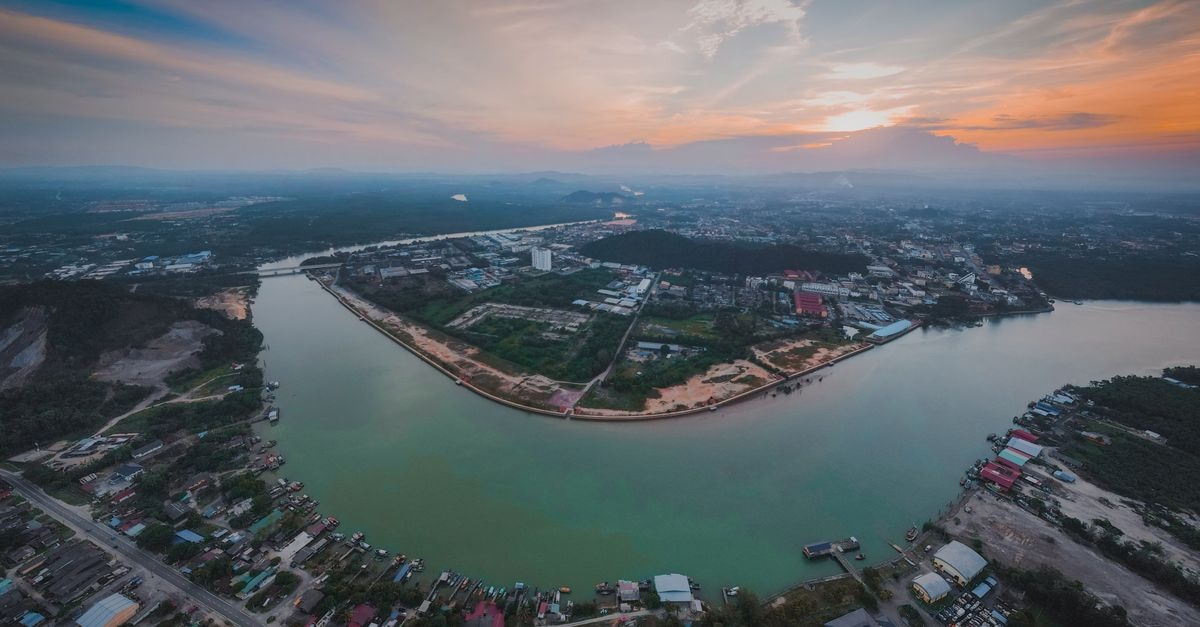
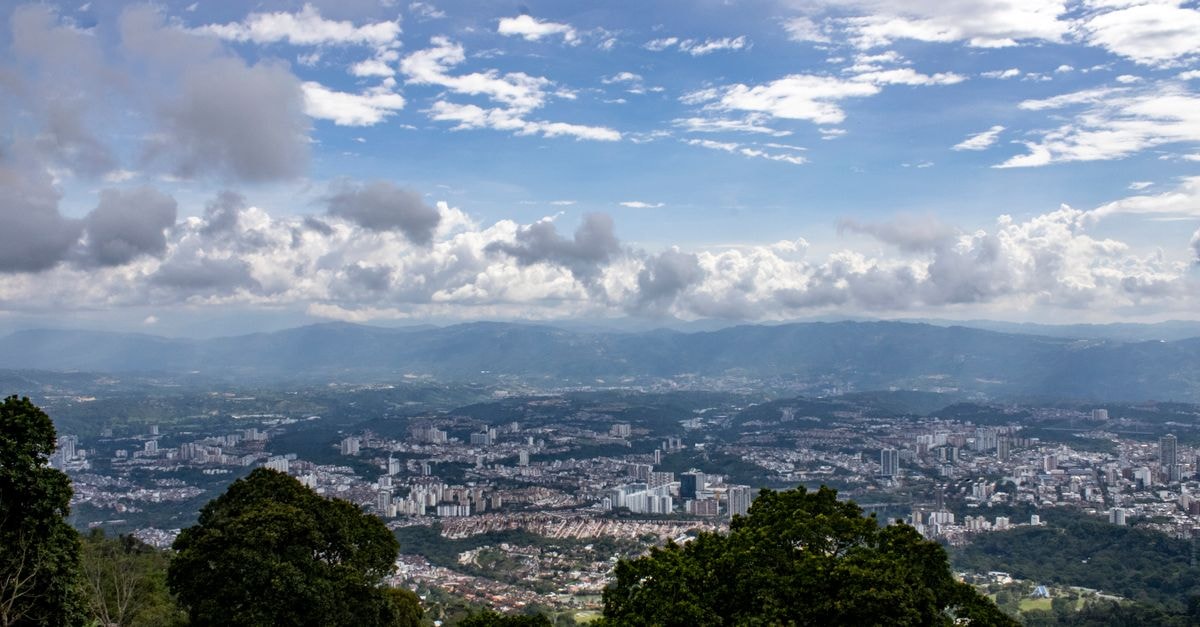
Puchong sits in Selangor, just outside Kuala Lumpur, and reads as a town that has clearly outgrown its own history. A Puchong travel guide written for slow travelers begins here because the contrast is part of the charm: the area was once a quiet settlement built on tin mining and rubber tapping, and has since become a bustling residential and commercial hub that defines modern urban living in the wider Klang Valley. That shift from kampung and plantation rhythm to highways, shoplots and apartment blocks is something visitors feel within a single afternoon walk.
What makes Puchong interesting is less a list of headline sights and more the texture of an everyday Malaysian town. You wander between older shopfronts and glossy new developments, and you sense that this is a place people actually live, commute from and raise families in, not just pass through. The mood is pragmatic rather than touristic, which can be a real plus if you prefer a visit that feels lived-in rather than curated.
For visitors planning a few days in the Klang Valley, Puchong can suit travelers who like using a town as a base rather than a single destination. It pairs well with day trips elsewhere in Selangor and greater Kuala Lumpur, though those onward journeys are best researched separately rather than assumed.
Getting Around
Puchong is shaped by its roads. The town is served by a major expressway, the LDP (Lebuh Raya Damansara Puchong), which connects it to surrounding areas. Travelers coming from Putrajaya will use the LDP and pay a RM1 toll along the route, a small but useful detail to keep in mind when budgeting for a short trip. Because the Klang Valley relies heavily on expressway driving, having some cash or a compatible payment setup ready for tolls is a quiet but practical part of moving around smoothly.
The other anchor of Puchong's transport story is the LRT, and this is genuinely useful to know before you arrive. The town has LRT connectivity that ties it into the wider rail network serving Kuala Lumpur and Selangor, which means you can realistically base yourself in Puchong and still reach the capital without a car. The Wikivoyage-style structure for Puchong groups its travel information under clear sections like By LRT, See, Do, Buy, Eat, Drink, Sleep and Go next, which is a fair hint that rail is treated as a primary way in and out.
For travelers who prefer not to drive in unfamiliar traffic, the LRT may suit your pace and budget better than relying solely on ride-hailing. For those who do enjoy flexibility, the LDP plus local roads make it easy to hop between Puchong's many shoplots, cafes and commercial strips. Combining the two, rail for the long haul and a short car or ride-hail transfer for the last stretch, is often the most relaxed way to move around.
If you are arriving from outside the region, note that promotional content for international airlines sometimes appears alongside Puchong listings, which is a reminder that the main international gateway in the region is the realistic entry point for most visitors, with onward transfer to Puchong handled by expressway or rail.
Food and Local Context
Puchong does not have one iconic dish stamped on its identity. Instead, like much of the Klang Valley, it reflects the wider Malaysian food scene: a generous spread of Malay, Chinese, Indian and cross-cultural plates, often served in humble shoplot settings. The Malaysian tourism context frames this variety as a draw in itself, encouraging visitors to know about Malaysian food and be drawn to visit precisely to taste it. In practical terms, that means eating well in Puchong is less about chasing a famous restaurant and more about wandering and trying whatever smells good at lunchtime.
Culturally, Malaysia is often described not as a melting pot but as a mosaic, where different communities keep their own flavors, festivals and traditions visible side by side. In a town like Puchong, that mosaic shows up on the plate first: you can eat three very different cuisines in one afternoon without leaving the same neighborhood. Travelers who enjoy cross-cultural street-level eating rather than fine-dining tasting menus may find Puchong especially satisfying, because the everyday food here is the cultural story, not a museum version of it.
A useful habit is to ask locals which shoplot eatery they currently eat at. Mall directories and food blogs rotate, but residents tend to know which curry house or which kopitiam is quietly reliable right now.
Choosing What Fits Your Trip
A few grounded tradeoffs can help shape expectations. If you want a base with easy rail access into Kuala Lumpur and prefer not to drive, the LRT connection makes Puchong a reasonable place to stay, with the RM1 LDP toll a small consideration if you do rent a car or ride from Putrajaya. If your main interest is street-level Malaysian food and everyday neighborhood texture rather than a tight cluster of sights, Puchong's shoplot dining scene and its mosaic-style food culture tend to reward that curiosity.
If, on the other hand, you are looking for a single walkable historic core or a dense concentration of ticketed attractions, you may find Puchong less concentrated than older parts of the Klang Valley, and may want to pair it with time in central Kuala Lumpur. Travelers who want a quieter, more residential rhythm may prefer staying in Puchong over busier central districts.
A Note Before You Go
Practical details such as LRT schedules, expressway toll rates, shoplot restaurant hours and airline connections can change. Use this guide as a starting framework and check official transport operators, the Malaysian Immigration and Tourism pages, and current restaurant or shop information closer to your trip. Currency exchange rates fluctuate, so treat any reference costs as approximations rather than guarantees. The story of Puchong is its transition from a quiet tin-mining and rubber-tapping settlement into a bustling modern town, and that contrast is best appreciated with a flexible plan rather than a rigid one.
Prices, opening hours, schedules, reservation rules, and local conditions can change; verify them through official channels before departure.
Share this article
TOOLS FOR THIS PLAN
Make the Puchong plan measurable
Choose a tool only when it answers the next question in your trip. Your values stay in the browser, and each tool offers a route back to this planning context.