The white-sand eastern edge of the Dominican Republic

That scale also shapes expectations. Many travellers come for the all-inclusive experience, where the resort is the destination and the surrounding region is essentially the view from the pool deck (F3-2). If that is the trip you want, Punta Cana delivers it with very little friction.
Beaches, turquoise water, and the resort rhythm
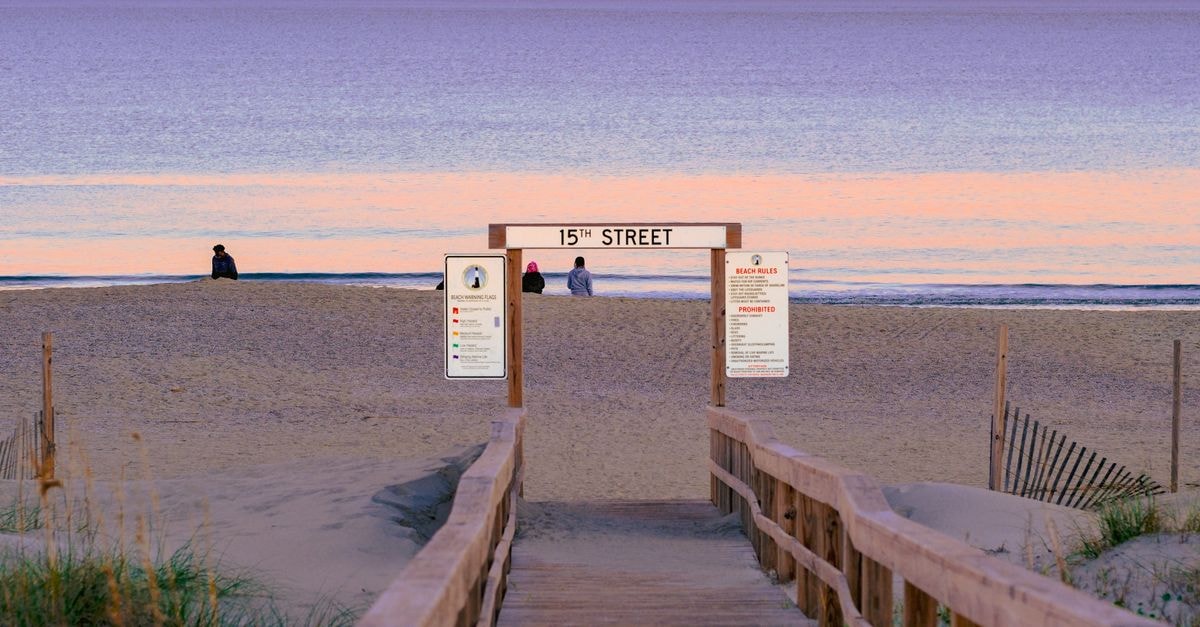
The shoreline is the centre of gravity. The beaches are the long, pale, postcard version of the Caribbean, framed by water that shifts between turquoise and a deeper blue further out (F1-1). Resorts are built right against the sand or close enough that the transition from lobby to lounger feels effortless (F4-2). For many guests, the daily plan really is that simple: breakfast, a walk on the sand, a swim, lunch, another swim, a sunset drink, dinner.
There is no need to treat that rhythm as a compromise. The appeal of Punta Cana for a large share of its visitors is exactly this self-contained ease. You can spend your whole stay within a single property and still feel like you have experienced the destination, because the beach, the pool, the dining, and the entertainment are all part of the same package (F3-2).
How Punta Cana actually works for visitors
Punta Cana is built around the resort-to-airport corridor more than around a traditional town centre. Because of that layout, how you get around depends almost entirely on what kind of stay you have planned.
If you are staying at an all-inclusive resort and do not plan to roam far, walking is genuinely the best option (F4-1). The properties are large, but they are designed so that the beach, the pools, the restaurants, and the rooms are reachable on foot within the resort grounds. Many properties sit right on the beach, or are self-contained enough that you do not need to leave the property to find a lounger, a cocktail, or shade (F4-2). In practical terms, this means your shoes can stay in the suitcase for most of the day, and the only real walk you take is from your room to the sand.
If you do want to explore beyond the resort, that is a different conversation and usually means arranging transport rather than relying on footpaths between properties. The same source guidance that recommends walking for resort stays implicitly frames the area as one where independent, on-foot exploration between hotels is not the default mode. Travellers who want to see more of the region should plan their transport in advance rather than assuming a walkable strip of shops, restaurants, or sights between resorts.
The airport scale matters here too. With millions of arrivals passing through PUJ every year (F3-1), arrivals and departures run on a steady, well-practised rhythm. Resort transfers, taxis, and pre-arranged pickups are all part of the standard arrival flow, and many properties include or arrange ground transport as part of the booking. Knowing that the system is built for high-volume tourism is reassuring: the handoff from plane to property is a routine part of how Punta Cana works, not an afterthought.
A practical mindset for the trip
Punta Cana rewards a particular kind of traveller: someone who wants the Caribbean beach experience delivered cleanly, without a complicated city to navigate, and without the pressure to fill every day with sightseeing. The destination does not punish you for staying put. In fact, staying put is the dominant pattern, and the resort experience is designed around exactly that (F3-2).
A few honest framing points help set expectations:
- The draw is the coastline. Over 50 kilometres of white sand and turquoise water is not a marketing flourish; it is the actual geographic feature that defines the area (F1-1). - The airport is the gateway, and a busy one. PUJ is the most-visited Caribbean destination by arrival numbers (F3-1), so plan for a confident, well-trodden arrival process. - The resort is the destination for many visitors, and that is a legitimate way to vacation here (F3-2). - Walking works inside the resort bubble, but moving between properties or exploring the wider region requires a transport plan rather than improvisation (F4-1, F4-2).
That mix of clear strengths and clear limits is actually what makes Punta Cana easy to plan. You are not choosing between dozens of competing neighbourhoods or transit systems; you are choosing a beach, a resort style, and a pace.
A note on planning and verification
Travel conditions can change, and details such as resort offerings, local services, and on-the-ground arrangements should always be confirmed through official channels before departure. Resort-specific amenities, excursion availability, and any plans that extend beyond the property should be checked directly with your accommodation or with the relevant provider. Airport procedures and entry requirements for the Dominican Republic can also be updated independently of any guide, so treat those details as something to verify close to your travel date rather than as fixed information.
If you go in with the right frame, this is one of the easiest Caribbean destinations to enjoy: long beaches, a resort rhythm that does the planning for you, and an airport that is built to welcome you in volume.
Share this article
TOOLS FOR THIS PLAN
Make the Punta Cana plan measurable
Choose a tool only when it answers the next question in your trip. Your values stay in the browser, and each tool offers a route back to this planning context.