A Pacific Port With a Slow Pulse

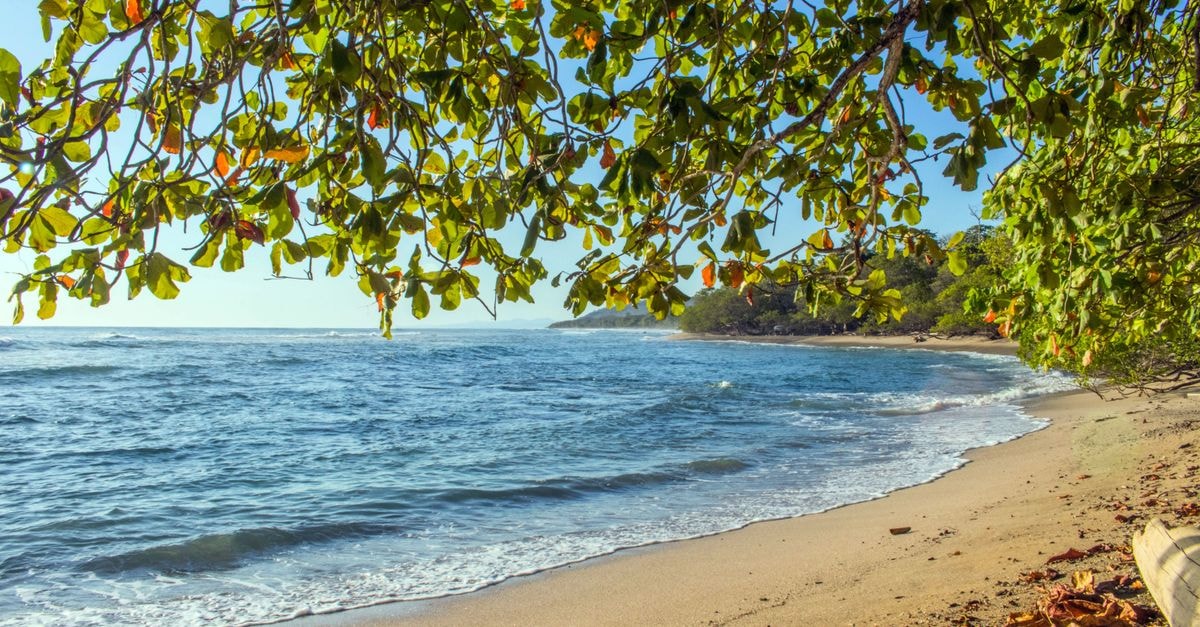
There is something quietly appealing about a Costa Rican port town that lets the Pacific set the rhythm of the day. Puntarenas sits where the Central Valley finally exhales into the sea, and the whole place has the feeling of a long, breezy esplanade where locals stroll, fishermen mend nets, and visitors wander out toward the water simply because it is there. The city draws travelers who are not chasing a checklist of attractions so much as looking for an easy, sun-warmed pause before heading deeper into the country's national parks and cloud forests along the Pacific coast.
The port town itself reads as relaxed and lived-in rather than polished. Coconut vendors and casual seafood stands set the tone, and the wide Pacific horizon does most of the visual heavy lifting. If you are the kind of traveler who likes a base that feels local, walkable, and uncomplicated, Puntarenas offers a useful introduction to life on this stretch of coast.
Weather and Seasonal Context
The climate in Puntarenas can feel unmistakably tropical, with a midday sun that builds quickly once the morning breeze fades. Some visitors find the midday heat to be the city's biggest everyday challenge, and pacing outdoor plans around the cooler morning and late-afternoon hours is a sensible habit. Lightweight clothing, water, and a plan to seek shade between roughly noon and mid-afternoon make the difference between a comfortable day and a drained one.
Like much of Costa Rica's Pacific coast, Puntarenas has a wet season that generally runs from May into November, with the shoulder months often appealing to budget-conscious travelers and surfers who do not mind the occasional shower. Travelers who prioritize wildlife viewing sometimes look toward November, when rains tend to taper and animals can be more active, though conditions vary year to year and a short tropical downpour can still arrive without much warning. The simplest approach is to plan for warmth, humidity, and the possibility of rain at any time, and to let the day reorganize itself around the weather rather than the other way around.
Getting Around
The Puntarenas tourist area is broad, with undefined edges that stretch toward the Nicoya Peninsula and absorb the city itself into a larger coastal region. That geography matters for getting around, because the most useful transport decisions are often about how to enter and leave the area rather than how to move within it.
From San José, the main Pacific coastal highway gives travelers a route south, and shared shuttles plus private transfers are widely available for those who prefer not to drive. Domestic flights connect the capital to Quepos in under 30 minutes, which can be a useful alternative if you are building a longer Pacific itinerary. Once you are in Puntarenas itself, the town is compact enough that a lot of the day can be spent on foot along the waterfront, with taxis and local buses filling in the gaps for anything further out.
Because Semana Santa is by far the busiest week of the Costa Rican year, with visitors from across the Central Valley heading to the coast, rooms and ferries fill quickly and restrictions on alcohol sales can apply on certain days. Planning around that peak, or simply accepting that the town will feel more crowded during that week, helps set realistic expectations.
Attractions and Planning
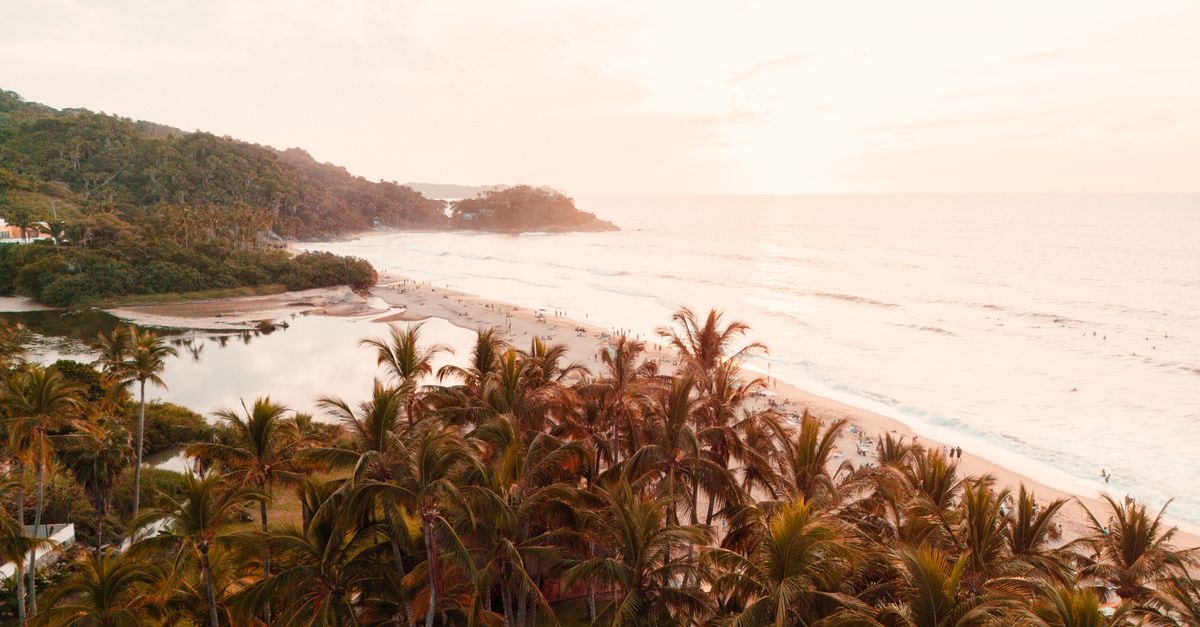
The main draw of Puntarenas is its Pacific coastline, which extends more than 500 miles down toward the Panamanian border and frames the city in a sweep of sand, sun, and open water. For visitors, that translates into a destination where the beach itself is the headline activity. Mornings tend to be the most comfortable window for a long walk along the shore, while the late afternoon is better suited to a bench, a cold drink, and watching the light change over the gulf.
The town works especially well as a base for travelers who want to mix a relaxed city stay with day plans into nearby natural areas. Its position along the coast makes it a practical jumping-off point for exploring further stretches of the Pacific, and the easy access to the water means that even a short visit can include a swim, a seafood lunch, or a slow afternoon under a palm-thatched shade. If you prefer flexibility over a packed schedule, Puntarenas rewards a lighter plan with time to simply enjoy the sea air.
One thing worth knowing in advance: the town has carried a reputation as a rougher port than some visitors expect. Approaching it with the same openness you would bring to any working coastal city, rather than imagining a resort enclave, tends to lead to a more enjoyable stay.
A Final Note Before You Go
Prices, opening hours, schedules, reservation rules, and local conditions can change; verify them through official channels before departure.
Share this article
TOOLS FOR THIS PLAN
Make the Puntarenas plan measurable
Choose a tool only when it answers the next question in your trip. Your values stay in the browser, and each tool offers a route back to this planning context.