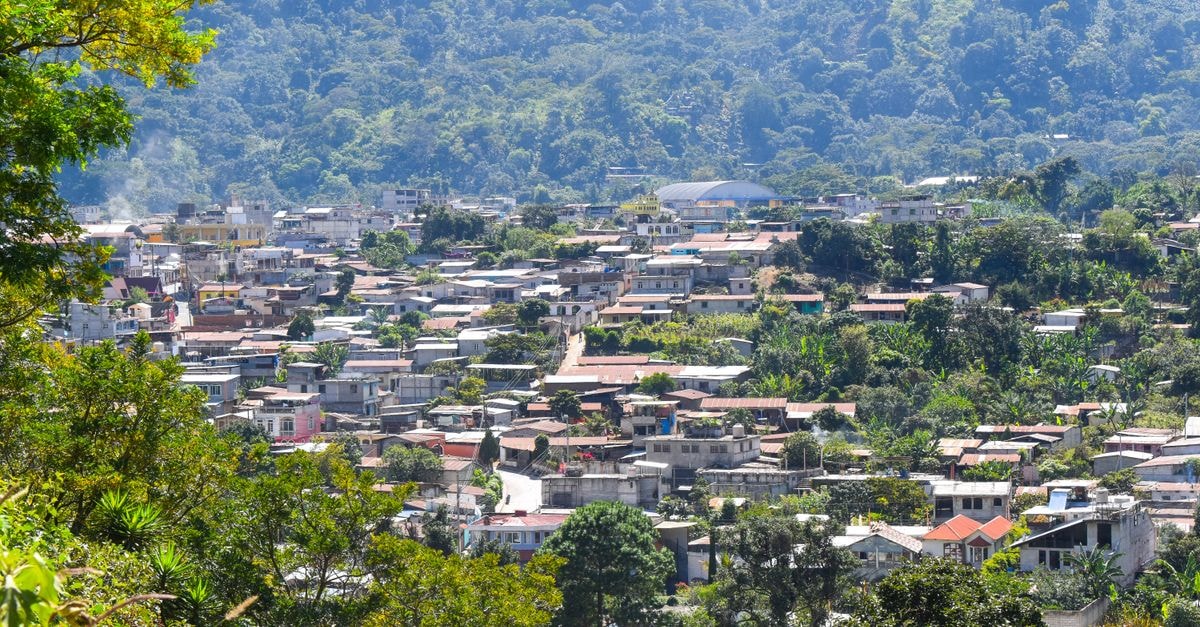
A soft landing at the edge of the rainforest

Puyo sits in Pastaza Province as a small capital that travelers tend to remember less for its streets and more for the green that presses in from every side. It is widely described as the doorway to the Ecuadorian Amazon, and that framing tends to shape the rhythm of a visit. The town itself feels like a base rather than a destination, the kind of place where the morning is spent arranging a boat, a trail, or a canopy walk and the evening is spent drying out and comparing notes. Travelers who arrive with that mindset usually settle in fastest.
What follows keeps the focus on what is actually supported for Puyo and the wider Ecuadorian context a visitor may bump into while here, rather than padding the guide with assumptions.
Weather and seasonal context
The single weather-related line that does the most work for visitors is a sensory one: this is where canopy walks, waterfall hikes, and boat rides toward remote rainforest lodges are arranged. That sentence matters because it quietly tells you what the climate around Puyo tends to deliver. The area is built around getting out into humid, water-fed rainforest, so the air generally feels damp, the days can feel heavy, and rivers are usually running.
That has a few practical consequences worth keeping in mind. Light, quick-drying layers usually make more sense than heavy cotton. A small dry bag for phone, paper documents, and a camera tends to pay for itself the first time a sudden shower rolls through. Footwear that grips well on slick wooden walkways and muddy trails is more useful than fashion-forward sneakers. Travelers who like to keep their plans flexible may want to build outdoor activities into the morning and leave gentler town time for the afternoon, when the humidity often feels strongest.
Because the broader climate around Puyo is shaped by rainforest conditions rather than a single dry or wet window, the evergreen advice is to expect changeable weather and to pace the day around it rather than against it.
Getting around
Puyo is described as well connected to the rest of Ecuador, with two main overland routes from Quito. One runs via Ambato and Baños, a route that climbs through the Andes before dropping down into the Pastaza valley. The other approaches via Papallacta and Tena, sliding in from the Amazon side. For travelers coming from the capital, the choice is less about which road is faster on paper and more about which scenery and which stops feel worth a pause. The Baños corridor often pulls travelers who want to break the journey in a mountain town known for its thermal baths, while the Papallacta and Tena route tends to appeal to those who prefer a steadier descent into the lowlands.
Once in Puyo itself, the most useful resource to know about is not a map or a printed brochure. The destination is described as a place where formal maps and brochures are thin on the ground, but where staff hold detailed files on attractions around Puyo and throughout the province of Pastaza. For independent travelers, that translates into a clear habit: ask a local. Ask at a lodge, ask at the place where you are staying, and ask at the operator running any tours. The accumulated local knowledge in Puyo tends to live in conversations rather than in tourist office racks, and the staff who deal with visitors day after day usually know which rivers are running, which waterfalls are accessible, and which community projects are open to guests.
Travelers who prefer to plan every stop in advance may want to reconsider how rigid they keep their schedule here, since the practical information for getting out into the rainforest tends to be assembled on the ground.
Food and local context
Puyo itself does not come with a tightly documented signature dish in the approved evidence, so this section stays focused on the wider Ecuadorian food culture that visitors are likely to encounter while traveling through the country, including in Pastaza Province. Framing it that way keeps the guide honest about what is supported.
A second piece of context worth carrying into meals in Ecuador is cultural rather than culinary. Ecuador is a country where indigenous languages, regional music, and everyday customs sit comfortably alongside each other, and that texture tends to show up around a table as much as it does in a festival or a market. Patience, curiosity, and a willingness to eat what is set in front of you are usually appreciated more than any specific table manner. Country-level etiquette guidance for Ecuador tends to emphasize warmth, greeting people properly, and taking a relaxed pace at meals, and visitors tend to find that those habits travel well.
Because the approved evidence for Puyo itself does not list specific restaurants, prices, opening hours, or signature menus, the most useful thing a visitor can do is treat the food scene as something to ask about locally once on the ground, rather than something to lock in from a list before departure.
Choosing what fits the trip
A short note for travelers deciding how to shape their time. Puyo suits visitors who are happy using the town as a base for guided rainforest activities rather than as a sightseeing destination in its own right, and who are comfortable arranging details on arrival through the people they are staying with or the operators they book tours with. It also suits travelers who enjoy the Baños or Papallacta road trip from Quito as part of the experience, since the journey itself tends to be one of the more memorable parts of a visit.
It may suit travelers less if their priority is a walkable city with a dense cluster of independent sights, formal visitor centers, and printed maps to follow, since the destination is described as light on printed information. In that case, leaning more heavily on a guided tour operator or a local host to assemble the day tends to work better than arriving with a fixed checklist.
A note before you go
Travel conditions, road access, weather, and the operating status of tours and lodges in and around Puyo can change, sometimes quickly. Treat the outline above as a starting point rather than a guarantee, and check current information with your accommodation, your tour operator, or official channels closer to departure so your plans reflect what is actually open and accessible on the day you travel.
Share this article
TOOLS FOR THIS PLAN
Make the Puyo plan measurable
Choose a tool only when it answers the next question in your trip. Your values stay in the browser, and each tool offers a route back to this planning context.