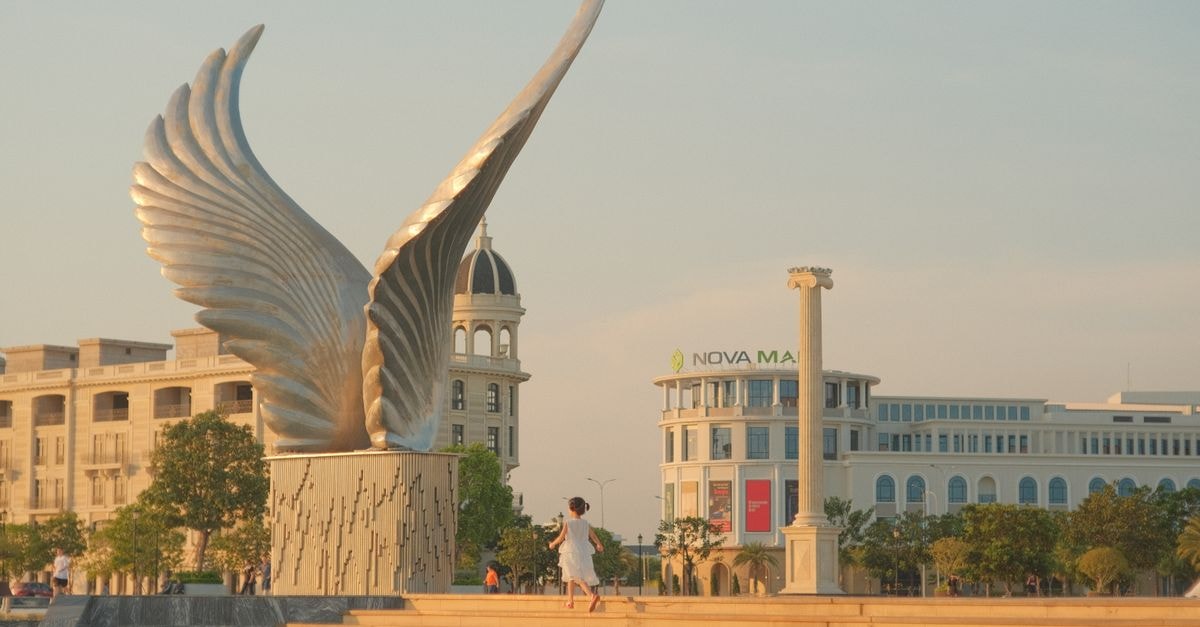
A quiet coastal city that rewards unhurried travelers

The city sits along Vietnam’s central coast and carries the kind of soft-spoken character that fits travelers who like a slower rhythm. It offers unspoiled beaches, centuries-old cultural sites, and warm local hospitality, according to available city-level context. Rather than rushing between headline landmarks, many visitors find the pleasure here in simple coastal mornings, a grilled bite at a beach or river stall, and the everyday rhythms of market trade.
This piece organizes the approved city-level evidence into three themes: weather and seasonal context, getting around, and food and local context. The goal is to give a grounded sense of what a visit can feel like, without inventing itineraries, prices, or venues that the evidence does not support.
Weather and seasonal context
The province is shaped by a long wet stretch through the middle of the year. Available context indicates that May to October is wet, with mud and possible landslides on mountain roads. For visitors, that often translates into lush scenery, frequent rain showers, and the occasional disruption to inland or upland travel. Travelers who prefer clear, sunny horizons may find the drier stretches of the year easier on the eyes, while those drawn to dramatic skies and green landscapes may enjoy what the wet season delivers.
The city itself is known for unspoiled beaches and a relaxed coastal feel. Visitors and residents are described as looking for grilled seafood at river and beach stalls rather than treating any single venue as an official culinary monument, which fits the informal, open-air way meals happen here. Mornings in the capital tend to revolve around markets that supply vegetables, fish, and dry goods for the day’s trade, so a traveler can settle into the rhythm of the city simply by walking through one of these early marketplaces before the heat builds.
Because the evidence is evergreen rather than month-specific, this guide does not lock the visit to a particular season. Instead, it offers durable context that visitors can adapt to whatever the calendar allows.
Getting around
The transport scene is built around small, informal options. Motorcycle taxis, known locally as “xe om,” can be found at most intersections, markets, and hotels, which may suit travelers who prefer flexible, on-the-spot rides. Travelers who prefer a car or minibus, airfare booking services, and tour guides can also arrange these through local providers that offer a wide range of services in the city.
The broader transport picture around the city has shifted over time in general context. What were once isolated stretches of coast and roadside fuel stops have gradually turned into interesting places worth stopping for, and overgrown vegetation has given way to manicured pathways, while muddy riversides are now patios for trendy cafes, and isolated beaches have turned into weekend getaway destinations. The pattern suggests that the area around the city has been quietly upgraded over time, even if the city core still feels modest and approachable.
For travelers who enjoy a more flexible pace, a mix of xe om rides for short hops and rented transport for longer days along the coast may suit the way the city is laid out. Those who would rather let a local guide handle the planning can use the city’s tour services to combine transport with interpretation, especially if they want to combine a market visit with a beach afternoon without juggling logistics on their own.
Food and local context
Food in the city is best understood through its setting rather than through a single iconic dish. The approved evidence points to grilled seafood at river and beach stalls and the morning trade in vegetables, fish, and dry goods at the capital’s markets. That combination gives travelers a layered picture of how the city eats: early-morning sourcing at the market, followed by casual grilled bites later in the day at a stall near the water.
It also helps to view the food scene in the wider context of Vietnam as a whole. Available country-level context describes how Vietnamese food culture is often experienced through range and contrast, from royal banquet traditions to street food in major cities, with flavor acting as a kind of language for Vietnamese identity. That framing helps set expectations: the city’s everyday food fits into a national story of strong regional flavors, while local meals often unfold in informal riverside and beachside settings.
Choosing what fits the trip
Because the evidence describes a relatively quiet city with informal transport and coastal food settings, the visit can be shaped around a few simple tradeoffs. Travelers who prefer a relaxed pace and informal meals may enjoy spending most of their time within walking distance of the markets and the riverside or beach stalls, using xe om rides for the occasional longer hop. Travelers who want more structure can lean on the city’s local tour and minibus services to plan longer days along the coast without handling logistics themselves. Travelers who arrive during the wetter months may want to build flexibility into their plans, since inland and upland routes can be affected by mud and occasional road disruption, while still enjoying the city itself.
Before you go
Travel conditions can change, especially around transport availability, weather, and road access. Verify current details with official and up-to-date local sources before departure so that your plans reflect the situation on the ground at the time of your visit.
Prices, opening hours, schedules, reservation rules, and local conditions can change; verify them through official channels before departure.
Share this article
TOOLS FOR THIS PLAN
Make the Quảng Ngãi plan measurable
Choose a tool only when it answers the next question in your trip. Your values stay in the browser, and each tool offers a route back to this planning context.