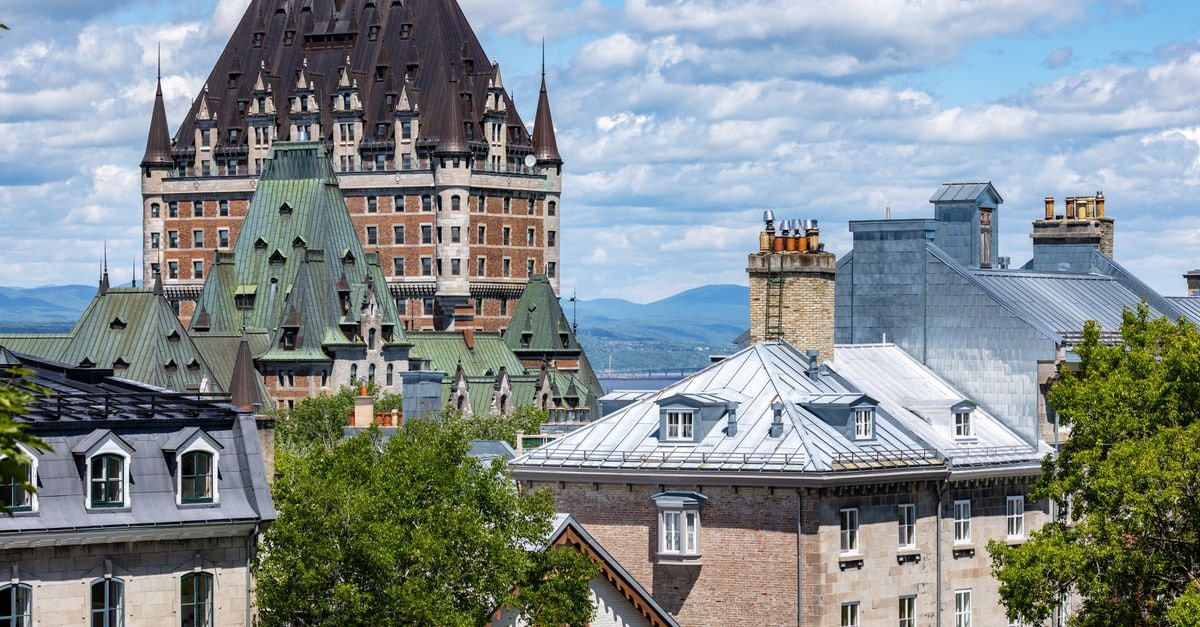
A first look at Québec City

Québec City has a way of slowing travelers down the moment they arrive. The stone walls, the narrow lanes, and the French-inflected rhythm of conversation all hint at a place where history is layered into everyday life. For visitors, that means a destination that rewards wandering as much as planning, where a single stroll can pass cafés, churches, and lookouts over the St. Lawrence River.
This guide gathers the durable, practical details worth knowing before you visit: how to arrive and move around, what to prioritize in your time, the climate you'll likely be stepping into, and the wider Canadian food culture that shapes what you may find on local menus.
Weather and seasonal context
The city's famous cobblestones can become genuinely slick in cold months. Travelers who arrive without proper footwear have been spotted in sneakers on ice-covered stones, which is a reminder that the surface underfoot matters as much as the jacket on your back.
When winter conditions settle in, temperatures near minus twenty degrees Celsius are treated as serious weather rather than a brisk morning. Outfitting yourself with thermal layers, real winter boots, and waterproof gloves tends to be the difference between enjoying the season and simply enduring it. Even outside of deep winter, dressing in layers is a smart habit because the river winds can cut through lighter clothing quickly.
The nearest major gateway is Jean Lesage International Airport (YQB), which keeps arrival logistics straightforward for most travelers. Once you land, the city's compact scale makes it easy to feel oriented within hours.
Getting around
Québec City is built for walking, and much of the visitor experience lives within the older upper town and along the fortified walls. Comfortable shoes are an investment that pays off many times over.
Beyond the walking streets, the city offers a few distinctive ways to take in its geography. A cable car and a suspension bridge let visitors get close to the Montmorency Falls area, where the spray from the water freezes into a climbable ice cone locals call the "sugarloaf" during the coldest stretch of the year. That single feature captures the city's relationship with its landscape: dramatic, a little wild, and best approached with an extra layer in your bag.
Attractions and planning
The simplest framing is that a visit is genuinely a way to understand the region's rich heritage. Few North American cities carry such a concentrated sense of place, and even a short stay rewards visitors who lean into the layered history rather than rushing past it.
A useful anchor for many travelers is the Plains of Abraham, a historic park tied to the Musée national des beaux-arts du Québec nearby. Pairing a walk through the park with time in the museum gives both an outdoor and an indoor sense of the city's story, and the location makes it easy to fold into a wider day of exploration.
For anyone wanting context and orientation, booking a guided Québec City tour is a practical step. A good tour weaves together the architecture, the fortifications, and the everyday life of Old Québec, and it can also introduce the traditional cuisines of the region that might otherwise be missed when dining independently. Treat the tour as a learning layer that you can return to on your own afterward.
Food and local context
The dining scene sits inside a wider Canadian food culture that visitors tend to notice quickly. One of the country's most recognizable everyday foods is poutine, which began in rural Québec chip stands and spread to mall food courts, hockey arenas, and home kitchens across the country. Travelers will likely encounter it in many forms, from a quick counter-service portion to a more composed restaurant plate.
It is worth remembering that no single dish defines an entire country. Canada's national fame for poutine can trick visitors into thinking the cuisine is one-note, when in reality the country's food culture stretches from coast to coast and includes strong regional traditions. Québec City carries its own depth here, and a guided food walk or a slow lunch in the Old Town is often the best way to sample it.
A note on broader Canadian context
Because travelers often arrive curious about the country as a whole, a little wider context helps. Canada is the world's second-largest country, stretching from the Atlantic to the Pacific and Arctic oceans, and that scale shows up in how varied everyday life feels from one region to the next.
Hockey, meanwhile, is often described as Canada's unofficial national religion. The sport shapes weekend rhythms, conversation, and even how some venues are laid out, so don't be surprised if a local brings it up before you've finished your first coffee.
Planning notes before you go
A few practical habits make a visit smoother. Check the weather forecast the day before you arrive, and pack with the assumption that conditions can shift quickly between morning and evening. If you plan to walk the upper and lower towns, expect stairs and slopes rather than flat sidewalks. Give yourself at least one slow afternoon with no fixed plan, because the city tends to reveal its character in unplanned moments.
Costs vary widely by season and style of travel, so set a flexible daily budget and confirm current rates and entry fees through official channels before booking.
A final thought
Québec City is the kind of place that rewards curiosity more than speed. Read a little about its history before you arrive, walk more than you think you will, and let the cobblestones set the pace.
_Factual travel conditions can change, and readers should verify weather, transport, opening hours, and entry details through official channels before departure._
Share this article
TOOLS FOR THIS PLAN
Make the Québec plan measurable
Choose a tool only when it answers the next question in your trip. Your values stay in the browser, and each tool offers a route back to this planning context.