A first look at the city

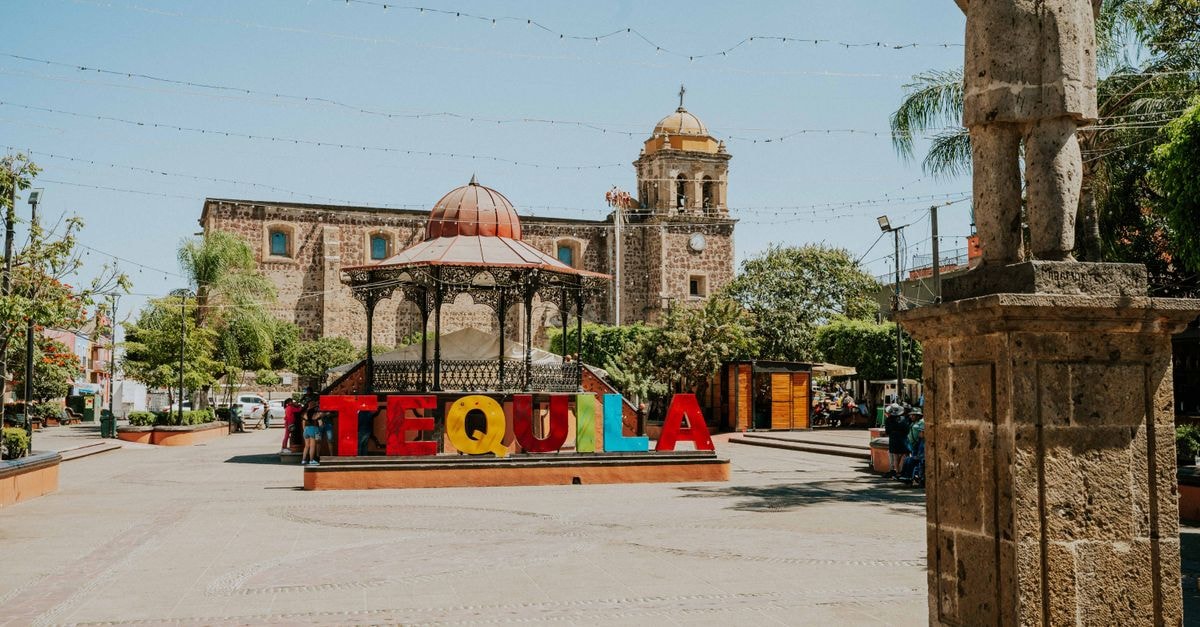
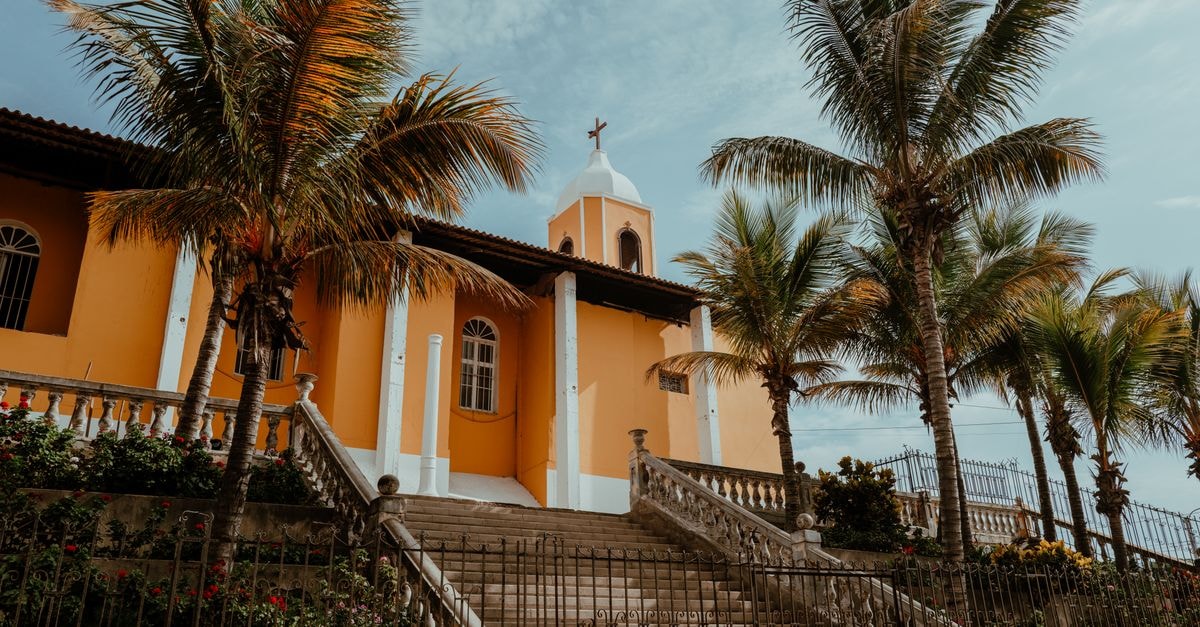
Santiago de Querétaro — the formal name for what most travelers simply call Querétaro City — is a place that rewards unhurried wandering. The historic center is laced with leafy plazas and ornate Catholic churches that turn nearly every street corner into a small photo moment, and the overall feel is calm enough that you can build a visit entirely around walking, sitting, and watching the city go by. If you are the kind of traveler who likes to slow down, sip something in a square, and let the day's plan unfold naturally, this is a city that fits the mood.
Getting around
Within the historic core, much of what you will want to see is reachable on foot, and the plazas are close enough together that a single afternoon can cover several of them. When your feet need a break, or when you want to reach neighborhoods a little further out, the QroBus system offers an extensive network throughout Querétaro City, which makes public transport a workable option for visitors who prefer not to drive. Buses are the most common way local residents move around, so expect a practical, everyday rhythm rather than a tourist-oriented shuttle experience.
If you would rather set your own pace, rental cars are available from major international companies including Hertz and Avis, with offices at Querétaro International Airport (QRO) and within the city itself. A car is useful if you plan to explore beyond the center on your own schedule, but for a short stay focused on the historic zone, the bus network and your own two feet will usually be enough. Taxis and ride services are also part of the local mix, though details on apps or pricing are worth confirming locally before you rely on them.
Plazas, churches, and city walks
If you prefer a more structured way to explore, several guided experiences are available. There is a walking tour focused on the temples and convents of the western zone, a city tour in a classic Ford T vehicle, a legends-themed historical tour, and a tandem bike tour with café stops and museum visits. For visitors with more time, a wider route through the state covers nearby pueblos mágicos, plus a cheese and wine route. These options let you pick the pace and theme that matches your interests without committing to a single rigid plan.
How safe does it feel?
Compared with many large Mexican cities, Querétaro is generally regarded as one of the safer urban destinations, particularly in the historic center. That said, "safer" is a relative term, and the same common-sense habits that apply in any unfamiliar city — watching your belongings in crowded plazas, using official taxis or registered ride services, and staying aware after dark — still apply. The reassuring reputation is a good starting point, not a substitute for everyday awareness.
Slowing down on the ground
For travelers who want a gentle framework, a two-day plan works well: one day on foot through the historic center's plazas and churches, and a second day mixing a guided experience (walking tour, Ford T city tour, or tandem bike) with a slow lunch and a return to a favorite square for the evening. That structure leaves room for spontaneous discoveries without leaving you feeling like you missed the essentials.
A final note before you go
Factual travel conditions — from bus routes and rental car availability to restaurant menus and opening hours — can shift over time. Before your trip, it is worth checking current information through official tourism channels, your accommodation, and recent traveler reports so that the details above stay accurate for your specific dates. Treat this guide as a starting framework rather than a live confirmation, and you'll be well set up for a calm, rewarding visit to Querétaro City.
Prices, opening hours, schedules, reservation rules, and local conditions can change; verify them through official channels before departure.
Share this article
TOOLS FOR THIS PLAN
Make the Querétaro City plan measurable
Choose a tool only when it answers the next question in your trip. Your values stay in the browser, and each tool offers a route back to this planning context.