A first look at Rawalpindi

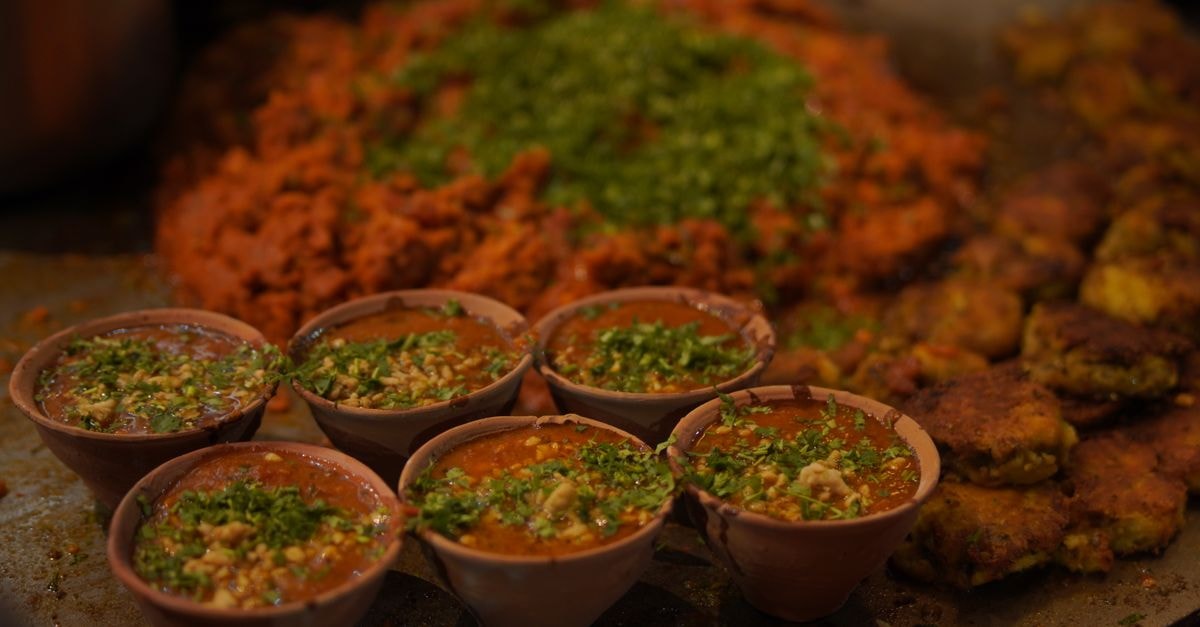
Rawalpindi sits as one of the older, lived-in cities of Pakistan, and its rhythm is part of what makes a visit here feel different from a stop in the country's purpose-built capital next door. The city is described in traveller references as a bustling town strategically located between Punjab and Azad Kashmir, and that geographic position shows up in its food, its dialects, and the way trade flows through its streets. Rawalpindi is also recognised as a historic city known for its Punjabi cuisine, for bustling markets like Raja Bazaar, and for the proximity of natural sites such as the Margalla Hills, which shape day-trip possibilities and the way locals talk about their surroundings.
For a first-time visitor, the city can feel layered and energetic: long bazaar streets, the constant hum of commuter life, and a connection to a wider cultural landscape that goes back generations. This guide keeps the focus on two of the most practical questions for any traveller here: what the weather tends to feel like, and how the city moves so you can plan your routes.
Weather and seasonal context
Weather shapes the pace of any Rawalpindi day, and the city has a generally dry feel for much of the year. Quick-reference climate data for Rawalpindi lists a mild-feel temperature range around 15° to 30°C, with humidity in the comfortable range and rainfall described as light. That kind of spread suggests mornings and evenings can feel distinctly cooler while the middle of the day warms up, so layering is sensible if you plan to move between air-conditioned indoor spaces and outdoor bazaars.
Seasonal planning references point to spring and autumn as the most comfortable windows for visiting, when temperatures are less intense. Cooler months, including November, are described as cool with highs of 25°C and lows of 8°C, which means early starts and late evenings can be brisk even when afternoons feel pleasant. Pack a light jacket or shawl for evening walks, and consider a sun hat and water bottle for midday time spent walking through open-air markets.
Because Rawalpindi sits close to the Margalla Hills and has a semi-arid climate feel for stretches of the year, sunshine can be strong. Sunscreen, sunglasses, and breaks in shaded teahouses or covered bazaars help if you are spending long stretches outdoors. If you prefer gentler conditions, indoor spots such as hotel lounges, museums, or shopping arcades offer a slower-paced alternative to a full day outside.
Getting around
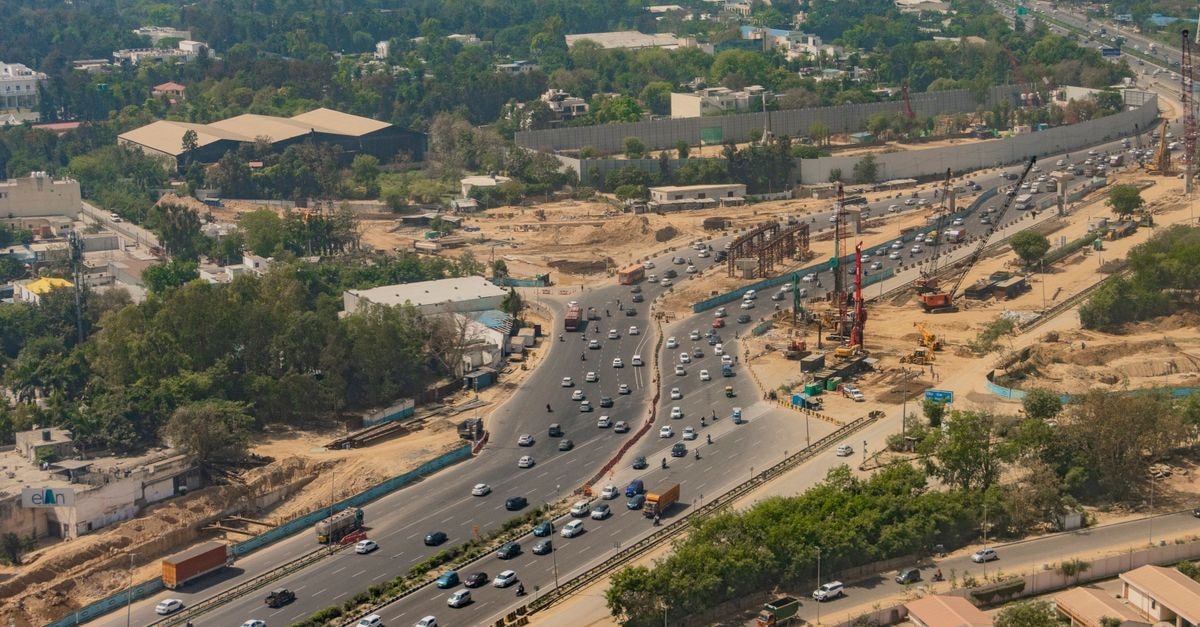
Rawalpindi is part of a wider metropolitan flow that links it with Islamabad, and movement between the two is a regular part of many visits. The city is recognised as a bustling town strategically located between Punjab and Azad Kashmir, which means major roads and transport corridors pass through it in every direction. Expect heavy commuter traffic during the morning and late-afternoon rush, and plan intercity transfers outside those peaks when possible.
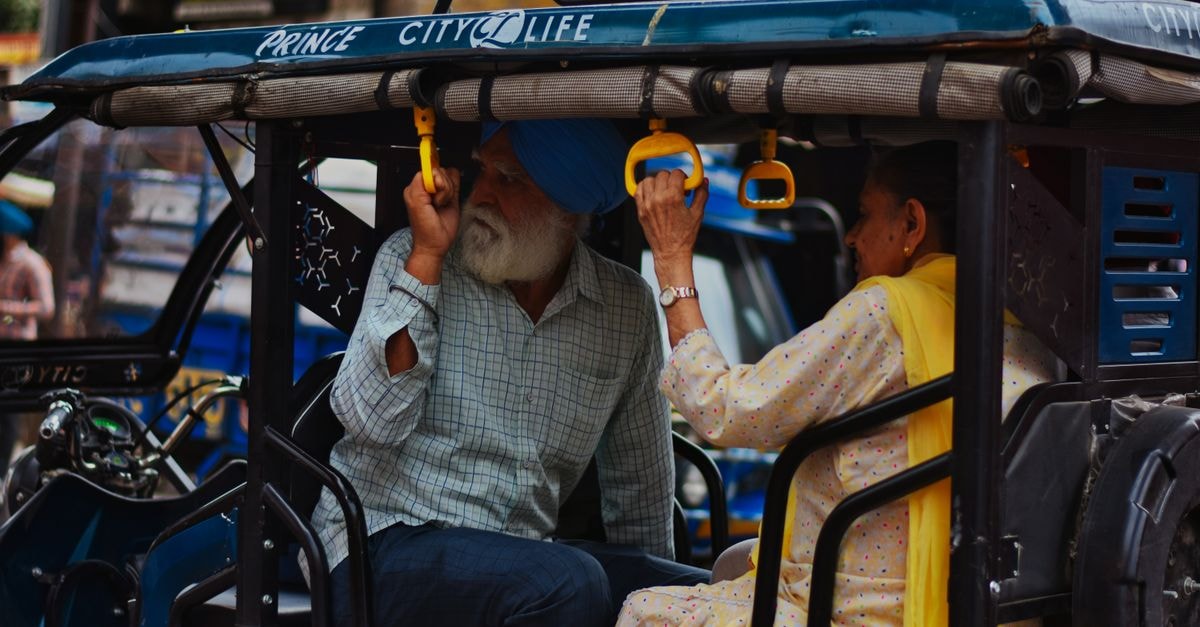
For local movement, taxis, ride-hailing apps, and traditional options such as rickshaws are part of the mix. Saddar is one of the better-known areas for staying and getting your bearings, and it is also where the Pearl Continental Rawalpindi is listed among top hotels in the area, giving travellers a central base near shops, restaurants, and transport links. Having a recognisable landmark hotel in Saddar can be useful when negotiating fares or giving directions, especially if you are new to the city.
Two destinations that show up in traveller listings and are worth factoring into a Rawalpindi plan are Butterfly Valley Golf & Country Club and Bahria Zoo. Both sit within the broader Rawalpindi travel footprint and offer a slower, greener break from busy bazaar streets. If you prefer a quieter afternoon or want to combine a stop with a meal in a planned complex, they can fit naturally into a day that also includes Saddar shopping. Travellers who dislike long walks in heat may want to arrange a car for these stops rather than relying on multiple short rides.
Cultural and creative events also come up in hotel and tourism listings, suggesting that visitors who time their stay around a local festival or arts event can engage more deeply with the city's scene. Treat any specific event timing as something to confirm closer to your visit, since listings vary by season and venue.
Choosing what fits your trip
Rawalpindi rewards travellers who like contrast: dense bazaar mornings, calmer hotel or hill-side afternoons, and cooler evenings for street food and conversation. If your priority is slow sightseeing with minimal walking in heat, anchor yourself in Saddar near the Pearl Continental Rawalpindi and arrange point-to-point transport to Butterfly Valley Golf & Country Club or Bahria Zoo rather than weaving between many small stops. If your priority is market culture and photography, plan bazaar time for the cooler parts of the day, save midday for a long lunch indoors, and return to Raja Bazaar and surrounding lanes when the light softens. Travellers sensitive to strong sun or temperature swings may want to pace the day around morning and late-afternoon outdoor time, with a shaded break in between. Always confirm operating hours, ticket details, and transport options through your hotel concierge or official sources before setting out, since conditions on the ground can change.
A note before you go
Travel conditions in Rawalpindi, like in any large South Asian city, can shift quickly. Weather patterns, roadworks, market hours, and event calendars are best confirmed through your accommodation, the relevant tourism office, or official channels shortly before your trip. Use this guide as a starting framework rather than a final itinerary, and build in flexibility for the unexpected — it is often those unplanned moments that end up defining a visit to Rawalpindi.
Share this article
TOOLS FOR THIS PLAN
Make the Rawalpindi plan measurable
Choose a tool only when it answers the next question in your trip. Your values stay in the browser, and each tool offers a route back to this planning context.