A breezy coastal base for slowing down

Rio das Ostras is a coastal town in Rio de Janeiro, Brazil, known for beaches, surf breaks and the relaxed rhythm that draws weekend visitors. It is the kind of destination where a day can remain refreshingly simple: spend the morning by the water, wander around the lagoon or harbor, then settle into grilled fish and a late-night boteco.
This guide focuses on what travelers can meaningfully plan around: the town’s beach-and-surf character, its lagoon and fishing-harbor setting, and its connection to Brazilian food culture. It may especially suit readers who prefer a coastal trip with space for spontaneous walks, fresh seafood and evenings centered on conversation rather than a tightly packed itinerary.
Beaches, surf breaks and unhurried coastal days
The clearest reason to visit Rio das Ostras is its combination of beaches and surf breaks. That makes the town appealing if your priority is time outdoors and a flexible routine rather than a checklist of major attractions. A morning can be shaped around the sea, with surf breaks providing a natural focal point for travelers interested in riding or watching the waves.
The coastal setting also supports a pleasantly easy pace. Rather than treating every hour as a scheduled excursion, consider choosing one part of the waterfront as your base and returning there between other small experiences. That approach may suit independent travelers who want to feel the place without moving constantly.
There is no need to overcomplicate the beach day. Bring what you need for a comfortable stretch by the water, spend some time observing the surf, and leave room for the weather and the tide to influence how long you stay. These practical suggestions are deliberately modest: Rio das Ostras is supported here as a coastal destination rather than as a town defined by a single marquee sight.
Lagoon walks and the fishing-harbor rhythm
Beyond the beach, Rio das Ostras offers lagoon walks and small fishing-harbor rhythms. These are valuable complementary experiences because they shift the focus from open coastline to a closer view of the town’s waterside life. If you prefer a walk with a gentler sense of place, the lagoon gives the visit another way to unfold beyond the surf.
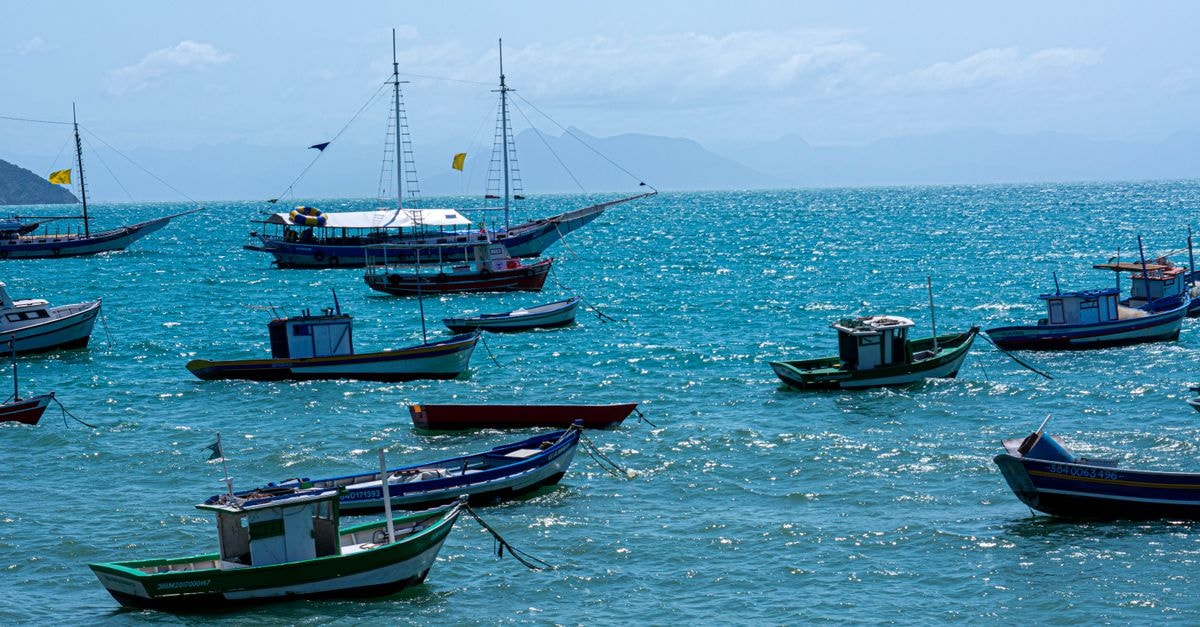
The fishing harbor adds a more human, working-waterfront dimension. It is not merely a backdrop for a photograph; it is part of the town’s identity, with the harbor and fishing culture helping explain why seafood and botecos are so closely associated with the experience of being here.
For readers planning a short, relaxed visit, these are useful ways to balance activity with stillness. Consider a lagoon walk when you want to see more of Rio das Ostras on foot, and spend time around the fishing harbor when you want the coast to feel connected to local life. The available evidence does not specify exact routes, accessibility conditions or tour arrangements, so the most sensible approach is to treat both as part of the place to explore rather than promise a marked path or organized activity.
Grilled fish, seafood kiosks and the boteco tradition
Food is one of Rio das Ostras’ most distinctive travel hooks. The town is particularly associated with weekend seafood kiosks, local grilled fish and late-night botecos. That combination gives visitors a clear and appealing choice: eat in the easy atmosphere of a seaside kiosk, choose grilled fish, or end the night with a boteco and its lively neighborhood setting.
The seafood kiosks are a natural fit for travelers who want to experience the coastal setting through its food. Grilled fish, meanwhile, offers a straightforward way to sample the local emphasis on seafood. Those who enjoy discovering meals through a casual counter, kiosk or stand-up setting may find this approach particularly well suited to the destination. If you prefer a more formal dining format, keep expectations grounded: the supplied evidence highlights kiosks and botecos rather than fine dining or a specific restaurant.
Botecos deserve their own place in the itinerary. They are associated with late evenings, local grilled fish and the social atmosphere that makes Rio das Ostras more than just a daytime beach stop. Rather than treating dinner as the only meal of the day, consider the boteco as part of the destination’s daily rhythm. It may suit travelers who value an unhurried meal, a lively table and time spent talking with friends or new companions.
Wider Brazilian food context
Rio das Ostras’ food story sits within a broader Brazilian culinary landscape described as a vibrant mix of tradition and innovation. That wider context helps explain why the local emphasis on grilled fish and seafood can feel both familiar and distinctive: visitors are encountering a regional seaside expression within a much larger national food culture.
One well-known example from Brazil is shrimp moqueca, a dish identified as a treasure of Bahian cuisine and popular across the country. It should not be treated as a Rio das Ostras specialty or assumed to be served by every local kiosk. Instead, consider it useful wider Brazil context: it illustrates the breadth of the country’s seafood cookery, where established regional traditions and evolving flavors coexist.
That balance between continuity and change is the most useful food insight for a visitor. You can expect the town’s grilled fish, seafood kiosks and botecos to anchor the experience, while recognizing that Brazilian food culture as a whole extends well beyond any single dish. If you prefer to choose meals by the atmosphere rather than by a formal checklist, the town offers several clear settings: a casual seafood kiosk, grilled fish, or a late-night boteco.
Choosing what fits your coastal trip
Rio das Ostras seems most suited to travelers who want the coast to shape the day. Beach time and surf breaks provide the core appeal for anyone drawn to the water, while lagoon walks and the fishing harbor suit readers who prefer exploration at an unhurried pace. The emphasis on seafood kiosks, grilled fish and late-night botecos works particularly well for travelers who consider food part of the experience rather than simply a break between attractions.
A different kind of visitor may also appreciate the town’s uncomplicated structure. If the appeal of a visit is a small number of memorable settings rather than a long list of landmarks, the evidence points toward beaches, the lagoon, the harbor and the evening food scene. By contrast, readers whose trip depends on a precise calendar of scheduled events or a fixed route would need details that are not established here. Keeping the focus on the town’s durable coastal rhythm makes planning more honest and the experience more flexible.
A final note before you go
Travel conditions and local arrangements can change, so check official channels for any current information that matters to your journey before departure. This guide is evergreen and does not prescribe a dated schedule, fixed prices, opening hours or a set itinerary; those details should be confirmed directly for the period of your visit.
Share this article
TOOLS FOR THIS PLAN
Make the Rio das Ostras plan measurable
Choose a tool only when it answers the next question in your trip. Your values stay in the browser, and each tool offers a route back to this planning context.