Slow travel on Uruguay's open coast

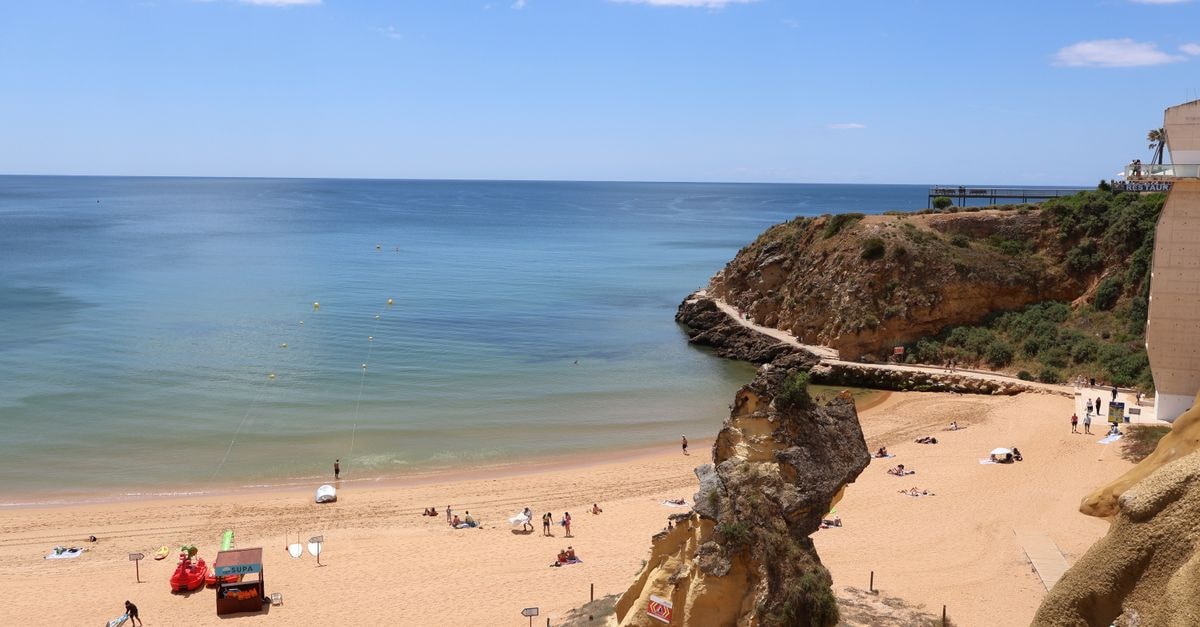
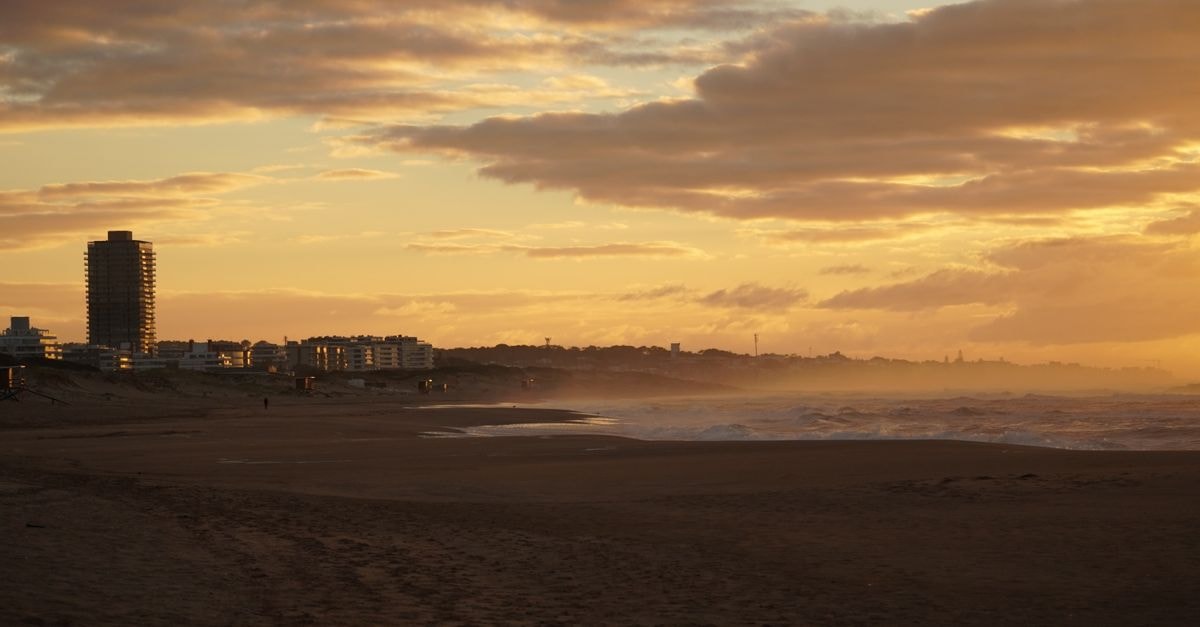
Rocha sits along Uruguay's eastern Atlantic coast, a department where long sandy stretches, low-key fishing villages, and rolling countryside shape the rhythm of the day. The capital city of Rocha functions less as a high-energy metropolis and more as a calm inland base, with the coast, palm groves, and small resort towns unfolding outward from it. Travelers who lean toward scenery, regional cooking, and the kind of unhurried pace that lets a place breathe tend to find their footing here quickly.
What follows is built directly from approved sources, so it focuses on the routes, cultural stops, year-round accommodation style, and food identity that the official Rocha materials actually describe. It does not invent restaurant rankings, ticket prices, or seasonal calendars. Where a detail is worth verifying before you book or go, that is noted plainly.
Getting around
Rocha is the kind of destination where your arrival route matters more than a complex local transit map. The department links inland Argentina and Uruguay to the Atlantic coast through a sequence of well-known national routes, and regional buses fill in the gaps once you are on the ground.
For travelers crossing by car from Buenos Aires, the documented route runs through Gualeguaychú, crosses the border into Fray Bentos, follows Route 3 to its intersection with Route 11, continues on Route 11 to Route 8, and then takes Route 9 toward Rocha. Drivers coming from Concordia instead cross into Salto, take Route 3 to its intersection with Route 11, and then follow Route 9 toward Rocha. Both directions lean on numbered national roads rather than highways, so allow generous time and plan fuel stops in advance.
If driving is not part of your plan, regional bus agencies serve the department. Rocha's tourism directory maintains a listing of transport companies that run routes through the area, which is the most reliable starting point for current schedules, fares, and boarding points. Once you are based in Rocha city, local transport between the capital and the coastal resort areas is part of that same regional network rather than a dedicated urban metro.
Travelers who prefer to keep things simple may find that arriving with a rental car or a planned intercity bus ticket, then settling into one base for the length of the stay, suits the geography better than constant transfers.
Attractions and planning
Rocha's cultural life is anchored in small museums and community centers that reflect local identity rather than blockbuster exhibits. The available sources describe museums and cultural centers in the department showcasing local history, maritime life, and regional heritage. These are the sort of compact, story-driven spaces where a couple of unhurried hours can give you a real sense of place, especially if maritime culture and working-coast traditions interest you.
Food and local context
Rocha's food identity is rooted in the surrounding landscape, from palm groves to the sea. The regional cooking story, as told by Sabores de Rocha, centers on the butiá fruit, a native palm fruit gathered from the Palmares de Rocha, alongside a strong fishing culture where artisanal shrimp fishing (the zafra de pesca de camarón) brings fishermen out at night under lights on the water. The framing is less about fine dining and more about landscape on a plate: ingredients that come from the specific ecosystem you are traveling through.
Recipes associated with the area include preparations such as the "bife ancho" prepared in the traditional countryside ("campo") style that restaurants in Rocha are known for serving, and desserts like a butiá-flour brownie made without gluten. The use of butiá flour in sweet baking is a particularly local touch, tied directly to the palm groves of the department.
In wider Uruguay, grilled meats and ranch-style cooking are part of the everyday food culture visitors may encounter in many regions. That broader context is worth knowing, but it should not be mistaken for a Rocha-specific signature; the actual Rocha-specific notes in the approved sources are butiá, the shrimp harvest, and the campo-style rib preparation.
Travelers with an interest in food origins may want to ask locally about seasonal butiá products and shrimp availability, since both are tied to natural cycles that the sources describe but do not calendar. If you follow a gluten-free or alternative-flour baking interest, the butiá-flour brownie is a concrete regional reference point to look for.
Choosing what fits your trip
Rocha rewards a particular kind of traveler. If your interest is in working-coast culture, palm-grove landscapes, and a regional pantry built around butiá and local shrimp, the food and museum offerings line up naturally. If you are arriving from Buenos Aires or Concordia by car, the route descriptions above give you a clear backbone, while bus travelers can use the tourism directory's transport list as their reference point. The trade-off is mostly about pace: Rocha is not built for tight, multi-stop itineraries, and visitors who treat it as a place to settle into one base for a stretch tend to get more out of it.
Before you go
Factual travel conditions can change. Routes, bus schedules, museum opening days, and accommodation availability shift over time, so confirm details through official tourism channels and transport operators before you travel. The approved sources for this guide cover routes, year-round accommodation types, museum and cultural-center themes, and regional food identity, but they do not include live timetables, prices, or a current events calendar.
Prices, opening hours, schedules, reservation rules, and local conditions can change; verify them through official channels before departure.
Share this article
TOOLS FOR THIS PLAN
Make the Rocha plan measurable
Choose a tool only when it answers the next question in your trip. Your values stay in the browser, and each tool offers a route back to this planning context.