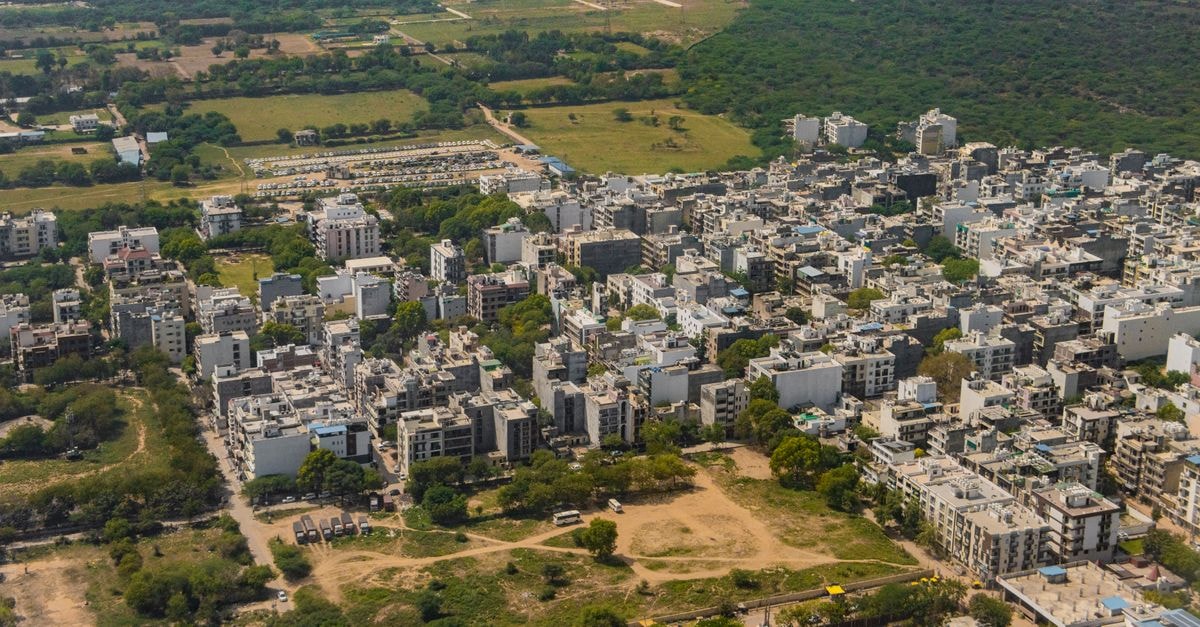
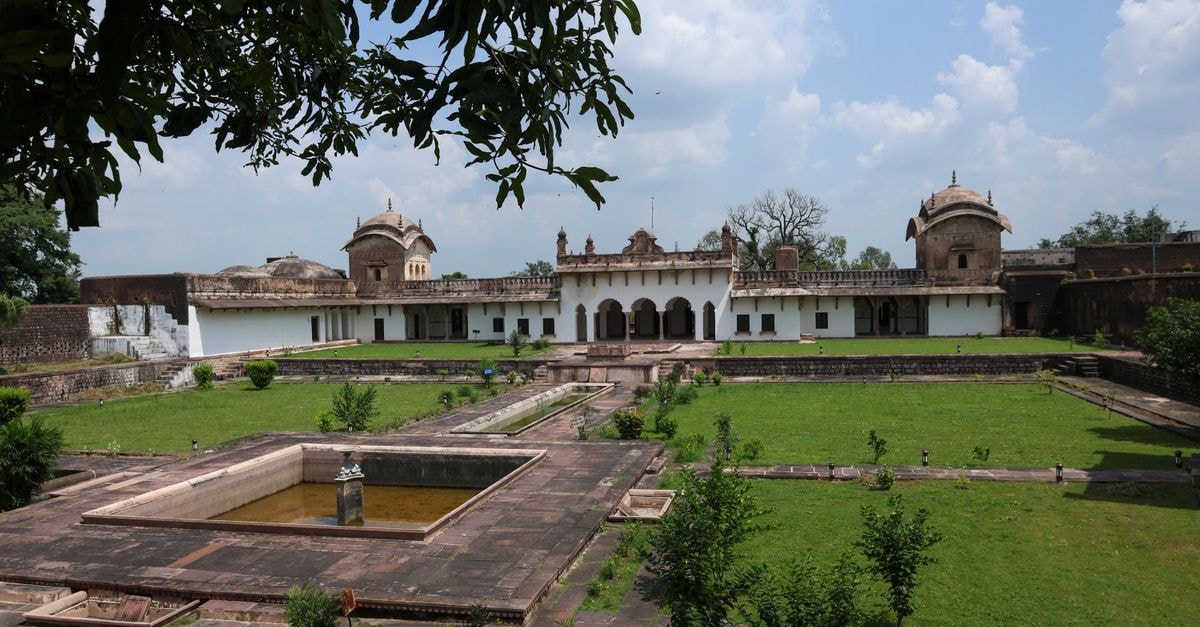
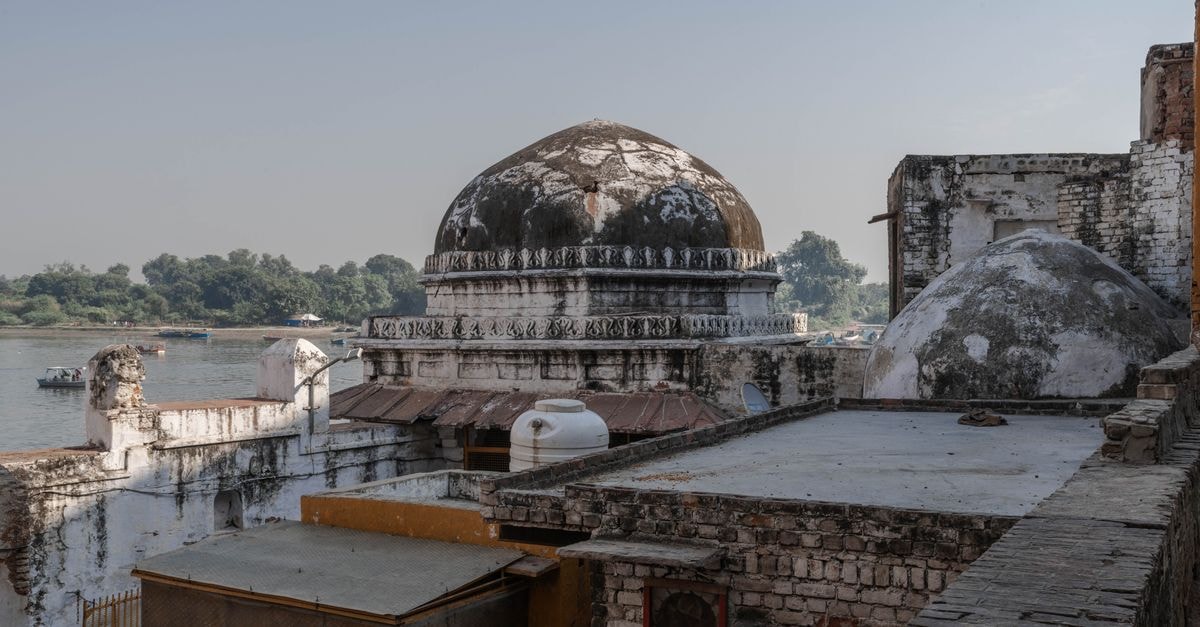
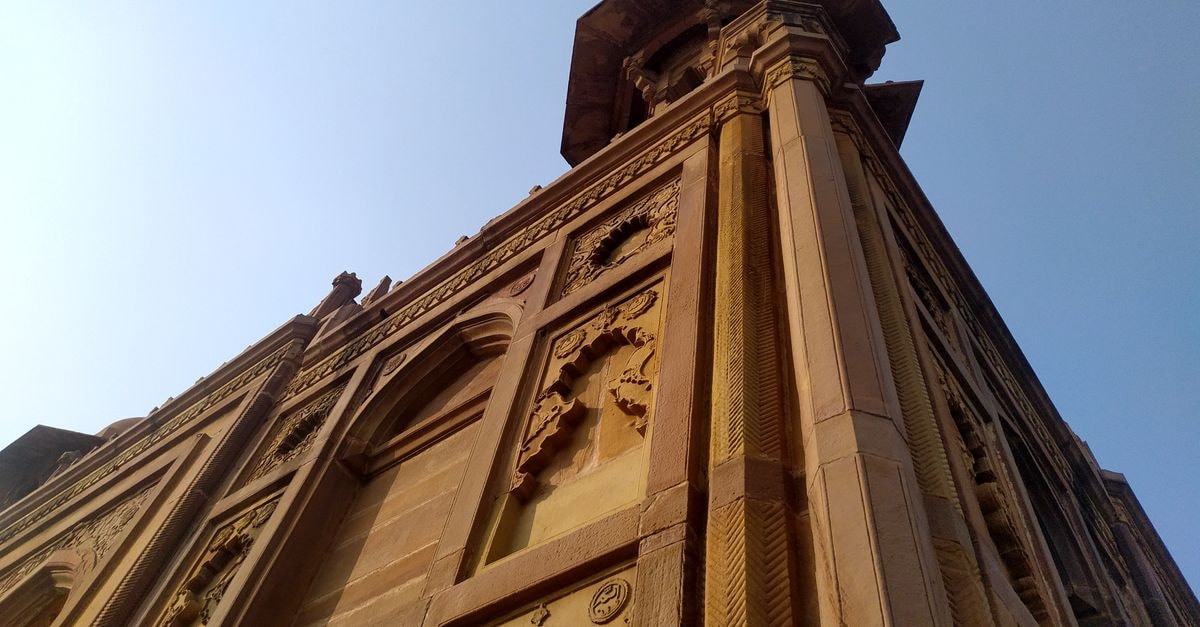
There is a particular kind of pleasure in arriving somewhere that hasn't quite been polished for visitors yet. Saharanpur, tucked into the northern edge of Uttar Pradesh, still feels like that. It is a working city with a long story rather than a curated stage set, and travelers who enjoy slow mornings, regional food scenes and the rhythm of everyday Indian streets tend to settle into its pace quickly.

If you are mapping out time in northern India and want a stop that feels lived-in rather than performative, this Saharanpur travel guide gathers the practical pieces worth knowing before you go: the airports that connect you to the wider region, the roads and rails that bring you into town, and a few honest notes about moving around once you have arrived.
Getting to Saharanpur by air
The airport at Dehra Dun is described as well-connected to major Indian cities, which is worth knowing if you are stitching Saharanpur into a wider north India itinerary that includes Delhi, Mumbai or other hubs. For travelers coming from further afield, the routing is naturally longer. From Australia, for instance, the shortest flight path begins in Perth and takes a substantial portion of a day, which gives a useful sense of the scale of the journey for visitors planning a long-haul trip that includes Saharanpur as a stop rather than a destination on its own.
Because no single airport serves Saharanpur directly, it helps to treat the flight leg and the ground transfer as one connected plan rather than two separate bookings, particularly if you are arriving late in the day or carrying heavier luggage.
Getting to Saharanpur by road and rail
The road and rail options into Saharanpur are part of what makes the city workable as a stop rather than a logistical puzzle. Saharanpur sits within the wider North Indian rail network, and trains connect it to many of the region's larger cities. The station is a useful reference point even if you are arriving by road, because much of the city is laid out around it.
If you are coming from Pantnagar or the Kumaon side, the road distance to Saharanpur is roughly 220 km. A common route runs via Haridwar, which is a reasonable way to break the journey and add a quick pause if the timing suits you. The train option from the Pantnagar or Rudrapur area to Saharanpur is another way to cover the same corridor, and rail is often the more comfortable choice for travelers who would rather not spend the full 220 km behind a steering wheel.
For travelers who like to mix modes, combining a flight into Dehra Dun with a short onward train or taxi hop into Saharanpur keeps the journey flexible. It also means you can keep your base in Saharanpur and use day trains or buses to reach nearby towns without having to repack every time you move.
Getting around the city
Once you are in Saharanpur itself, the rhythm is local. Cycle rickshaws, auto-rickshaws and shared taxis are the everyday ways residents move between neighborhoods, and they are usually the easiest options for visitors too. For longer hops, taxis can be hired for half-day or full-day use, which is a comfortable way to cover the city at your own pace without navigating the bus network.
It is worth knowing that the city's infrastructure is built around practical civic needs rather than tourist flows, and that shapes what you see on the ground. There is one sewage treatment plant in Saharanpur, and most of the city's wastewater is discharged into the Hindon river, which has further polluting effects. This is not a detail that will change your itinerary, but it is useful background for travelers who like to understand how a city actually works, and it gives a sense of why the river and its banks are a noticeable part of the local landscape.
Walking works well in the older central pockets of the city, especially in the cooler hours, and gives you the closest look at Saharanpur's everyday street life, from market stalls to small temples and old residential lanes. As in many North Indian cities, traffic can feel dense if you are not used to it, so giving yourself a little extra time between points always pays off.
Choosing what fits your trip
Saharanpur rewards travelers who are happy to read a city rather than tick off a checklist. If you prefer shorter travel days and a slower base, staying in town and using day trips by road or rail works well. If your priority is minimizing total travel time and you are stitching Saharanpur into a wider north India loop, flying into Dehra Dun and continuing overland keeps the routing efficient. Travelers sensitive to long bus journeys may prefer the train for the Pantnagar to Saharanpur corridor, while those who enjoy roadside stops and a more visual approach to the landscape may find the road via Haridwar more rewarding.
A note before you go
Details such as flight connections, train timings and local transport availability can shift over time, so it is worth double-checking current schedules and conditions through official channels before you set out. Live rates and prices may also differ from any reference figures mentioned in older guides, and treating those numbers as a starting point rather than a fixed quote will keep your planning realistic. Factual travel conditions can change, and a quick check before departure is always time well spent.
Share this article
TOOLS FOR THIS PLAN
Make the Saharanpur plan measurable
Choose a tool only when it answers the next question in your trip. Your values stay in the browser, and each tool offers a route back to this planning context.