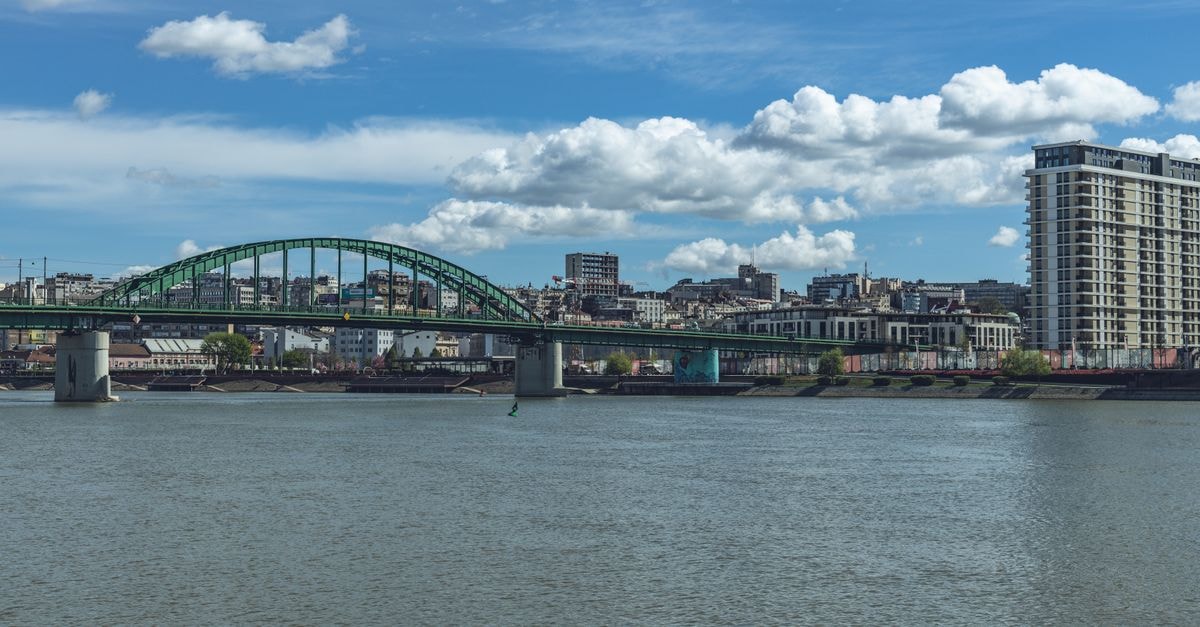
A port city with a working rhythm

Saint-Marc sits on the Caribbean coast within Haiti's Artibonite department, and the sea is never far from the conversation here. The city is known for its strategic port, which serves as a major entry point for goods into the country, and the waterfront sets the pace for daily life in a way that any traveler passing through will quickly notice. With a population of over 266,000, Saint-Marc is one of the larger urban centers in the region, and the energy that comes with that scale is part of its character. For visitors who like places shaped by trade, ships, and the meeting of salt air with market stalls, the city has a particular pull.
This is a guide for travelers who want to understand Saint-Marc on its own terms rather than as a waypoint. The focus is on what the city actually offers, the kind of experiences the port supports, and a few practical things to keep in mind as you plan.
Weather and seasonal context
Weather talk in Saint-Marc is best kept general, because the city has a coastal tropical climate and conditions can shift through the year. There is no supported month-specific weather data in the source material, so this guide keeps seasonal advice intentionally light. Travelers who prefer to avoid the heaviest rain windows might consider asking locally about the current stretch of weather before committing to a long day on the water, since conditions in the bay can change quickly and a calm morning can turn choppy by afternoon.
The broader context that does help is geographic. Saint-Marc is a prominent city in the Artibonite department, anchored to a working port that handles a meaningful share of goods moving into Haiti. The department also contains Gonaïves, the departmental capital, and the relationship between Saint-Marc and the wider department shapes much of what flows through the city's harbor. Knowing that Saint-Marc is one of the larger urban centers in the region, with a population of over 266,000, helps set expectations: this is not a sleepy backwater, but a city where commerce, fishing, and daily life all run through the waterfront.
A practical suggestion for travelers sensitive to heat and humidity is to plan outdoor time for the cooler parts of the day and to build in shaded breaks, especially if exploring on foot near the docks where reflected sun off the water can be intense.
Attractions and planning
The attraction landscape described in the source material is shaped around the water. Boat tours, kayaking, and canoeing are listed among the things to do in and around Saint-Marc, and that aligns naturally with what a port city offers. For travelers who enjoy getting out onto the bay rather than viewing it from the seawall, these water-based activities are the most concrete option the documented record supports.
A few considerations can help shape a satisfying visit:
- If you prefer slow, self-paced exploration, a kayak or canoe outing may suit you better than a larger boat tour, since you control the pace and can pause where the scenery or the light appeals to you. - If you would rather cover more ground and orient yourself to the coastline from the water, a boat tour gives a different perspective on the harbor and the city rising behind it. - For travelers who like to pair an activity with a sense of place, ask locally about where a route begins and ends; in a working port, the relationship between a tour dock and the surrounding streets is part of the experience.
One practical note worth raising here is that the documented record speaks to the existence of these water activities but does not confirm specific operators, departure points, schedules, or pricing. Before committing to a tour, it makes sense to verify the current details, including who is operating, where to meet, and what is included, so your plans match what is actually available on the day.
Choosing what fits the trip
Saint-Marc rewards a particular kind of traveler: someone drawn to working harbors, water-based activities, and cities where commerce is visible rather than hidden. If your idea of a good day is launching a kayak along a coastline that doubles as a shipping lane, or watching freight and fishing boats share the same stretch of water, the city has clear appeal. If you are looking for a dense checklist of indoor museums, ticketed monuments, or a polished resort base, the documented record is thin and you may want to temper expectations accordingly. The port city character is the headline, and shaping a short visit around that theme tends to work better than trying to force a different kind of trip onto it. Travelers who prefer slower, water-led days will likely get more out of Saint-Marc than those expecting a fast-paced urban itinerary.
A few final notes
Saint-Marc is a port city first, and that single fact does a lot of useful work for a traveler trying to imagine the place. The strategic port, the scale of over 266,000 residents, and the surrounding Artibonite context all point to a destination where the sea, trade, and daily life are visibly braided together. Water-based activities like boat tours, kayaking, and canoeing are the activities the source material directly supports, and they form a natural center of gravity for any visit.
A few things are worth checking before you travel, because the documented record does not cover them and they can shape a visit materially. Confirm the current state of any tour or water activity you plan to book, including who is operating and where to meet. Ask locally about road access, transportation into and out of the city, and any current guidance that affects movement around the harbor area. Factual conditions on the ground can shift, and official channels and local contacts are the most reliable source for the latest information before departure.
Share this article
TOOLS FOR THIS PLAN
Make the Saint-Marc plan measurable
Choose a tool only when it answers the next question in your trip. Your values stay in the browser, and each tool offers a route back to this planning context.