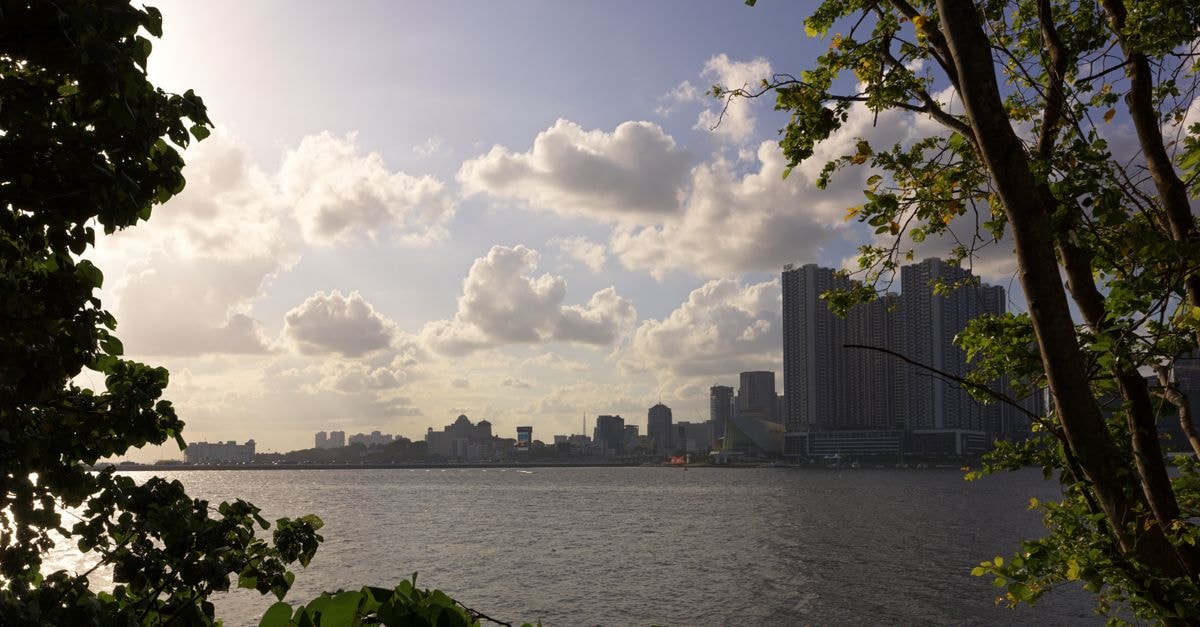
A first impression of Saipan

Saipan is the largest island in the Northern Mariana Islands, and it carries that title with a surprisingly relaxed rhythm. The first thing most travelers notice is the color of the water and the brightness of the sand: long, soft white-sand beaches with the kind of clear, shallow water that makes you stop walking for a moment just to look. The island's identity is built from a genuinely unusual blend of influences, where Pacific Island traditions sit alongside traces of other histories, and where locals often greet visitors with the kind of warmth that feels like the climate itself has been poured into a person.
That mix of beach time and cultural texture is what tends to hook first-time visitors. Saipan is not a place you simply pass through; it is a place you settle into. The pace is slower than many travelers expect from a tropical destination, the roads are easy to navigate on a small scale, and conversations tend to happen whether you planned them or not. For a thoughtful traveler who likes to understand the place they are standing in, Saipan offers a satisfying balance between nature, culture, and everyday local life.
The character of the islands
What makes Saipan feel distinct from other Pacific destinations is the way different cultures coexist on the same stretch of coast. The Marianas are often described as a unique melting pot of history, culture, and natural beauty, and Saipan is where that description becomes most visible. Chamorro and Carolinian cultures live alongside Eastern and Western influences, which means a single afternoon can carry the sound of one language at a market and another over a meal, with older traditions quietly present in the background rather than staged for visitors.
Weather and seasonal context
A few practical habits help. Pace outdoor sightseeing for the cooler morning hours, save the beach for the afternoon when the water looks most inviting, and build in breaks for shade, water, and a slower pace. Light rain showers are common and often pass quickly, so a small umbrella or a light rain layer in your day bag is more useful than a heavy jacket. The island's tourism materials often describe Saipan as a place of pure, fresh air and open skies, and most days live up to that framing, but a flexible attitude toward weather is part of any tropical trip.
Because specific conditions shift through the year, the smartest move is to check an updated forecast close to your travel dates. Treat any general climate note as background, not as a plan, and let the actual weather on the ground guide your daily rhythm.
Getting around
Saipan is the capital and largest island of the Northern Mariana Islands, which is useful context for understanding how easy it is to explore. The island is compact enough that distances feel manageable, and most of the places visitors want to see are reachable within a short drive of one another. That compact scale is part of what gives Saipan its relaxed feel: there is no need to rush between attractions, and the journey between two points is usually as pleasant as the destination.
Attractions and planning
A few planning habits tend to make the trip smoother. Group beach time for the parts of the day when light and water look best, leave room in the middle of the day for slower activities or a long lunch, and treat the island's cultural spaces with respect. Saipan is a place where different histories are layered into the landscape, and a quiet, attentive visit tends to mean more than a rushed checklist.
It also helps to leave parts of your itinerary open. Some of the best experiences on Saipan come from unplanned moments: a conversation with a local, a quiet beach you stumbled on, a sunset you did not expect. The island rewards travelers who arrive with a plan but stay flexible once they are on the ground.
How to make the most of the trip
The single most useful thing to know about Saipan is that it rewards a slower, more attentive style of travel. This is not a destination to sprint through. The beaches are beautiful, but the warm welcome from the people you meet along the way is what most travelers end up remembering most. Plan enough time to settle in, enough structure to feel oriented, and enough empty space to let the island reveal itself at its own pace.
A short, honest note before you go: practical details such as transportation options, entry requirements, and on-the-ground conditions can change, so it is always worth checking official and up-to-date sources close to your travel dates. Treat this guide as a feel for the place, and use current information to plan the specifics.
*Factual travel conditions can change. Always confirm current details through official channels before departure.*
Share this article
TOOLS FOR THIS PLAN
Make the Saipan plan measurable
Choose a tool only when it answers the next question in your trip. Your values stay in the browser, and each tool offers a route back to this planning context.