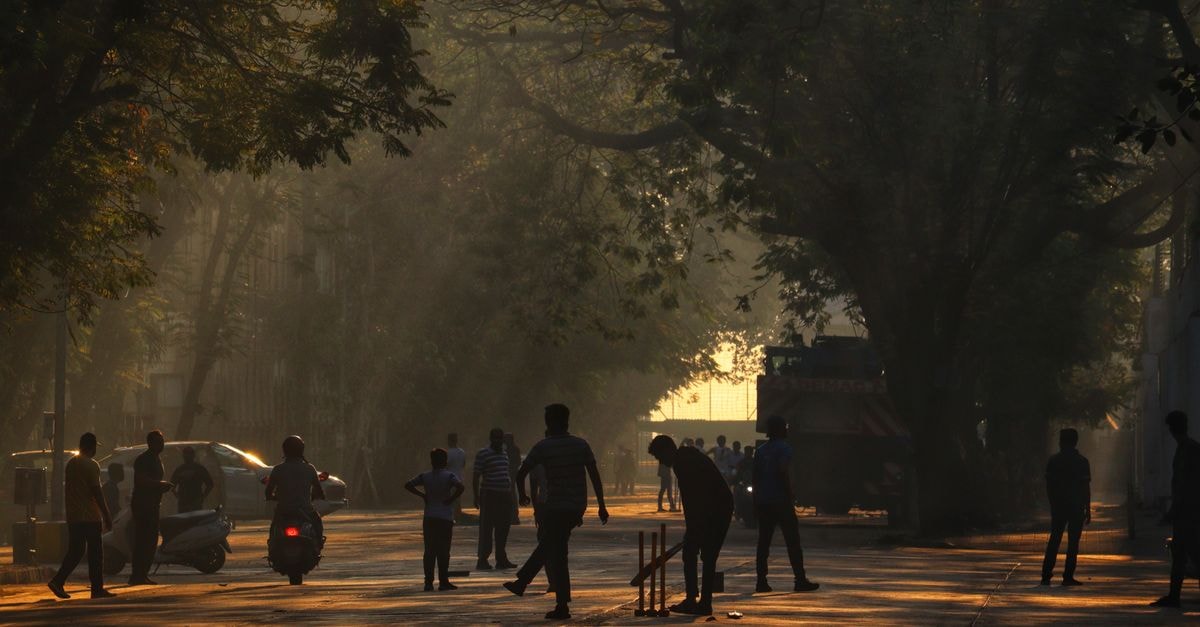
A first look at Sakai

There is a particular kind of traveller who lights up at the word "second city" — the one who suspects that the most interesting stories sit slightly off the main itinerary. Sakai, sitting just south of Osaka in the Kansai plain, has that feeling. It reads as a working city with deep roots: a place where centuries-old craft traditions still feed into everyday life, and where the pace feels a little gentler than the neon rush a short train ride away.
For visitors planning a Kansai trip, Sakai works beautifully as a slow half-day stop or an unhurried overnight base. It rewards a curious mindset more than a checklist. The themes below are the ones the available evidence can actually support: a sense of the local climate, one notable thread for sightseeing, and the food culture that quietly defines the city.
Weather and seasonal context
Any honest Sakai travel guide has to acknowledge that the city sits in a humid, temperate corner of Japan, where summers feel distinctly warm and sticky and winters stay mild. The local climate page lists the full month-by-month picture for visitors who want to match their wardrobe to the calendar.
Because this is an evergreen guide written without a confirmed forecast window, the safer approach is to plan for the rhythm of the year rather than a specific date. Think layers and breathable fabrics, a compact umbrella that fits in a daypack, and the kind of pacing that lets you linger in a garden rather than rush between sights. If you have flexibility on your travel dates, looking up Sakai's broader climate profile before you book will help you pick a week that matches your tolerance for humidity and rain.
One practical note: conditions on the ground can shift quickly in this part of Honshu, so check a live forecast close to your departure and treat any long-range suggestion as guidance rather than a promise.
Attractions and planning
Sakai is a city that rewards visitors who arrive curious about craft. Among the recommended sightseeing spots in the area, gardens stand out as a defining expression of local aesthetic sense — the kind of carefully composed outdoor space that asks you to slow down and look closely.
One specific note worth keeping in mind: at least one of Sakai's notable gardens was built using Japan's original technology for creating gardens. That single line carries a lot of weight. It points to a place where the design vocabulary you may have seen in Kyoto or Kanazawa has local ancestors, and where the conversation between rocks, water, and planted greenery is treated as a serious tradition rather than decoration.
For a short visit, the practical pattern is simple: pick one or two anchors — a garden, a museum, a historic quarter — and give them real time rather than trying to sprint across the city. Sakai is large enough that moving between districts eats into your day, so a focused plan usually beats an ambitious one. Public transport links the main areas, and walking between clustered sights is often the most rewarding way to absorb the neighbourhood feel.
A few evergreen courtesies help anywhere in Japan: take your shoes off when signs ask you to, speak softly in enclosed cultural spaces, and treat garden paths as one-way where indicated so everyone can enjoy the view.
Food and local context
Food is where Sakai's identity becomes most tangible, even before you sit down to eat. The city's official tourism material frames Sakai as a place defined by its food culture, and two threads run through that story.
The first is the knife. Sakai is known across Japan for its kitchen knives — the kind of blade that serious cooks reach for, and that turns a simple vegetable into something quietly beautiful on the plate. You don't have to be a chef to appreciate this. Even a short browse through a knife shop, watching the way light moves across a hand-finished edge, gives you a feel for the patience built into the city's craft tradition. It's the kind of detail that makes a meal later in the day taste slightly different, because you understand what went into the tools.
The second thread is dashi, the savoury broth that underpins much of Japanese cooking. Tourism material describes dashi as the origin point of Japanese food culture, the foundation on which countless dishes are built. Within wider Japanese cuisine, dashi is unique to Japan in the way it shapes flavour — quiet, umami-rich, and almost invisible in the best meals, because you taste the ingredient rather than the stock. In Sakai, that everyday foundation is taken seriously, and visitors who pay attention to a bowl of miso soup or a piece of simmered vegetable will be tasting a piece of the city's identity.
A practical mindset helps here. Approach Sakai's food scene through the lens of craft and ingredient quality rather than a hunt for a single signature dish. Sit at a counter if you can, order something simple, and notice the knife work and the broth. That is closer to the local experience than any list of "must-eat" items.
Putting it together
A relaxed Sakai day might look like this in shape, not in detail: a morning in a garden, a slow walk through a historic neighbourhood, a stop at a knife shop or craft studio, and an unhurried meal built around a bowl of something brothy and a few well-cut vegetables. None of that requires a strict timetable, and that's the point — Sakai rewards visitors who let the city set the pace.
Because this guide is built on a small but reliable evidence base, treat it as a starting framework rather than a finished itinerary. Specific opening hours, ticket prices, transport timetables, and reservation needs should be confirmed through official channels before you travel. Factual travel conditions can change, and the most current information will always come from local tourism offices, transport operators, and venue websites closer to your visit.
If you arrive with a flexible plan, an appetite for craft, and a willingness to notice the quiet details — the curve of a stone in a garden, the edge of a knife in a shop window, the depth of flavour in a simple bowl of broth — Sakai will give you a day that feels distinctly its own, even with Osaka's bright skyline waiting just up the line.
Share this article
TOOLS FOR THIS PLAN
Make the Sakai plan measurable
Choose a tool only when it answers the next question in your trip. Your values stay in the browser, and each tool offers a route back to this planning context.