A softer side of Arabia

There is something quietly surprising about Salalah. Tucked into the southern corner of Oman in the Dhofar Governorate, it reads at first glance like any other stretch of coastal Arabia, but the air, the light, and the rhythm of life bend in a direction few travelers expect. Visitors arriving here often find themselves slowing down without quite meaning to, drawn into long conversations over cardamom coffee and unhurried evenings along the corniche.
This guide leans into the practical: what the seasonal mood feels like, how to move around with minimal friction, and where the cultural heartbeat of the city lives. It is written as an evergreen companion, designed to help you read the place rather than rush through it.
Weather and seasonal context
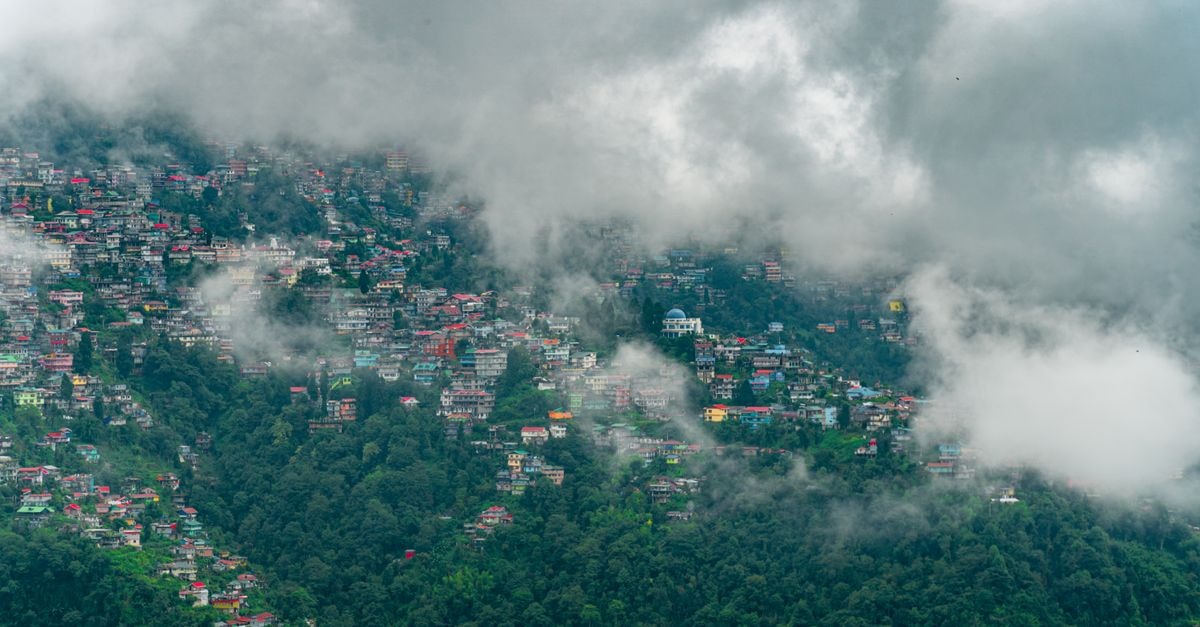
The defining feature of Salalah's calendar is the Khareef, a monsoon-influenced stretch that softens temperatures and nourishes the hills. The arid region is transformed into a vibrant green paradise during this window, and the visual shift is striking enough to change the mood of an entire trip. Hills that look bone-dry in summer photos turn a lush, mist-touched green, and the coastline takes on a fresher, cooler feel than the rest of the Arabian Peninsula.
For travelers, this means planning around a different rhythm than the rest of Oman. Mornings often start mild and slightly damp, with mist curling through the wadis and along the coast. Midday can feel humid and overcast rather than brutally hot, which encourages a slower pace and frequent pauses for tea or fresh juice. Evenings tend to settle into a pleasant coolness that invites long walks.
Treat the Khareef as a seasonal mood you can plan toward if your dates are flexible: layer light clothing, pack a light waterproof or quick-dry layer, and build your day around the cooler windows. If you are deciding between a peak-summer Gulf visit and a Salalah trip, the seasonal shift here is the single biggest reason most visitors time their arrival.
A few common questions come up for anyone considering this time of year: how crowded it gets, how the weather affects driving, and whether the usual outdoor itineraries still work. Honest answers tend to be reassuring rather than dramatic. The Khareef draws domestic and regional visitors, so hotels and tour packages book earlier than usual, and visibility on mountain roads can shift with the mist. Plan ahead for accommodation, allow extra driving time on wadi roads, and lean into indoor cultural stops on the foggiest mornings.
Getting around
Salalah is not a city that overwhelms visitors with transport options. Most travelers settle into a comfortable rhythm using a small toolkit: a rental car for independent exploration, taxis for short hops, and pre-arranged tour packages for the days when you simply want someone else to handle the driving and the planning.
Many hotels in and around the city offer tour packages that cover attractions, bundling transport, a guide, and the main stops into a single day or multi-day plan. For visitors who would rather not navigate wadi roads in the mist or read a map on unfamiliar roundabouts, these packages are often the most relaxed way to see the wider Dhofar region. They also tend to handle the cultural etiquette around visiting sites, which is a quiet bonus for first-time visitors.
For those who prefer independence, a rental car gives you the freedom to pause for photography, detour into a nearby village, or stay longer at a viewpoint. Taxis fill the gaps for evenings along the corniche, restaurant runs, and short trips inside the city. The combination of pre-booked day tours for the big sights and a rented vehicle or taxi for the in-between moments tends to suit most travel styles here.
One practical note: build buffer time into every journey. Mountain roads and coastal stretches can shift with weather, and the relaxed pace of the city tends to rub off on driving culture. If you plan your schedule with a little breathing room, the whole trip feels softer.
Attractions and planning
Salalah's cultural identity is unusually rich for a city its size, and a single thread ties many of its most resonant places together: frankincense. Salalah is the capital of the Dhofar Governorate and has historically been one of the few natural environments in which the frankincense tree (Boswellia sacra) is able to grow. That botanical fact has shaped trade routes, spiritual practice, and local livelihoods for thousands of years, and it still gives the city its distinctive scent and story.
The Museum of the Land of Frankincense is the most direct entry point into that story. It anchors the heritage district and explains how the resin was harvested, traded across the Arabian Sea, and woven into rituals from ancient temples to modern households. Allow real time here: the displays reward a slow walk, and the context makes every later stop in Dhofar more meaningful.
Beyond the museum, the city's other headline sites tend to combine natural beauty with cultural depth. Wadi excursions lead into the green hills that define the Khareef mood, coastal drives trace the frankincense trade route, and archaeological sites connect the present city to its long maritime history. Because so much of this is outdoor and seasonal, pair any heavy outdoor day with a lighter cultural stop the next morning: museum in the first hours, landscape once the mist lifts.
A few planning habits tend to serve visitors well. Confirm opening hours and any visitor protocols with your hotel or tour operator before you set out, since prayer times and Friday observance shape local schedules. Carry water and a light layer even in warmer spells, because humidity changes how the day feels. And leave at least one half-day unscheduled, so the city can show you something the guidebooks do not.
Final verification note
Conditions in Salalah shift with the season, and practical details such as transport availability, museum hours, and tour package inclusions can change. Treat the notes in this guide as a starting frame and confirm current arrangements through your hotel, a licensed tour operator, or official Oman tourism channels before you travel. A few minutes of verification before departure tends to save a lot of improvisation on the road.
Above all, give the city room to breathe. Salalah rewards travelers who arrive curious and leave unhurried, with a working knowledge of the Khareef mood, a clear sense of how to move around, and a deeper appreciation for the frankincense story that runs through every corner of the place.
Prices, opening hours, schedules, reservation rules, and local conditions can change; verify them through official channels before departure.
Share this article
TOOLS FOR THIS PLAN
Make the Salalah plan measurable
Choose a tool only when it answers the next question in your trip. Your values stay in the browser, and each tool offers a route back to this planning context.