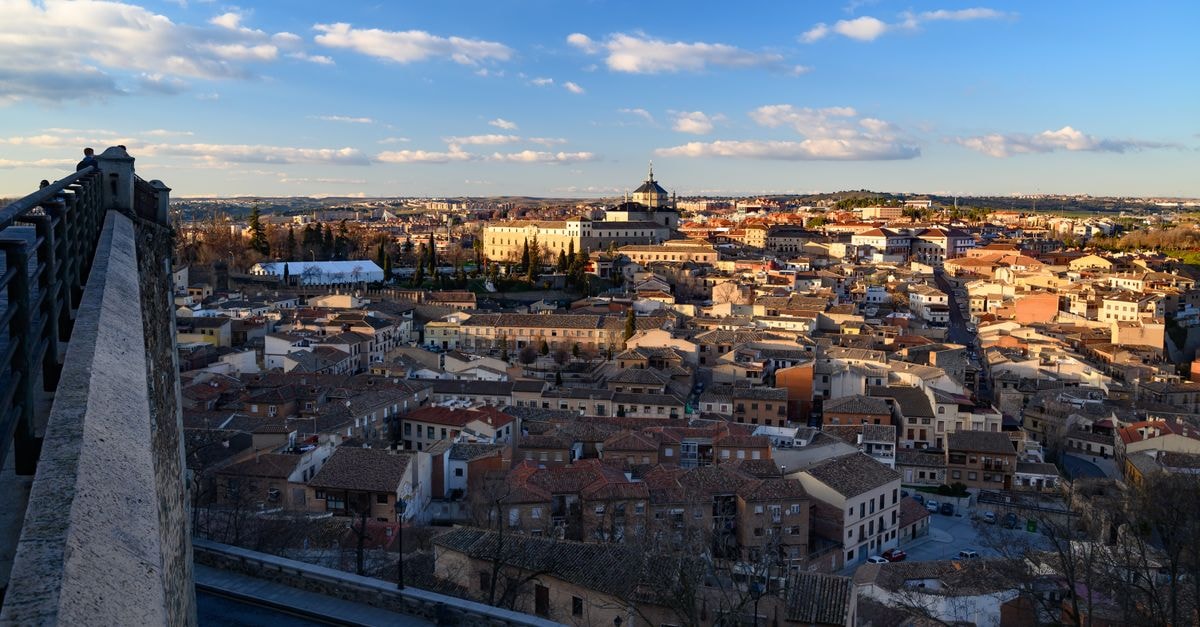
A First Look at Salamanca

Tucked into the western reaches of Castile-and-León, about 214 km from Madrid, Salamanca has the kind of skyline that tends to stop visitors in their tracks before they have even unpacked. Honey-colored sandstone buildings rise around sweeping plazas, and the whole ensemble has earned the city a World Heritage Site designation from UNESCO, alongside recognition as a European Capital of Culture. The official tourism portal describes the experience with a wink: if this is your first time here, prepare to be amazed; if you have been before, prepare to be amazed again. That sense of discovery is the thread that ties together any visit, whether you arrive for a weekend or settle in for a longer stay.
Weather and Seasonal Context
Salamanca sits on the western Spanish meseta, and the climate has the open, sun-soaked character typical of the Castilian interior. Because the city's weather can swing between bright, dry days and cooler evenings, a layered approach to dressing tends to be more useful than a single forecast-driven outfit. Mornings often invite a slow coffee in the open air, while afternoons can feel warm enough to drift between shaded arcades, and the light has a particular softness that lingers over the sandstone long after the day cools.
The official portal frames Salamanca as a place whose visual drama is matched by its atmosphere: visitors are encouraged to prepare for the experience, regardless of how many times they have walked these streets before. Practical information for travelers is centralized on the city's tourism portal, which is a sensible first stop for up-to-date guidance on what to expect during your particular dates. Pacing your day around the rhythm of the light, rather than a packed schedule, tends to suit the city well.
Getting Around
Salamanca's historic core is compact, and many of the most photographed corners sit within easy walking distance of one another. That compactness is part of the appeal, allowing visitors to wander between plazas, university facades, and tucked-away cloisters without ever feeling rushed. For longer distances within the city, or for trips in and out of the center, the local public transport network, run by Salamanca de Transportes, is the natural option. The operator has noted that it receives support from NextGenerationEU funds, resources intended to strengthen and modernize the service for residents and visitors alike. Those investments point to a network that is continuing to evolve, so checking the operator's current information before relying on a specific line or timetable is a sensible habit.
Because the old town is largely pedestrian in feel, comfortable shoes and a general sense of direction tend to matter more than any transit pass. Allowing time to drift, double back, and pause on a sunlit corner is, in many ways, how the city is best experienced.
Attractions and Planning
Salamanca's architectural heritage is the headline act, and the official tourism portal offers a thoughtful way into it through Monumenta Salmanticae. Presented as a tour of the city's architectural and urban cultural heritage, the experience is housed in the San Millán Church, a venue in its own right. What makes the project distinctive is its use of virtual recreations, computer graphics, and other audiovisual elements to bring almost 140 buildings and squares to life. It is a useful starting point for visitors who want context before wandering out into the streets, and a satisfying bookend for those returning at the end of a trip to compare what they have seen with the broader urban story.
From there, the city unfolds on foot. The compact historic center rewards unhurried exploration, and the interplay between the university tradition, the religious architecture, and the everyday life of the plazas gives Salamanca a layered character that resists a checklist. A loose plan, anchored by a visit to Monumenta Salmanticae and a willingness to follow the light, tends to serve most travelers well. Booking details, opening windows, and any timed-entry requirements for specific monuments are best confirmed directly with the relevant venue or the official tourism portal, since these can shift over time.
A Note on Planning and Verification
Salamanca is the sort of city that rewards travelers who do a little homework and then leave room for the unexpected. The official tourism portal is the most reliable starting point for current practical information, and the local transport operator can speak to the latest on bus routes and schedules. Factual travel conditions can change, so official channels should be checked before departure and again closer to your visit. With those small steps in place, the rest is simple: walk slowly, look up often, and let the sandstone do the rest.
Share this article
TOOLS FOR THIS PLAN
Make the Salamanca plan measurable
Choose a tool only when it answers the next question in your trip. Your values stay in the browser, and each tool offers a route back to this planning context.