A first impression of Salgótarján

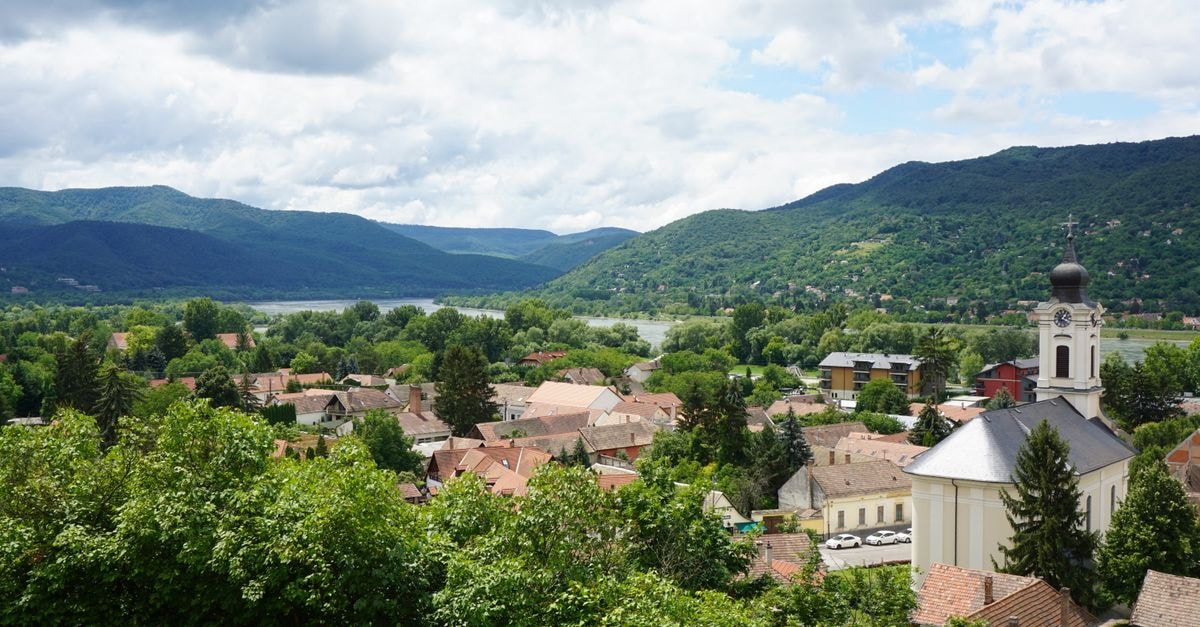
Tucked into the wooded folds of Nógrád County in northern Hungary, Salgótarján carries the layered character of a town that grew up around its working past. It began as a small thirteenth‑century settlement near a castle and later expanded into a key mining center during the Austro‑Hungarian Empire thanks to its rich coal deposits. Today the city reads as a quiet regional capital surrounded by forested hills, the kind of place where the rhythm slows between castle views and unhurried café moments.
Weather and seasonal context
Salgótarján sits in a part of Hungary where winter days can feel genuinely brisk, with January daytime temperatures reaching only around 1 °C (35 °F) and nights averaging roughly −5 °C (23 °F). Because the city is set among hills and a fair distance from the moderating effect of large bodies of water, cold snaps can linger and a warm coat tends to be a sensible companion through the chillier months. Visitors who plan to spend time outdoors, especially around hilltop sites where wind sweeps across open ground, may want to layer up and pace the day with warm-up breaks. Outside winter, the surrounding hills and forest give the city a distinctly fresh-air feel that rewards travelers who prefer crisp, green landscapes over crowded plazas. If you are sensitive to cold, consider timing any outdoor visits to the warmer parts of the day and building in time indoors for rest and a hot drink.
Getting around
Rail is the simplest way to arrive, because the city is only accessible by train from Hatvan. That single rail link shapes how most independent travelers approach Salgótarján: it tends to work best as a planned stop on a wider Hungarian rail itinerary, with connections timed in advance rather than improvised on the spot. Once in the city, the compact central area makes short walks between the downtown and nearby sights easy, though anything up into the surrounding hills will feel more like a deliberate excursion than a casual stroll. Travelers who prefer not to rely on taxis or local buses for every move may appreciate packing comfortable walking shoes and treating Salgótarján as a slow, grounded base rather than a transit hub.
Attractions and planning
The headline sight is Salgó Castle, also known as Salgóvár, a captivating historical site perched atop the scenic hills of Nógrád County in Hungary. The climb rewards visitors with sweeping views across the forested ridges and a tangible sense of the region's medieval past, since the castle's hilltop position was once a strategic advantage in this part of the country. Because the site sits on elevated ground and involves a walk up through woodland, those who prefer to limit stair climbing may want to take the ascent at a comfortable pace, pause on the way up, and save energy for exploring the ruins once they arrive. Travelers with a strong interest in layered history will likely get the most out of a visit that pairs the castle with a slower wander through the older parts of town, where the city's coal‑era and Austro‑Hungarian heritage still leave a trace in streetscapes and civic buildings.
Food and local context
Hungary has a deeply rooted café and pastry culture, and visitors to Salgótarján will recognize familiar patterns: a morning coffee paired with a flaky pastry, long afternoons over a slice of cake, and hearty traditional plates built around meat, paprika, dumplings, and soups. This wider Hungarian context is the kind of everyday food rhythm a traveler is likely to encounter while spending time in the city, even though the local dining scene will have its own regional character shaped by the northern, hilly terrain and industrial‑era working‑class roots. Travelers who enjoy exploring everyday food culture may appreciate budgeting time to wander past market buildings and small eateries in the center, where daily Hungarian staples tend to be served in generous, unfussy portions. As a practical note, if you have specific dietary needs, it can help to learn a few key food words in Hungarian, since menus in smaller northern towns are not always translated.
Choosing what fits the trip
Salgótarján suits travelers who are drawn to layered industrial and medieval history rather than polished, big-city sightseeing, and who enjoy pairing a single dramatic hilltop ruin with slower days in a forested regional capital. It tends to work best as a deliberately planned stop on a rail route through northern Hungary, especially for visitors who prefer a quieter base over a busy tourist town. Because the city's rail access runs only through Hatvan and the castle climb involves an uphill walk, travelers who dislike transfer-heavy journeys or steep ascents may want to weigh those tradeoffs before committing. For those who appreciate atmospheric ruins, regional Hungarian food culture, and a genuinely unhurried pace, the city's combination of history and landscape tends to feel rewarding rather than sparse.
A few notes before you go
Before traveling, it is worth confirming current train times from Hatvan, opening hours for Salgó Castle, and the season's weather expectations through official Hungarian transport and tourism channels, since conditions and schedules can change. Rates for any purchases made in forints should be treated as a reference only, and travelers should check the live exchange rate before exchanging money. Factual travel conditions can shift over time, so a quick check close to your departure date helps the trip run smoothly.
Prices, opening hours, schedules, reservation rules, and local conditions can change; verify them through official channels before departure.
Share this article
TOOLS FOR THIS PLAN
Make the Salgotarjan plan measurable
Choose a tool only when it answers the next question in your trip. Your values stay in the browser, and each tool offers a route back to this planning context.